ARATOR.
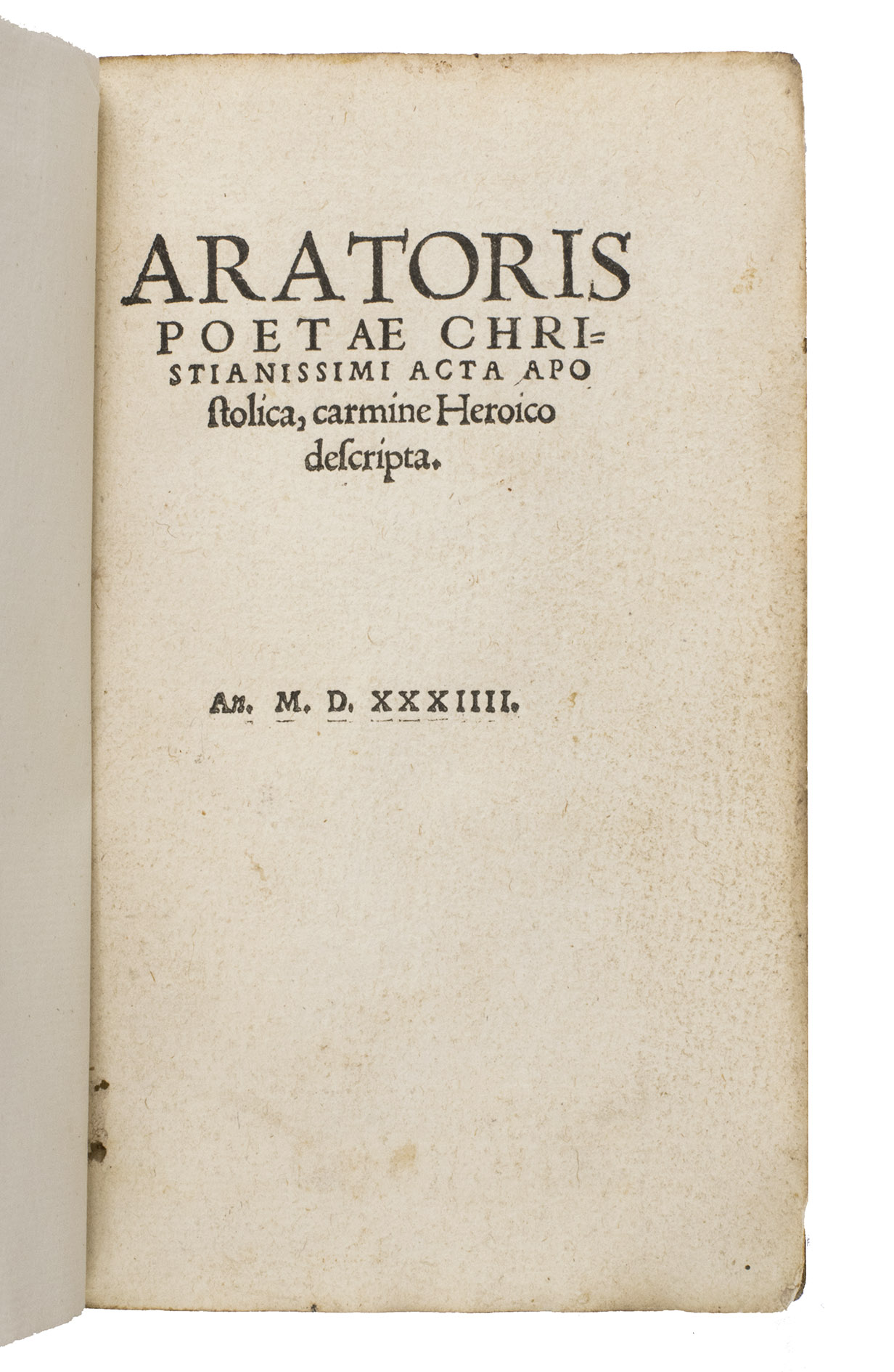
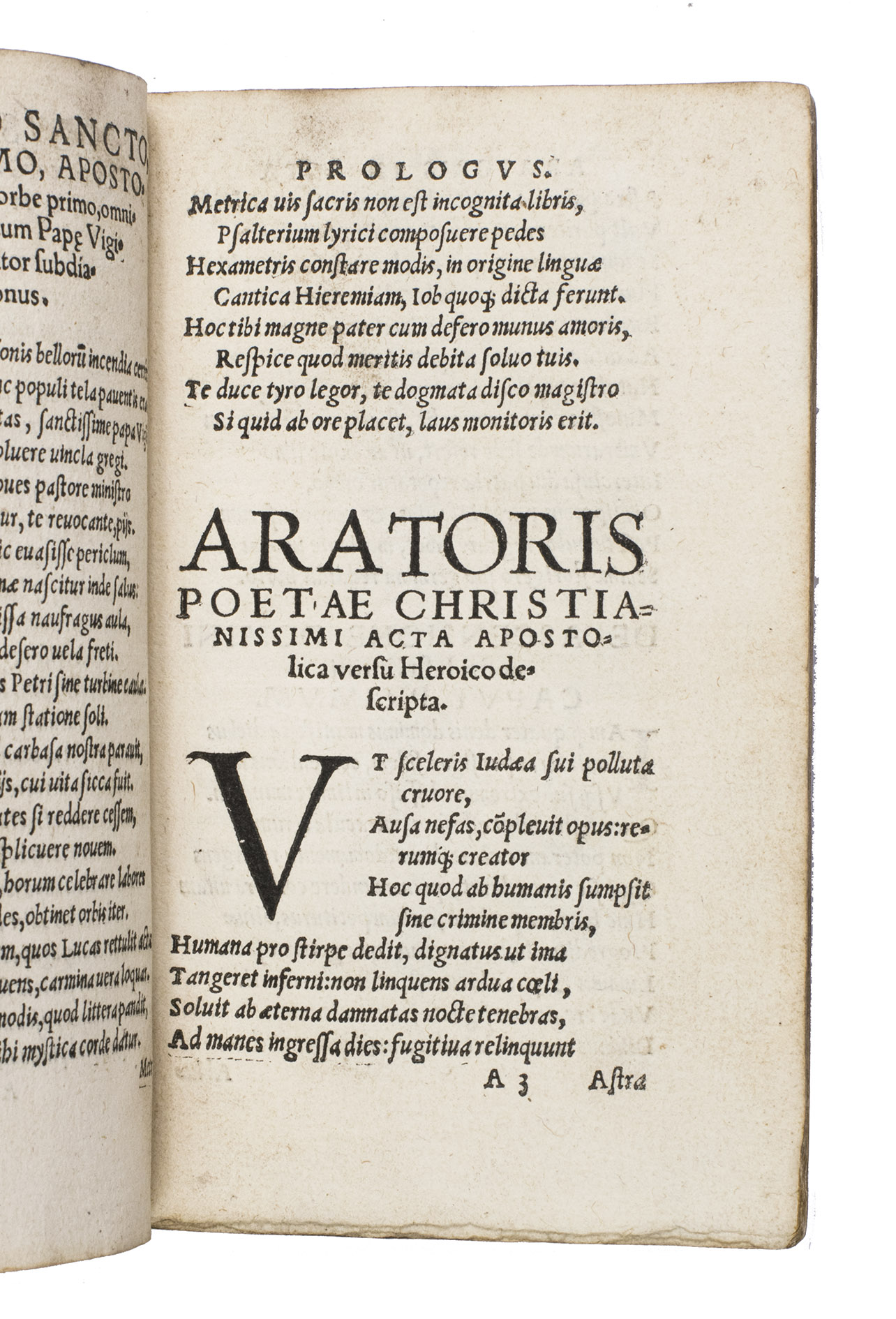
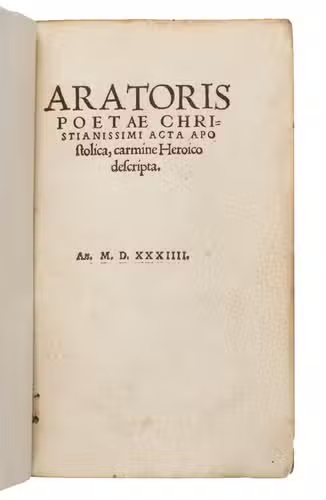
Acta apostolica, carmine heroico descripta.
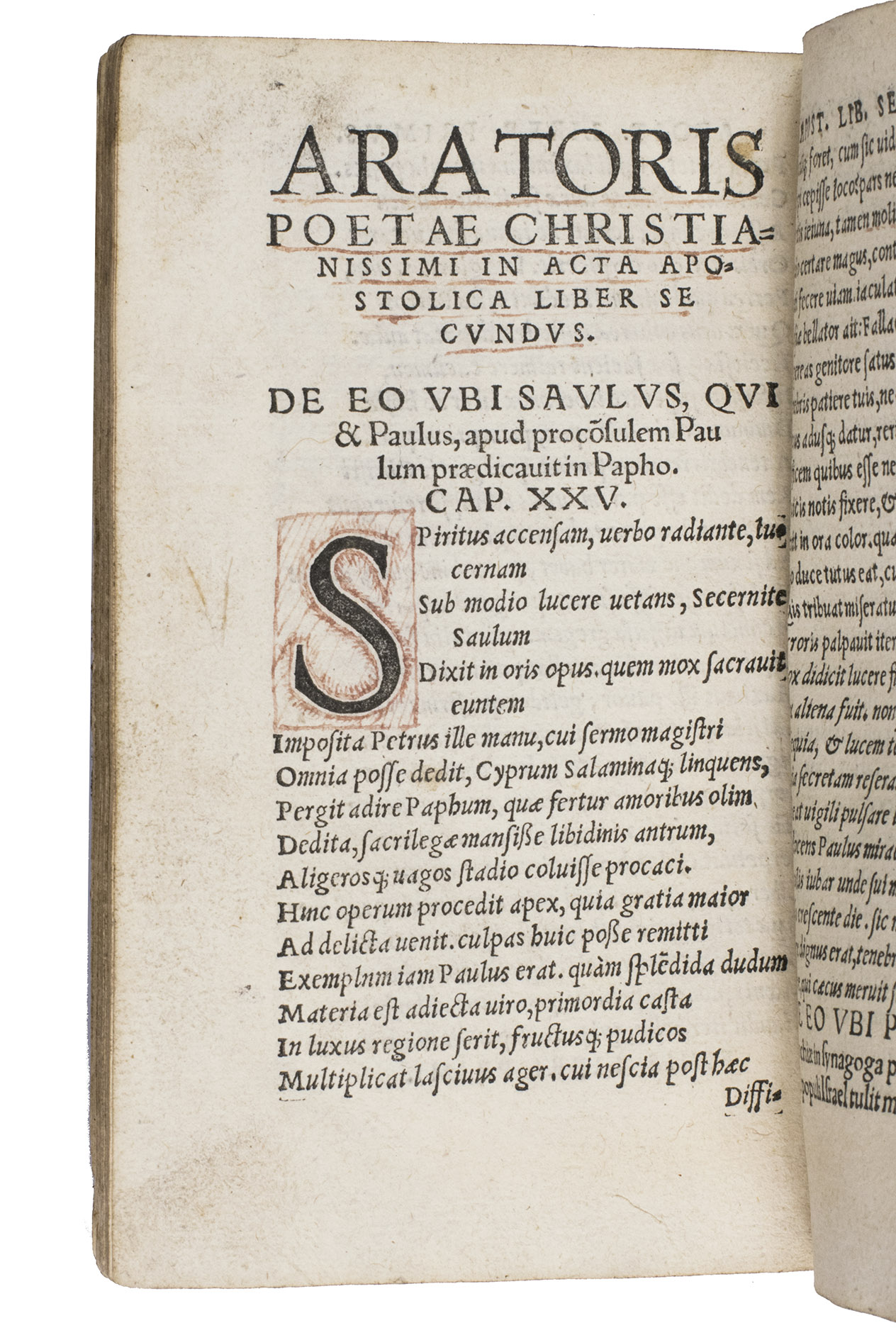
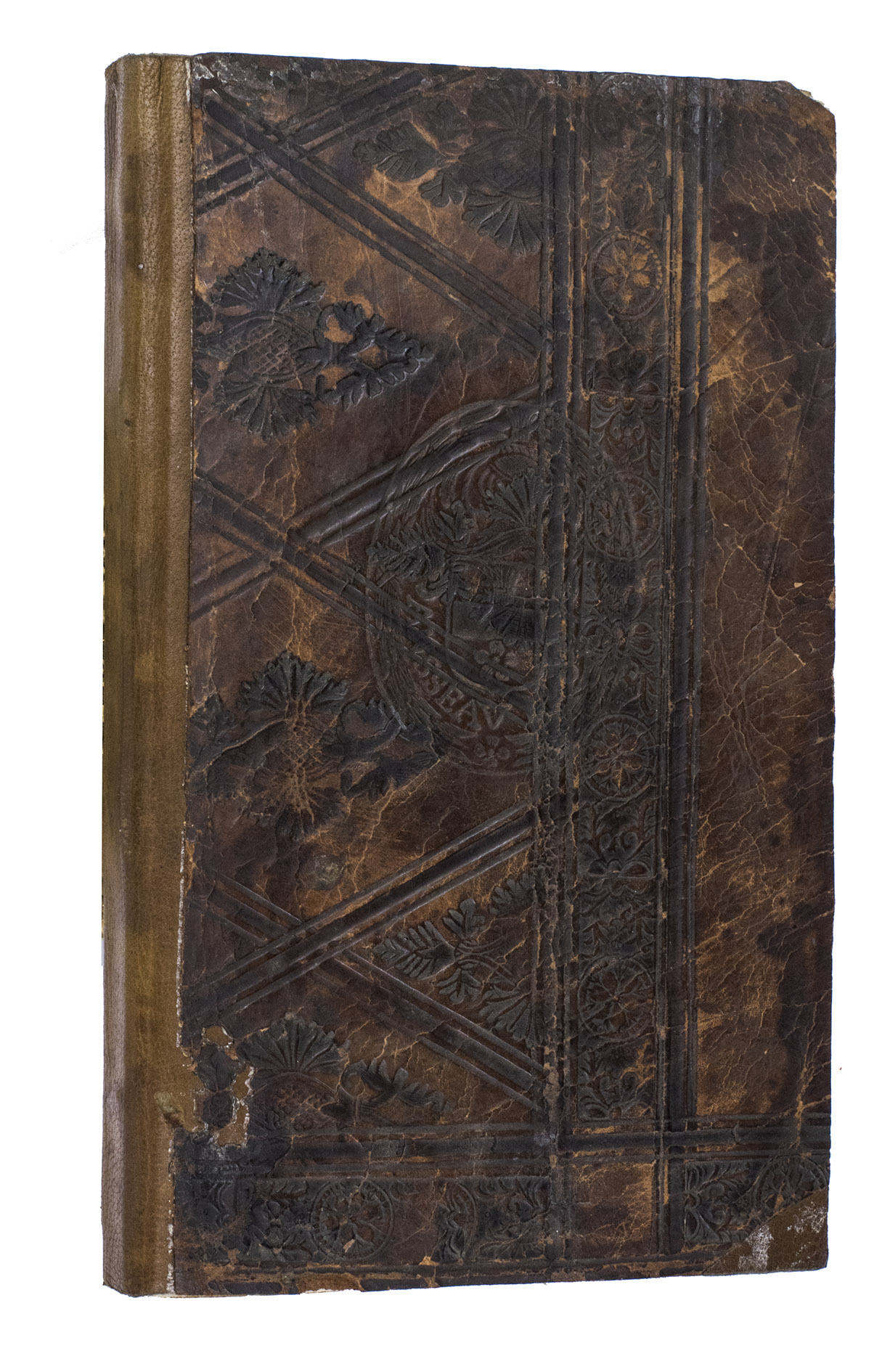
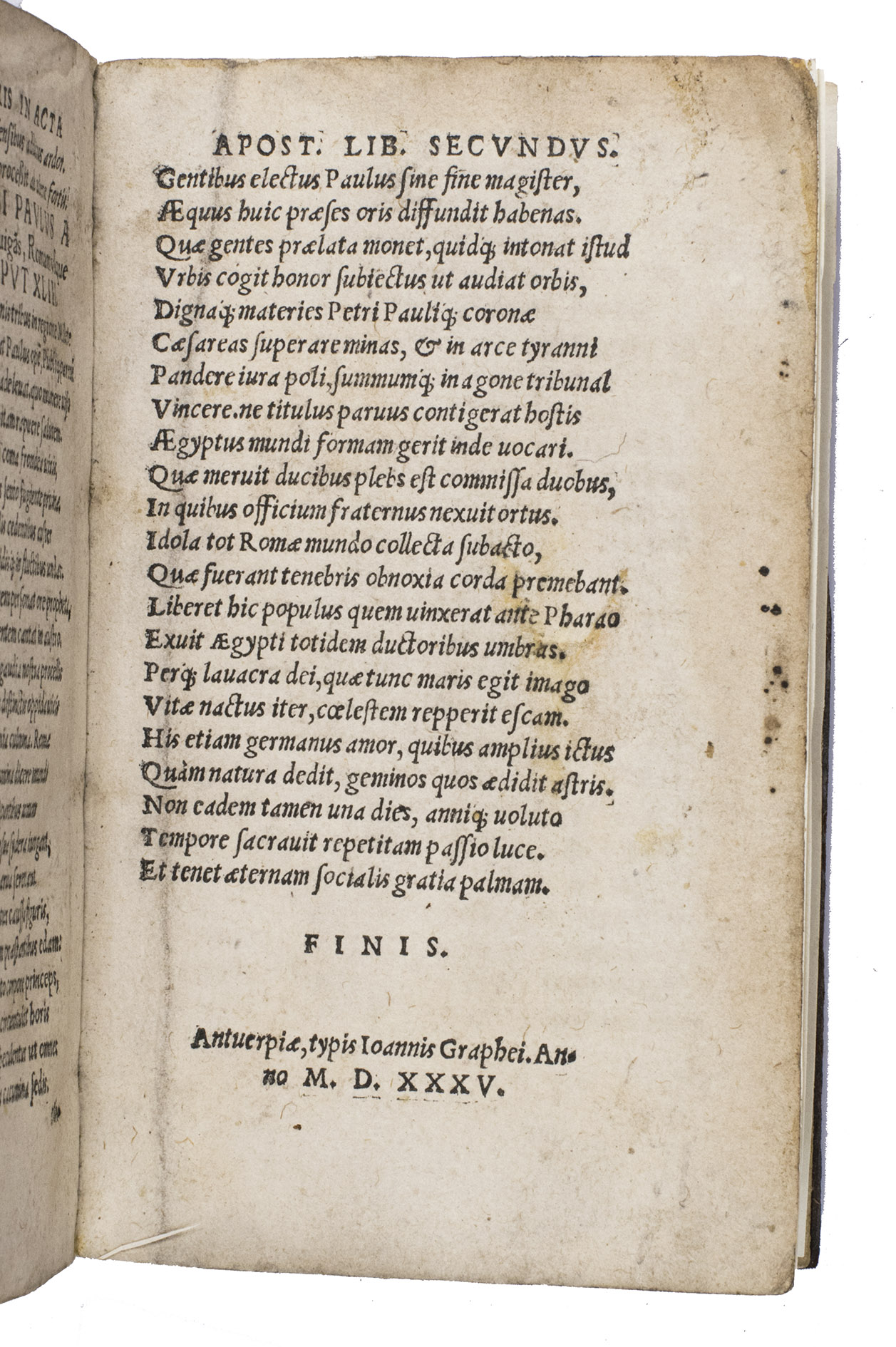
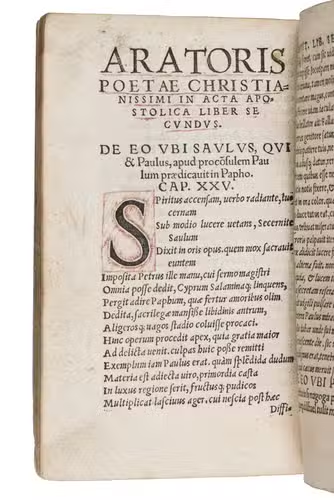
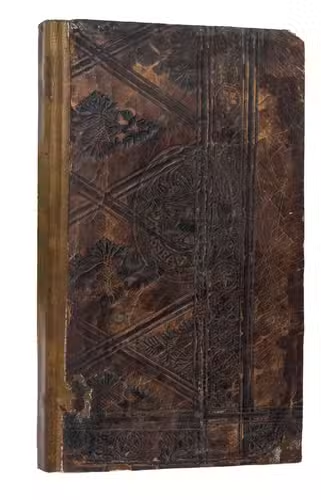
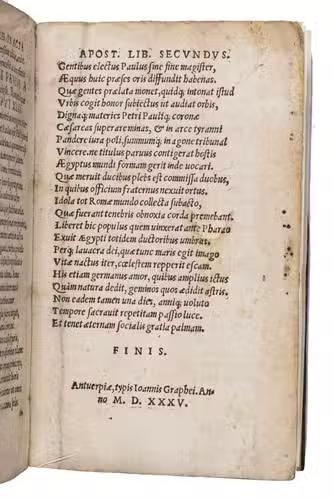
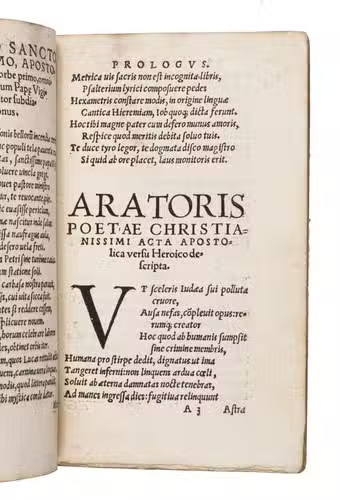
(Colophon: Antwerp, Joannes Grapheus), 1534 (impressum: 1535). 8vo (15.2 x 9.7 cm). With the title on the verso of leaf 24 underlined in red ink and the accompanying initial also coloured in red. Modern half brown calf. [48] ll.
€ 1,250
First and only 16th-century edition of the most celebrated work of Arator (ca. 490-after 544), a 6th-century Christian poet and subdeacon of Rome. De Actibus Apostolorum, written in Latin verse, stands as a remarkable example of early Christian literary culture.
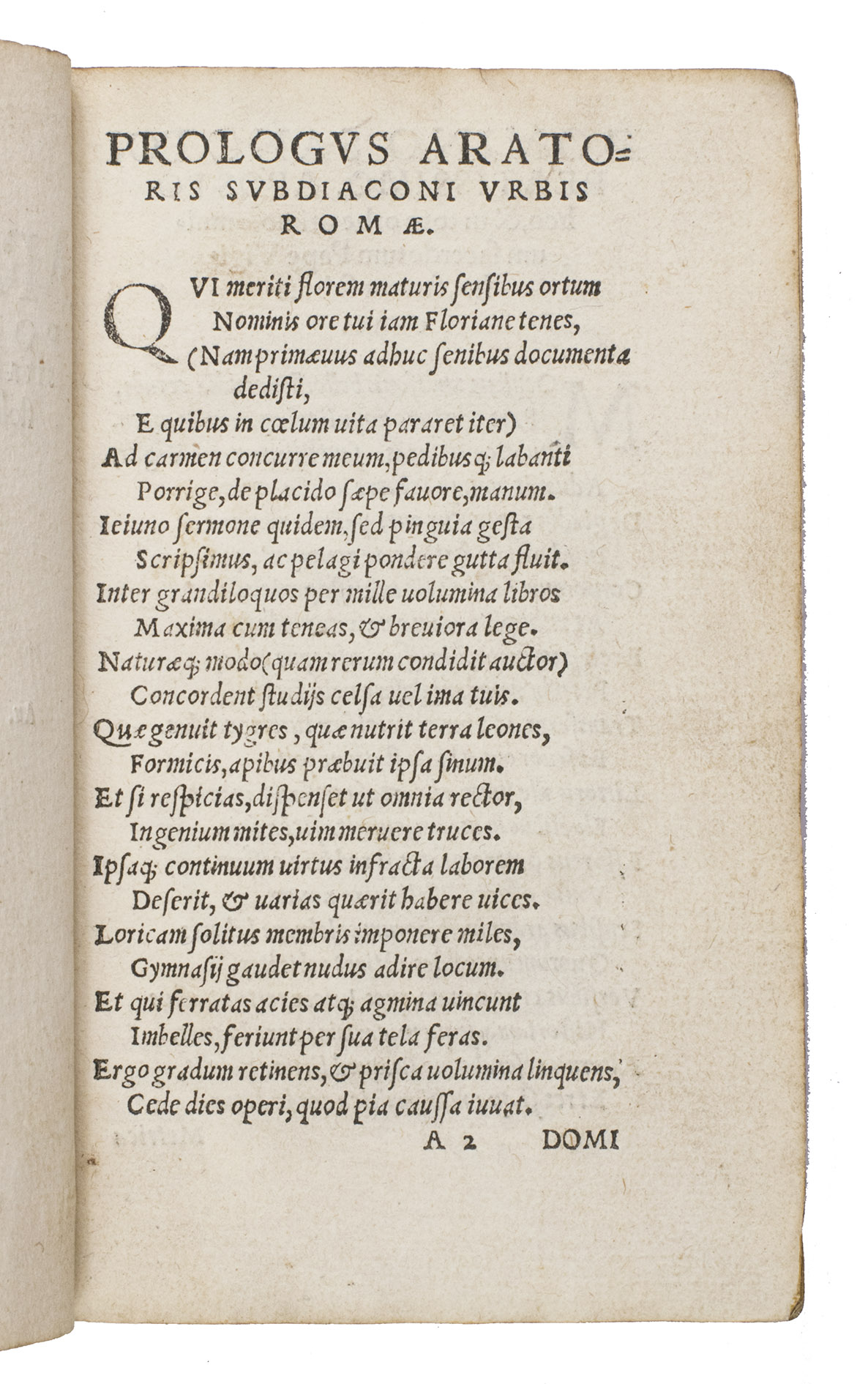
Arator, originally from Liguria in north-western Italy, left the imperial court to become a subdeacon in Rome, where he was closely associated with Pope Vigilius. He composed these verses in 544, dedicating them to the Pope. The work was first published by Aldus Manutius in Venice in 1502, and later included in the Bibliothèque des Pères, Paris, 1575.
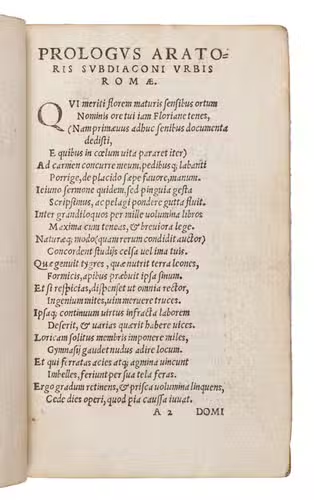
The poem is composed in two books of hexameters, offering a poetical rendition of the Acts of the Apostles and recounting the deeds of the Apostles up to the martyrdom of Peter and Paul. The first book contains 1076 hexameters, the second 1250, drawing upon the Acts of Luke as its textual foundation.
Arators poetic paraphrase represents an early Christian adaptation of the New Testament, providing an elaborate exegesis of the symbolic and theological meanings within the biblical narrative. The work was widely studied in the Middle Ages for its rich vocabulary, intricate numerical symbolism, and profound interpretive depth.
The final leaf is mounted on the second to last flyleaf, the leaves are occasionally browned and stained. Otherwise in very good condition. Broda, "An Unnoticed Twelfth-Century Manuscript of Arator's Historia Apostoliva, Wroclaw University Library", AKC, 1 (2018), pp. 1-16; Machiels A 831; NijhoffKronenberg 129; STCV:12926082; USTC 403902; not in Adams; BM STC Dutch.
Related Subjects: