Home
Shopping cart (0 items € 0)
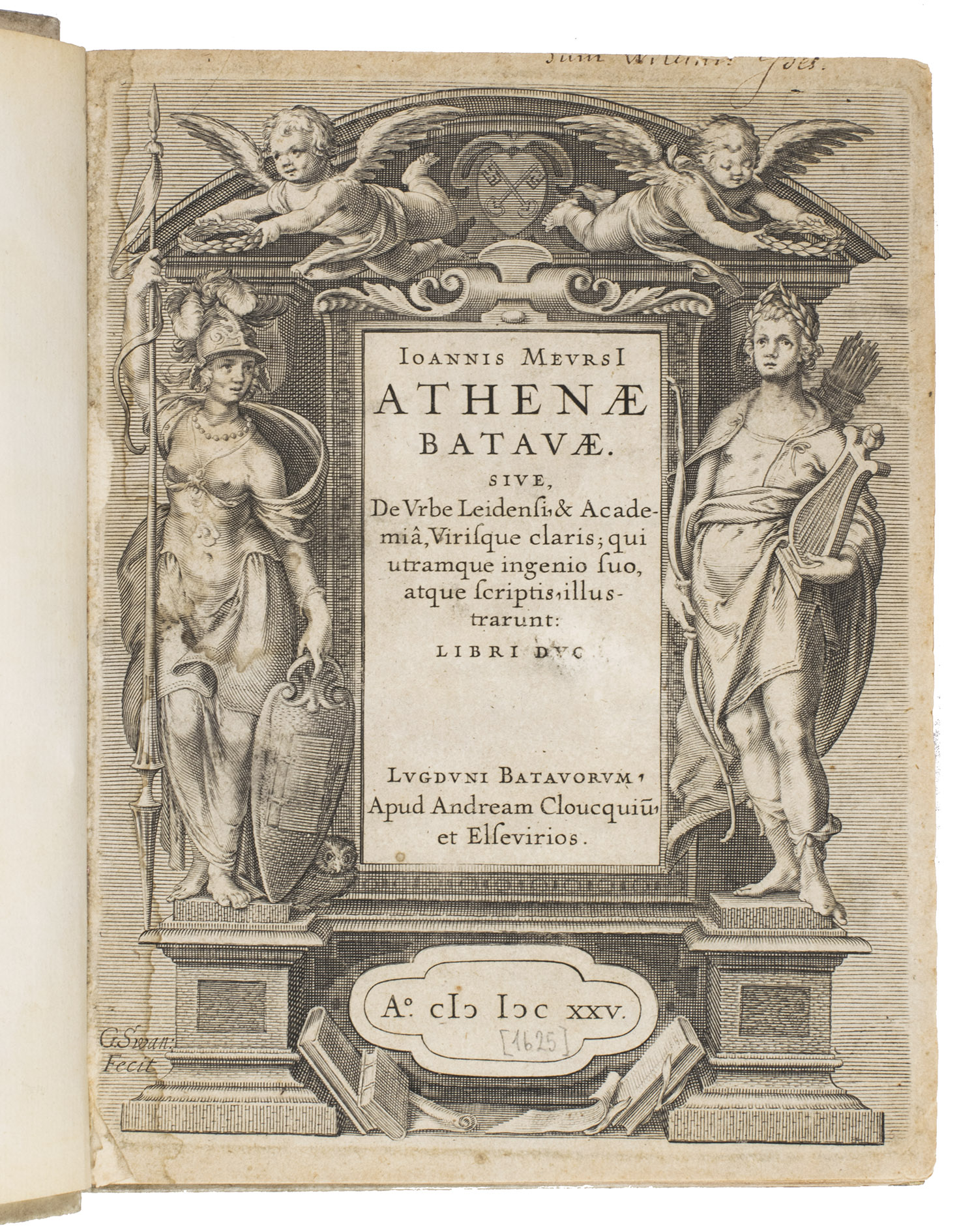
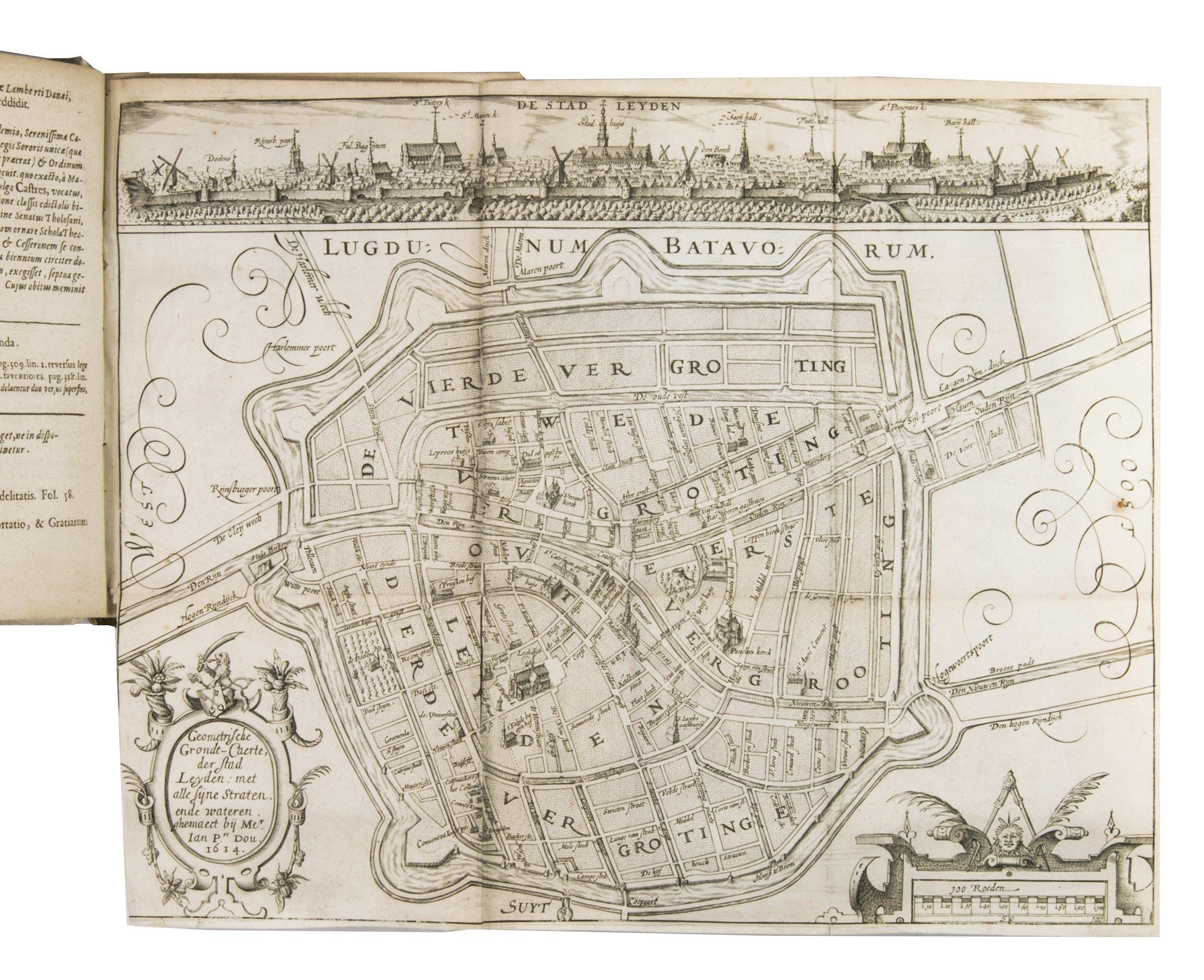
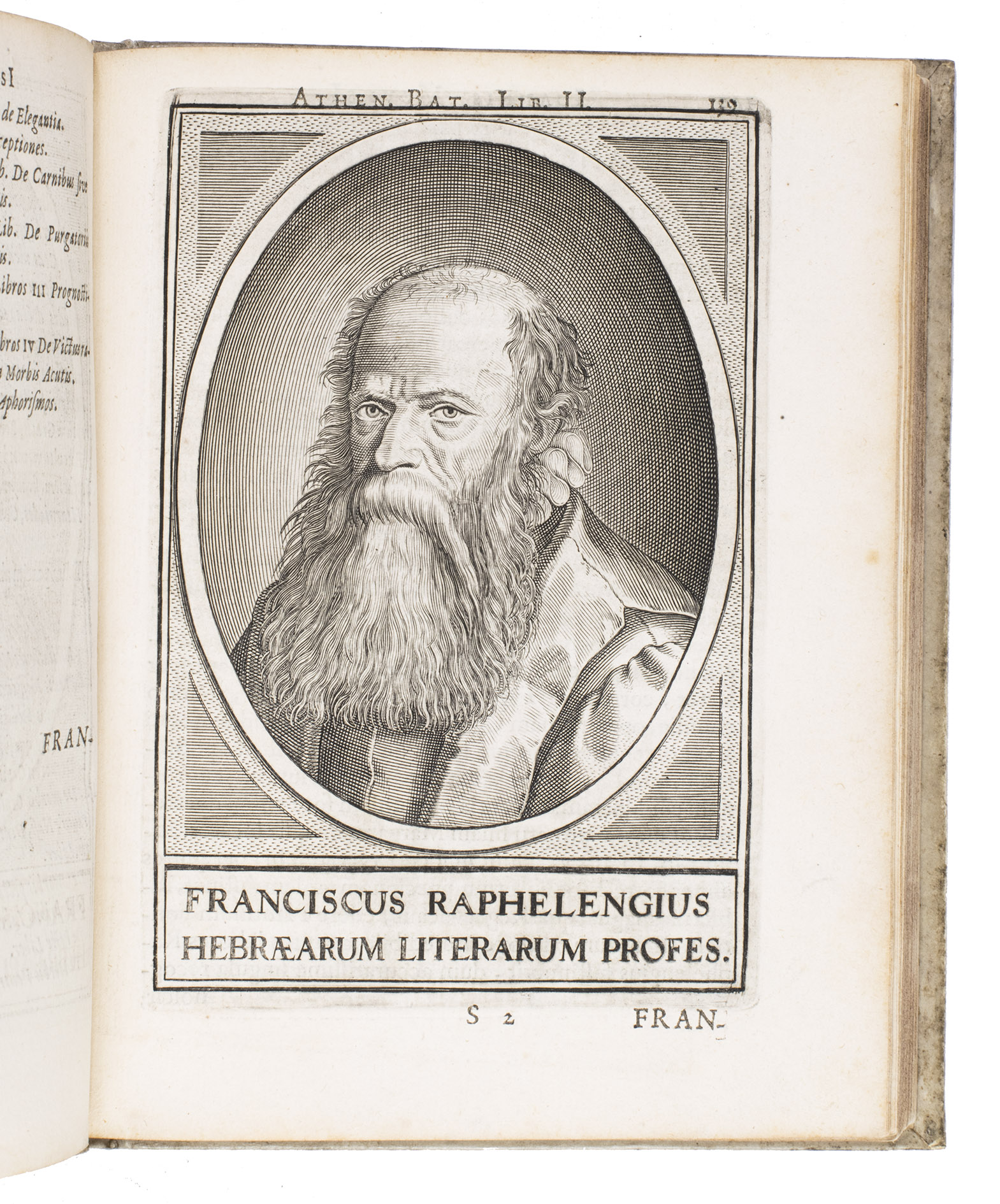
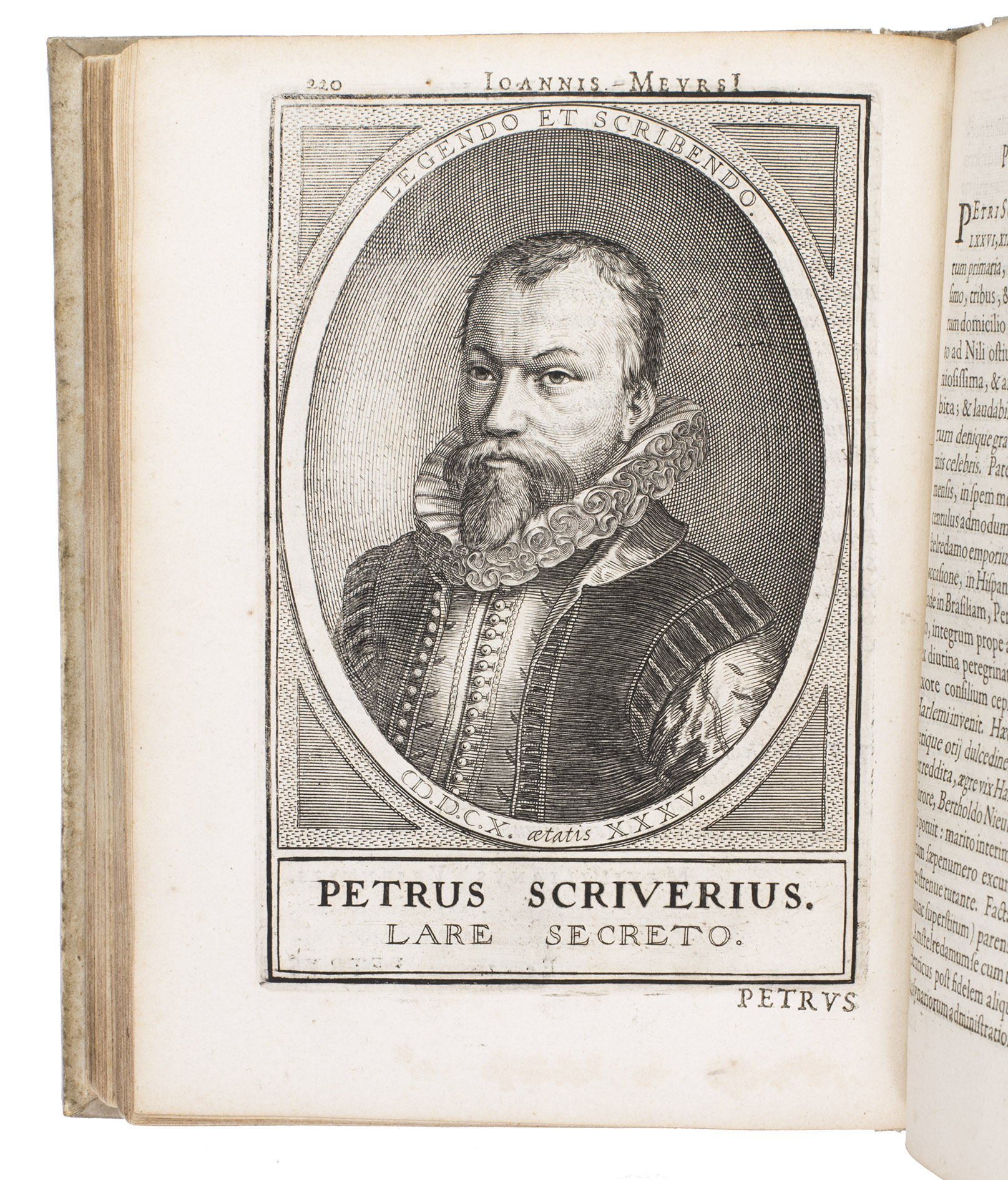
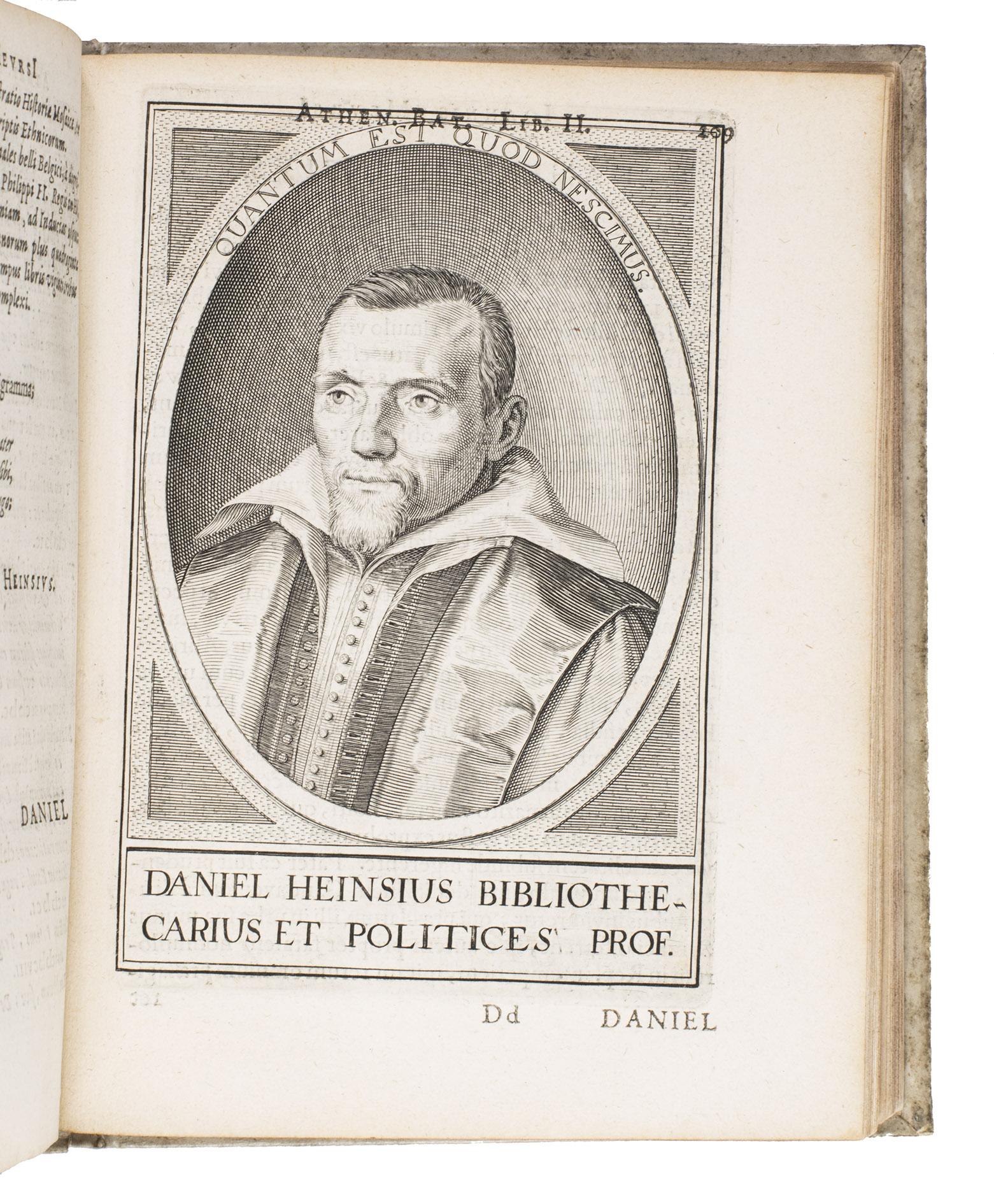
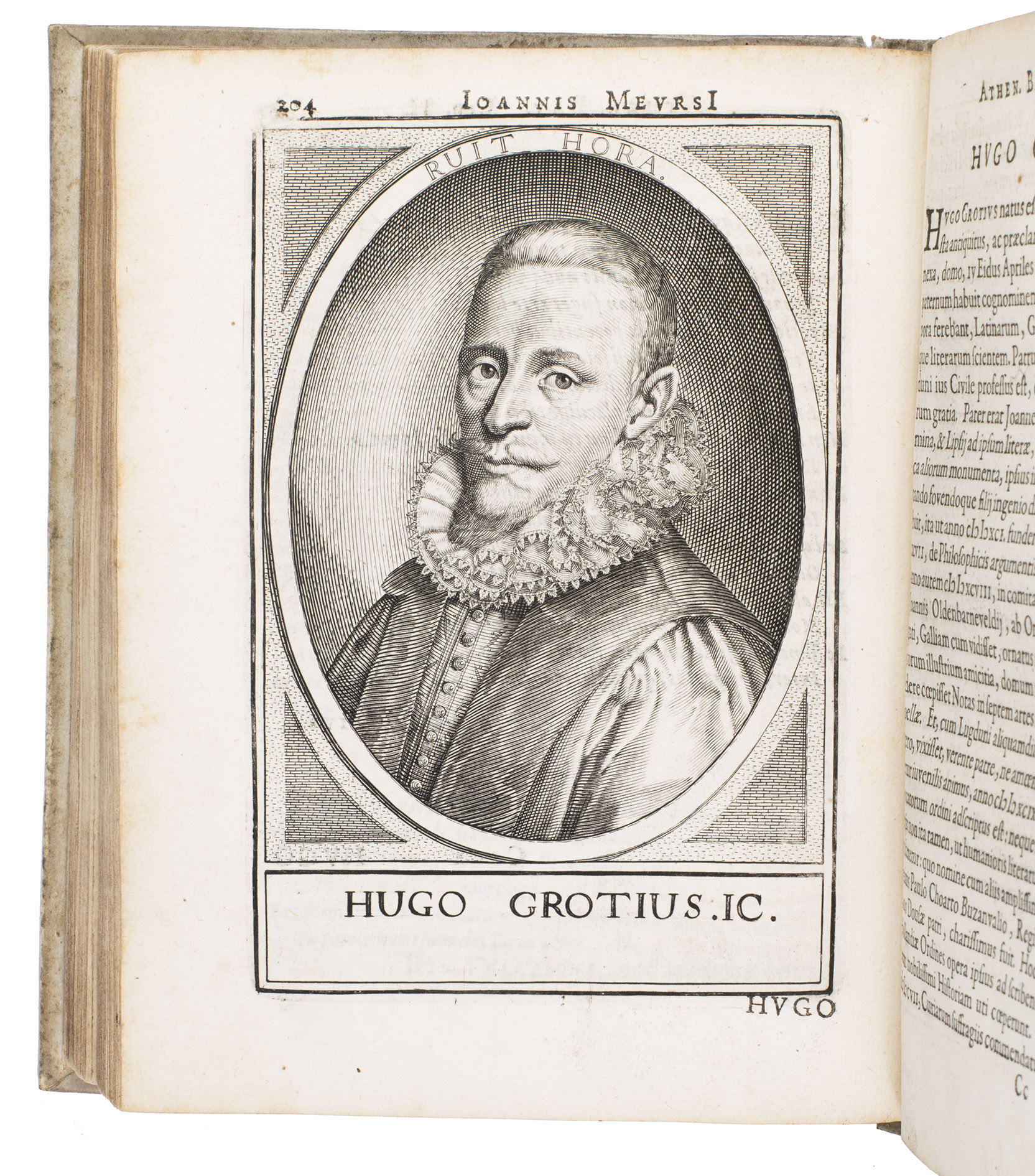
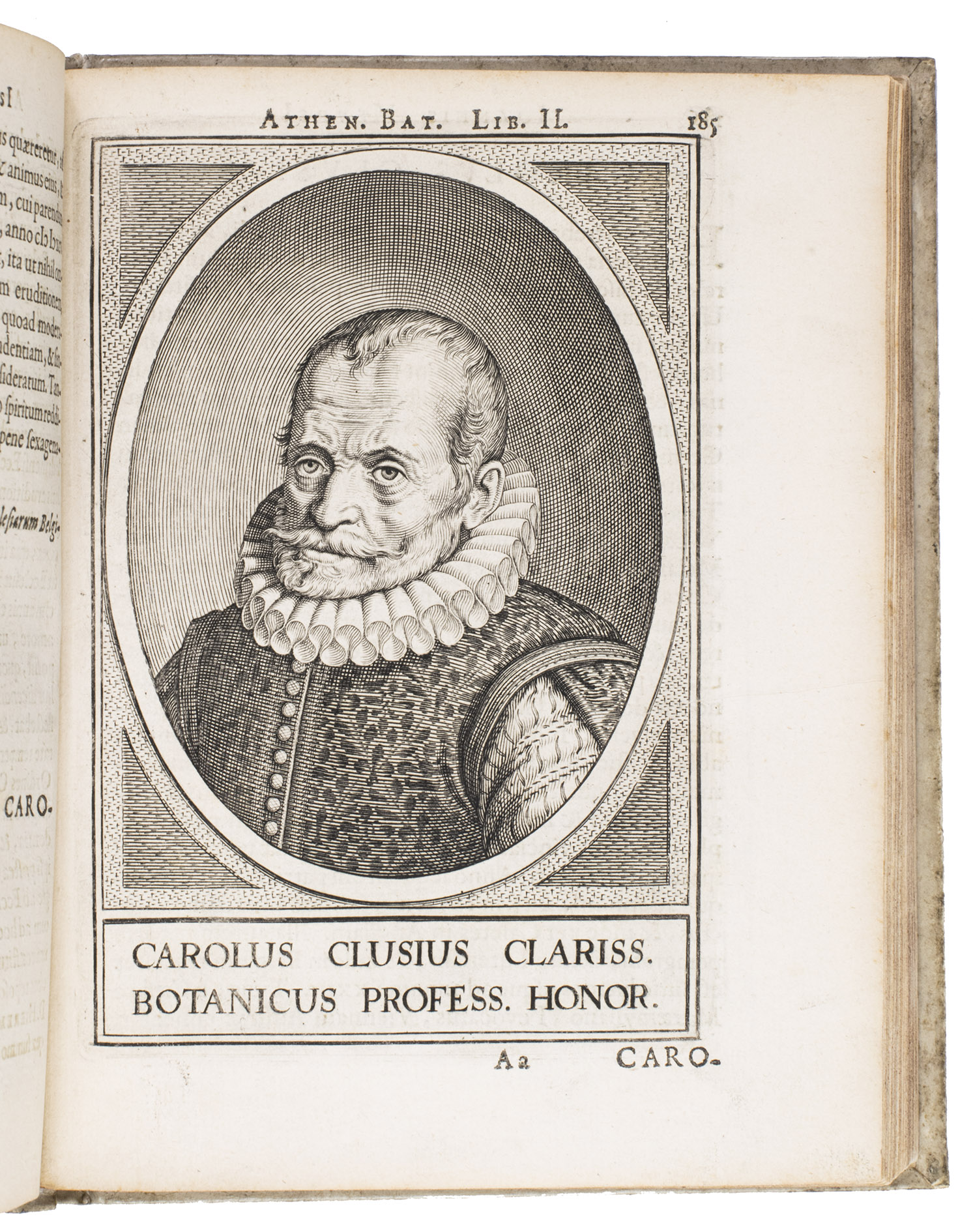
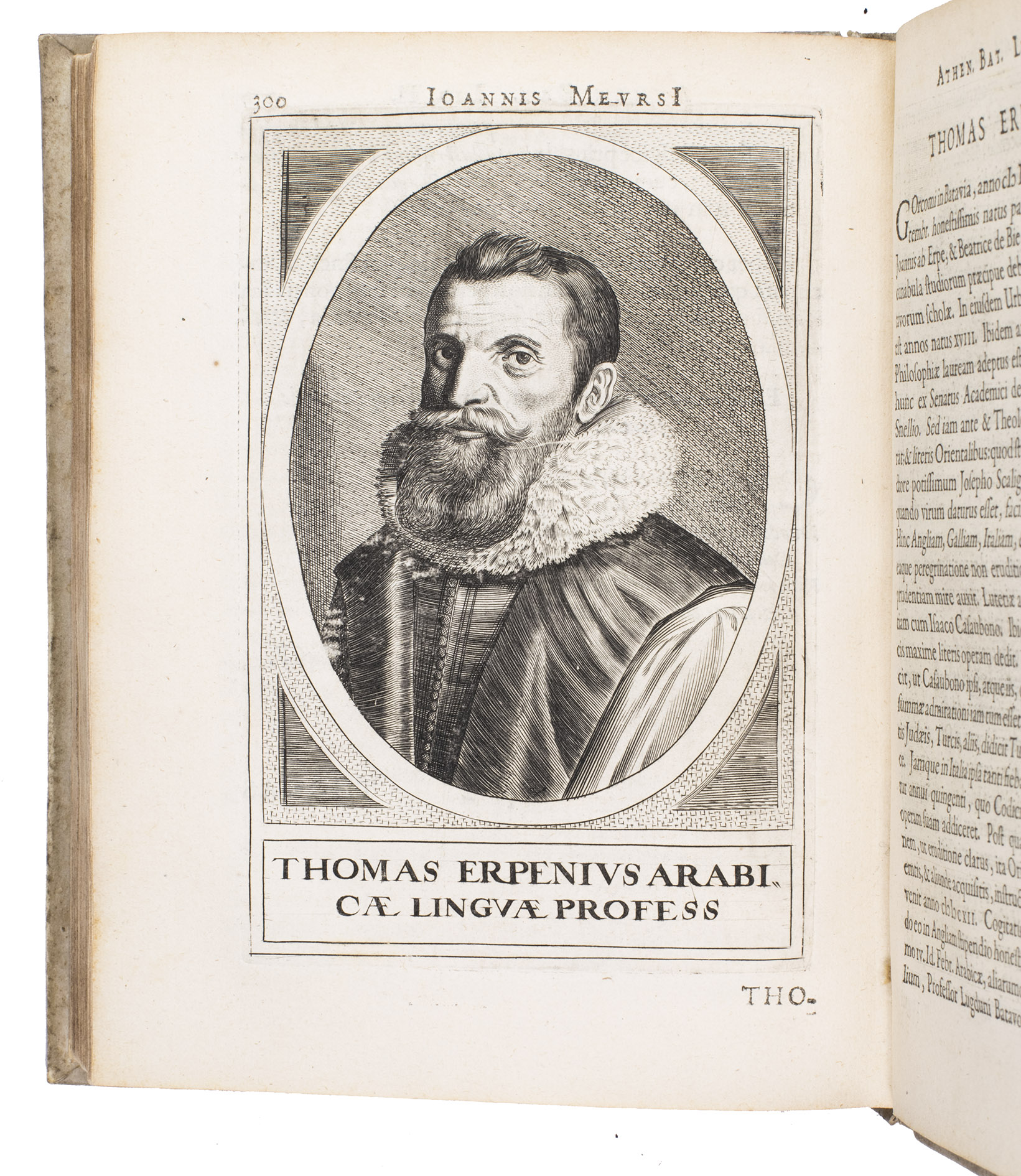
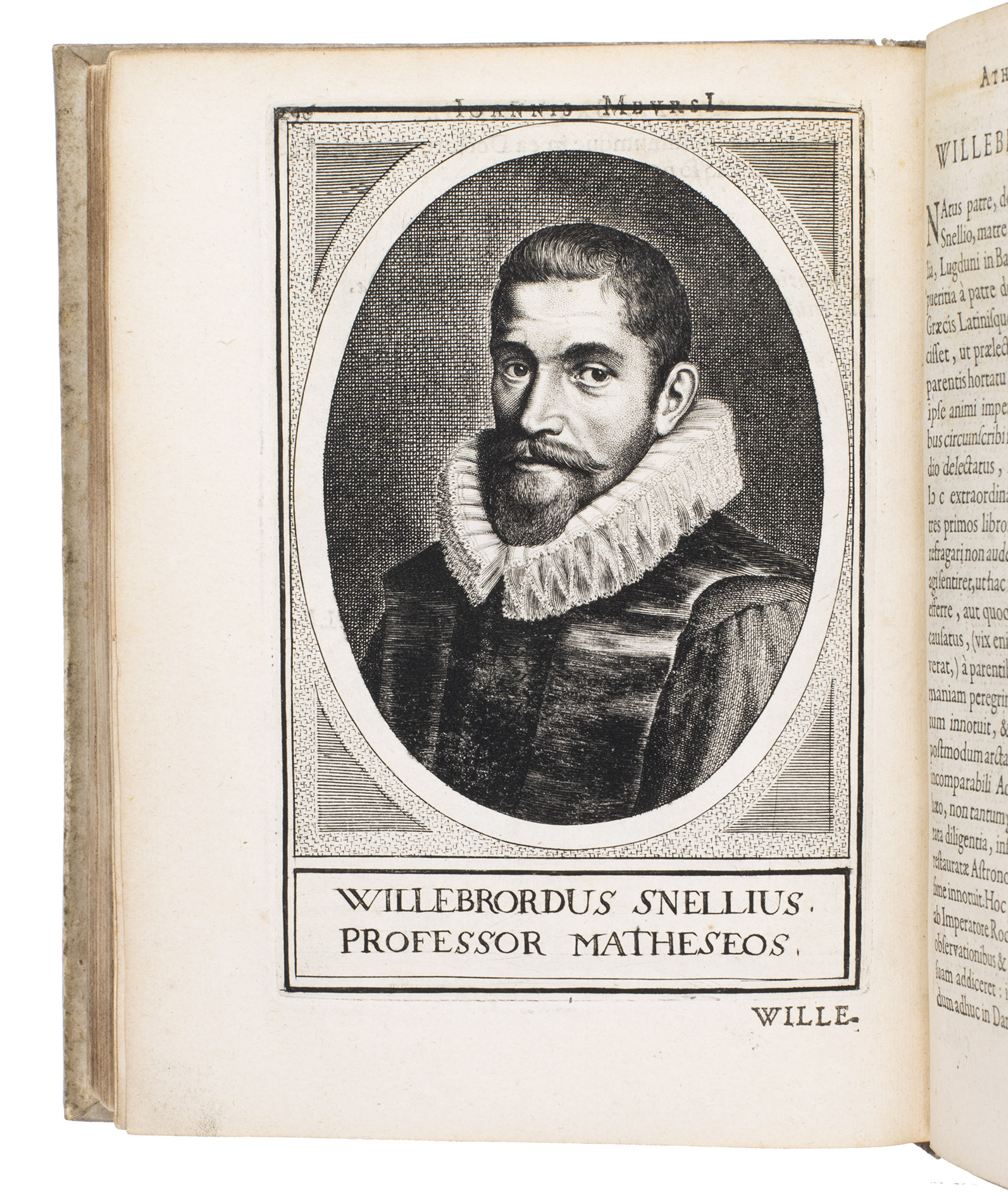
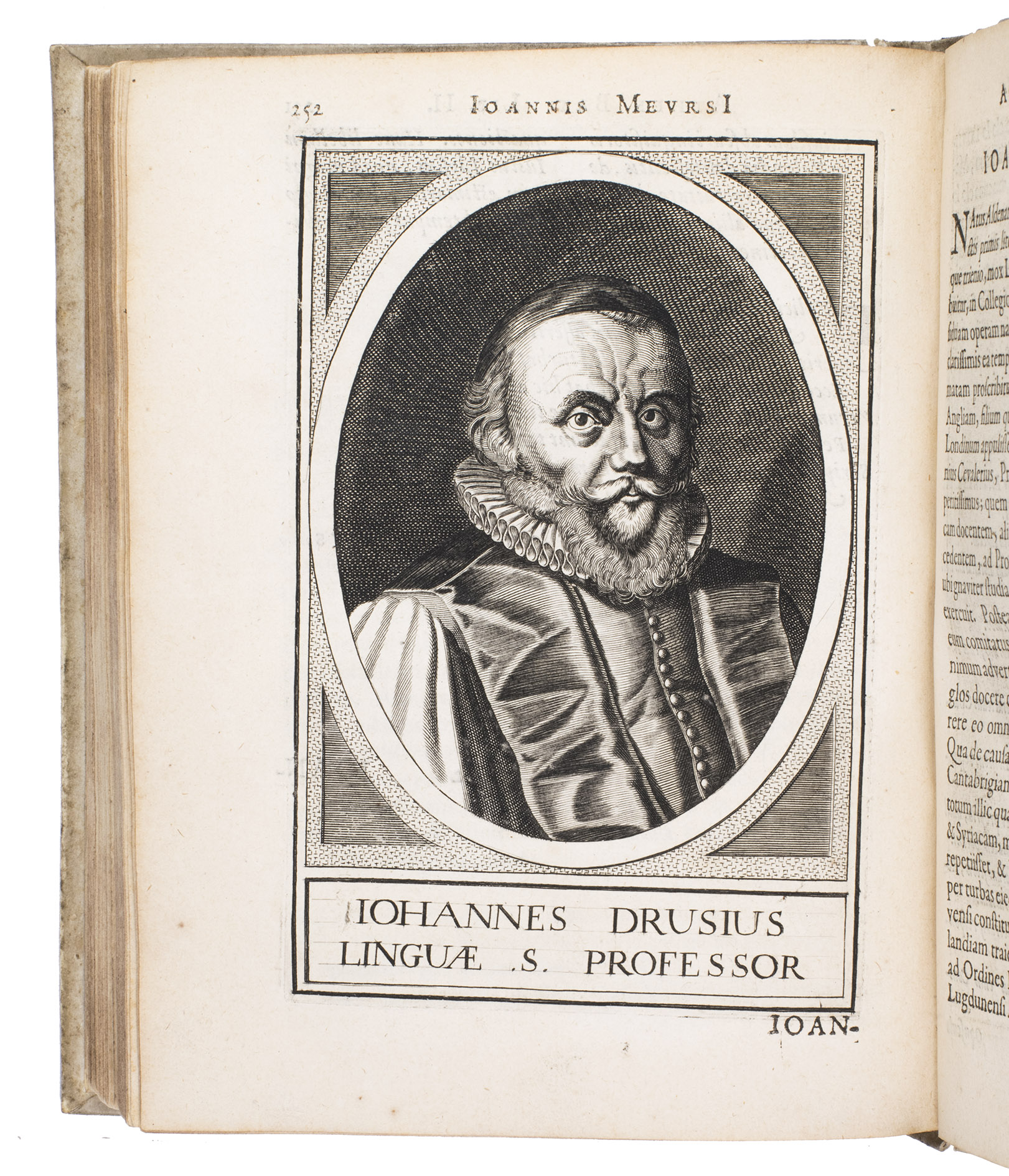
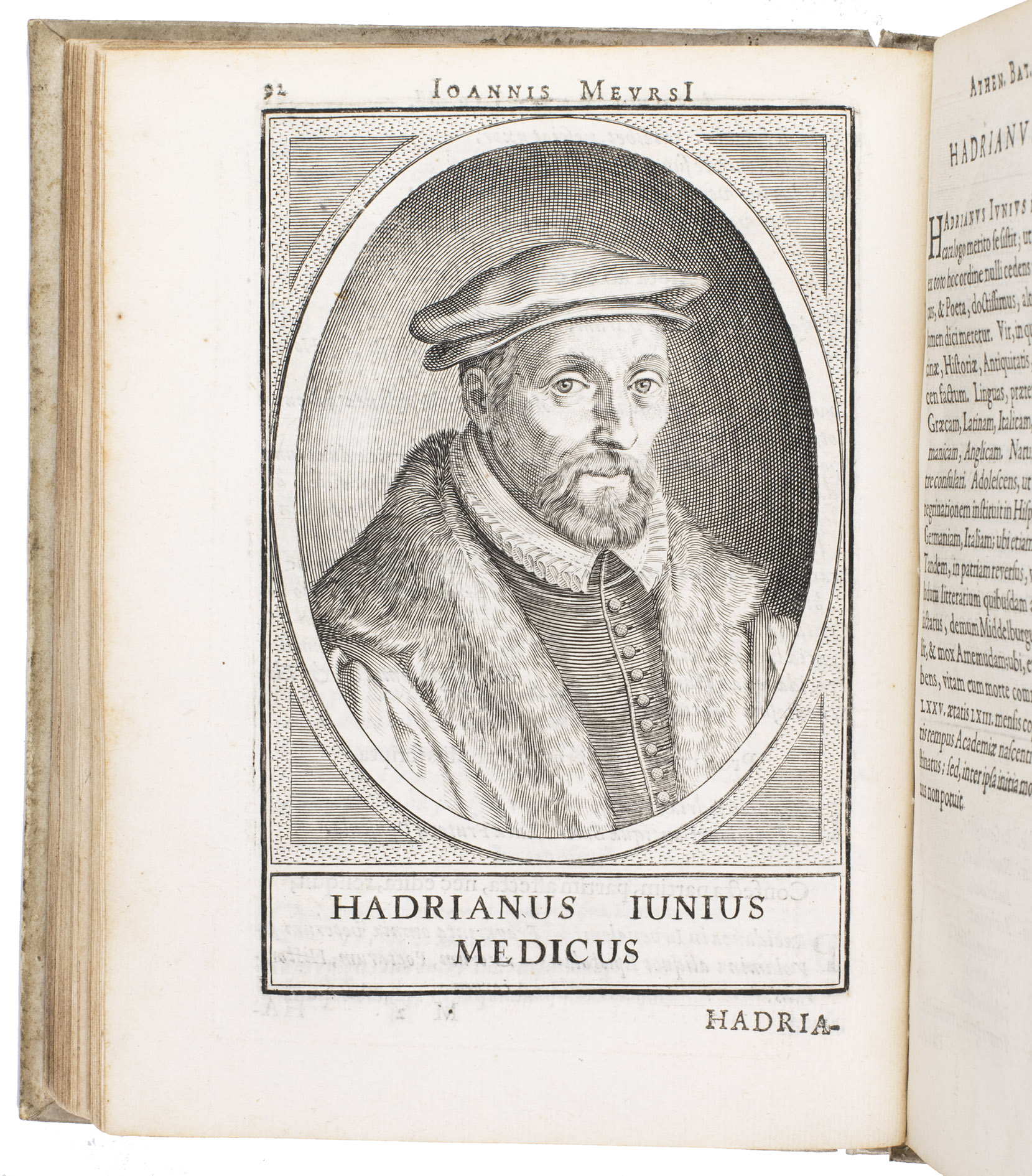
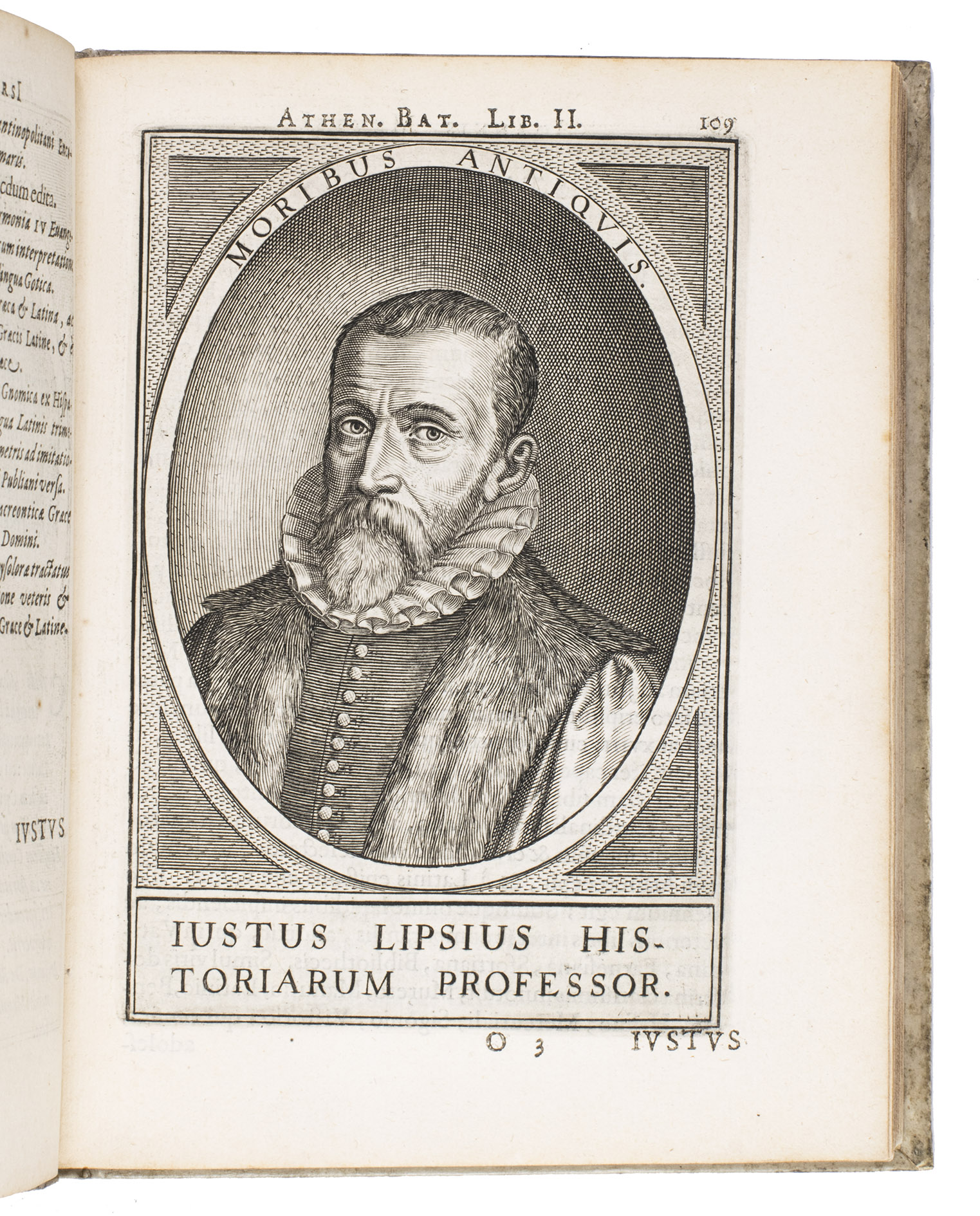
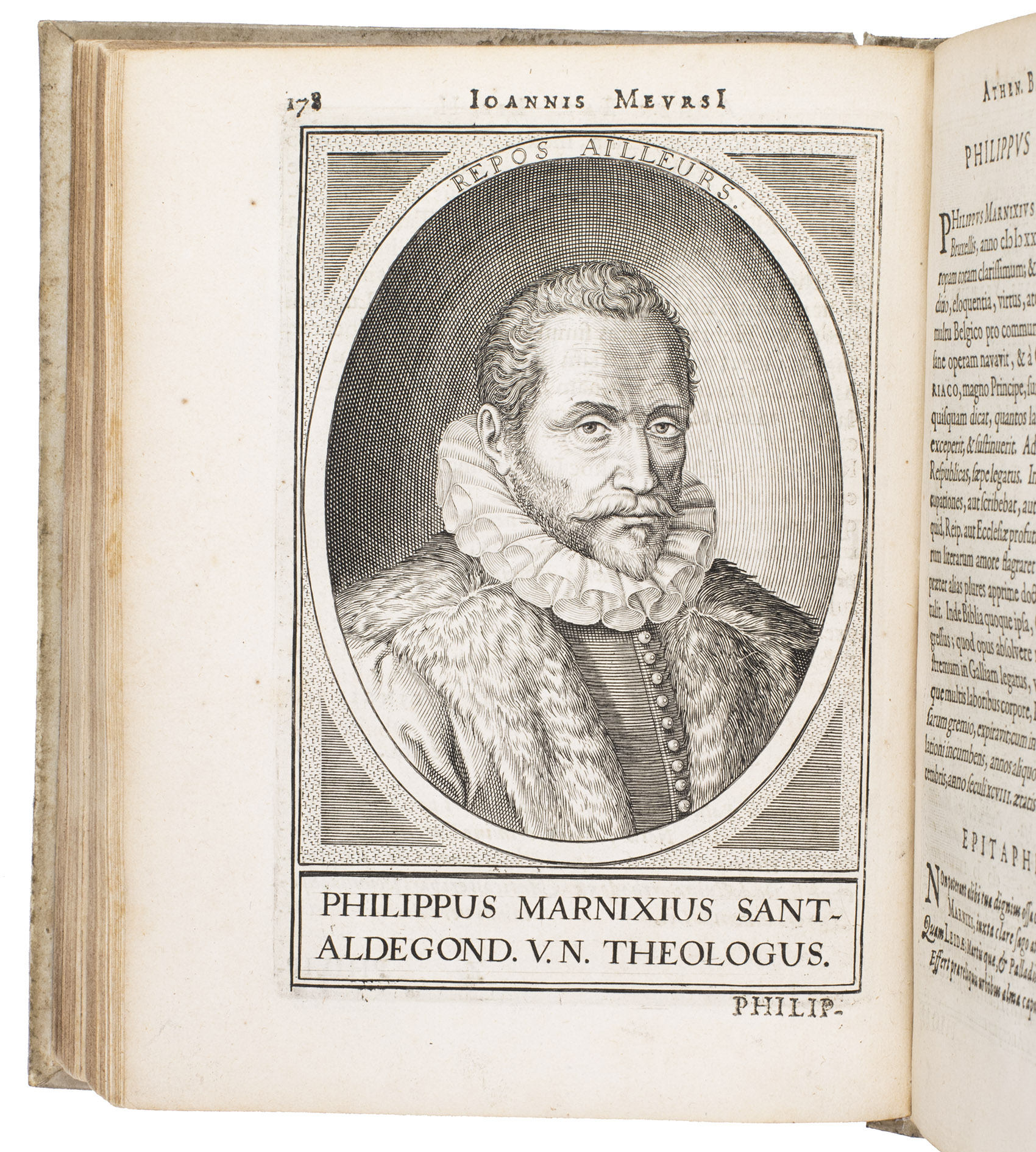
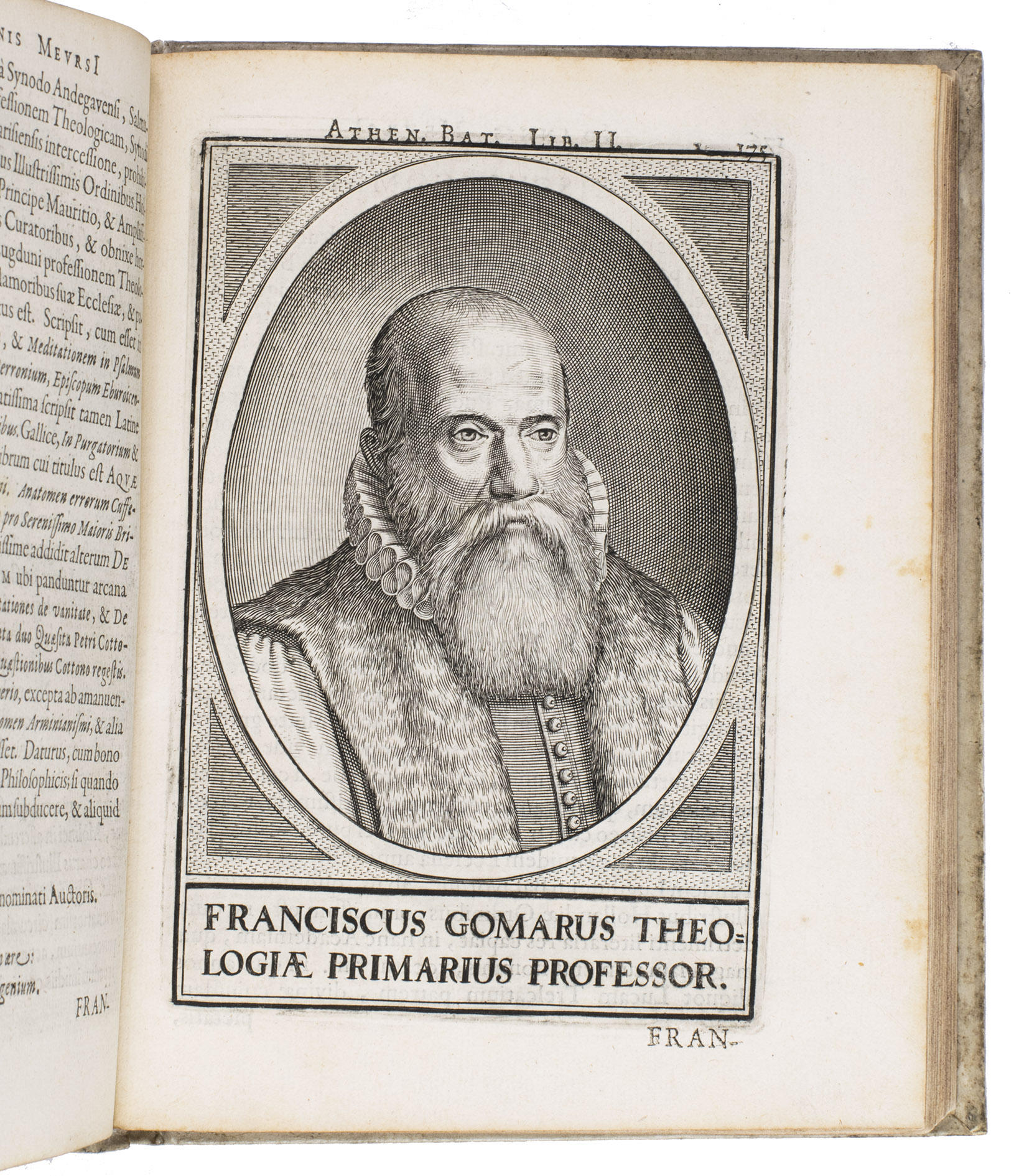
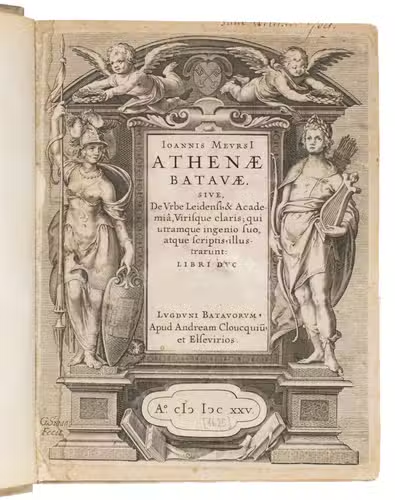
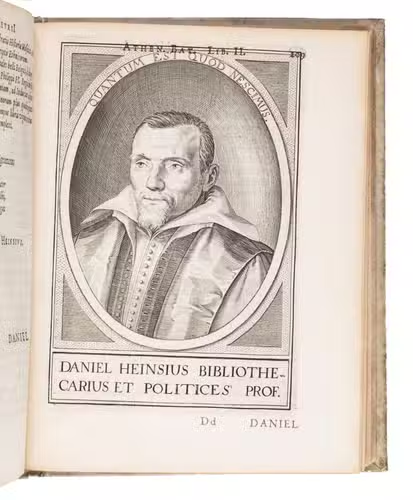
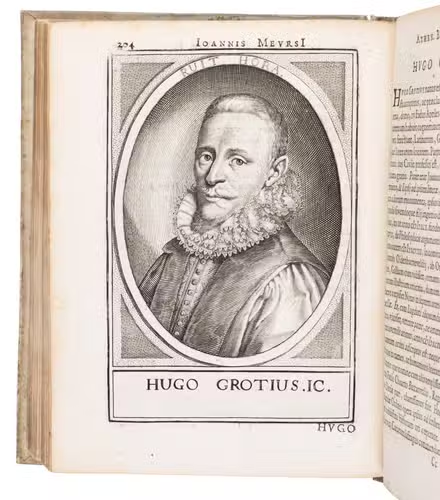
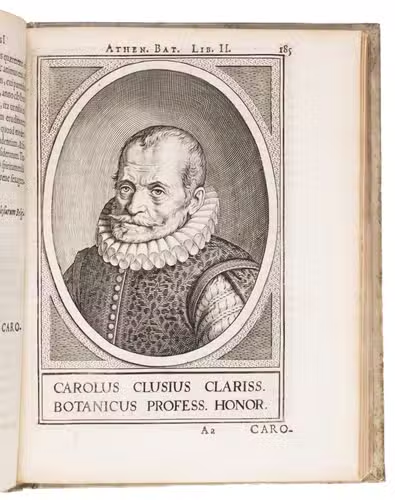
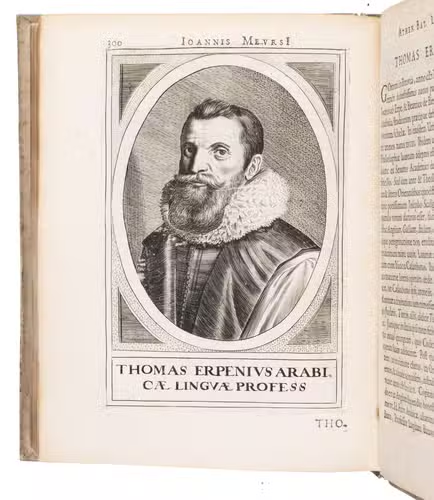
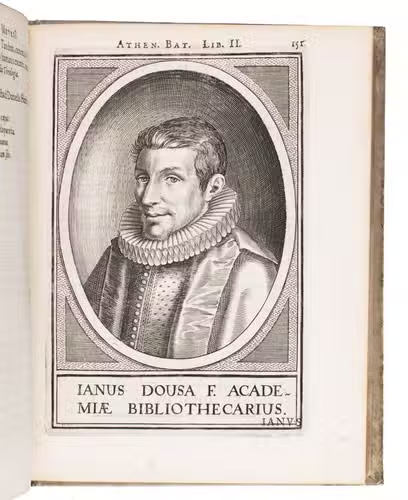
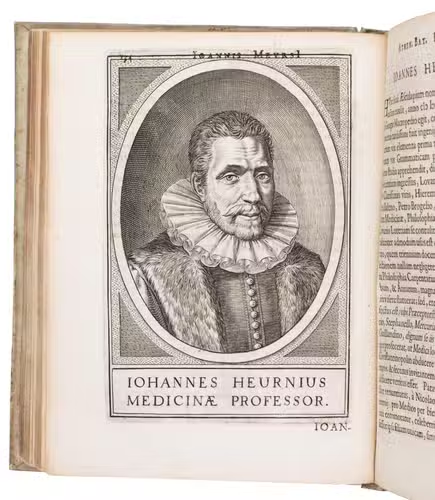
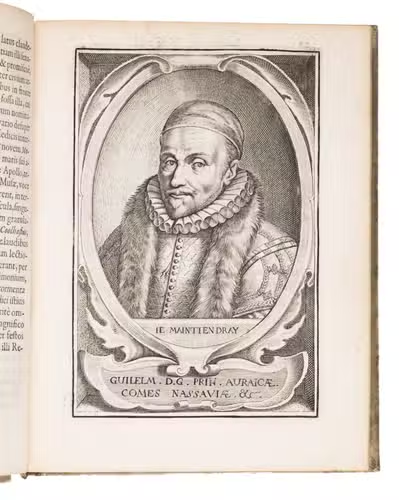
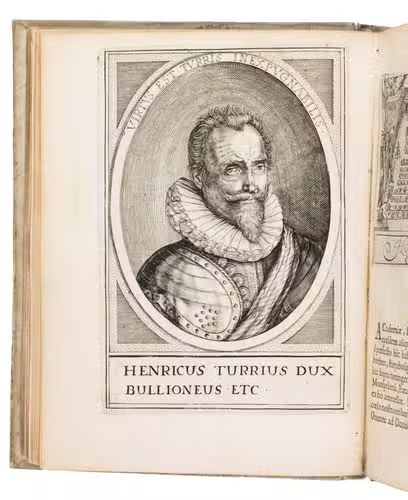
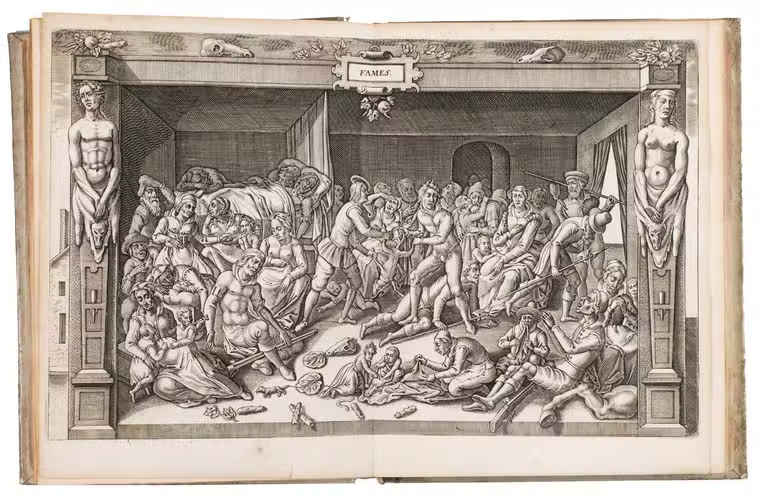
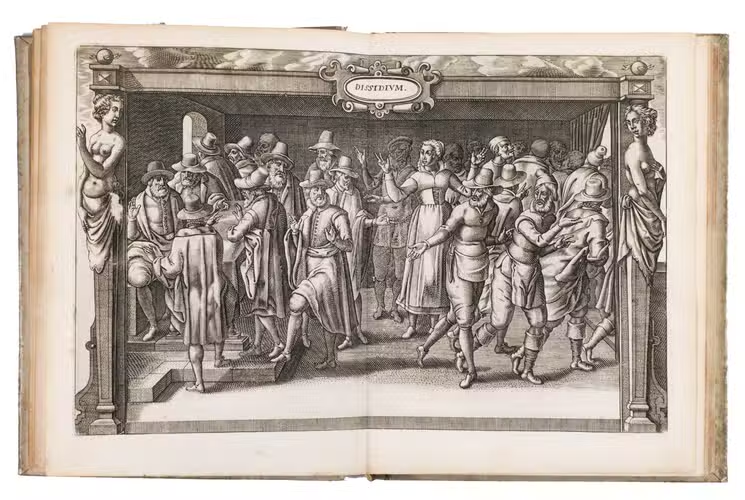
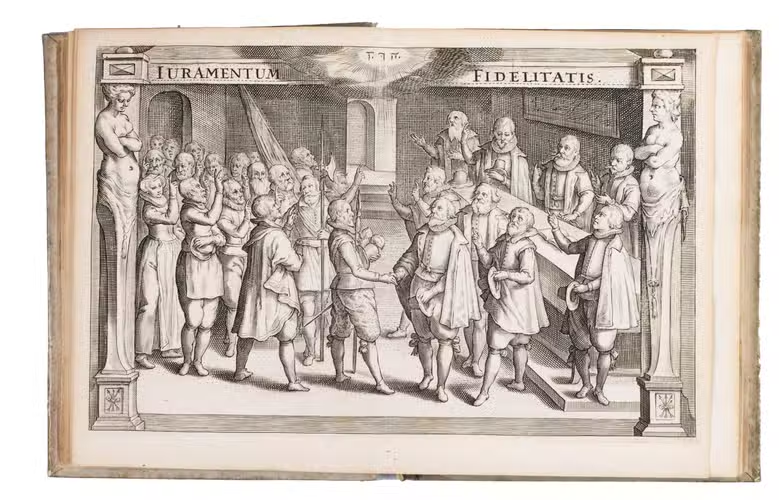
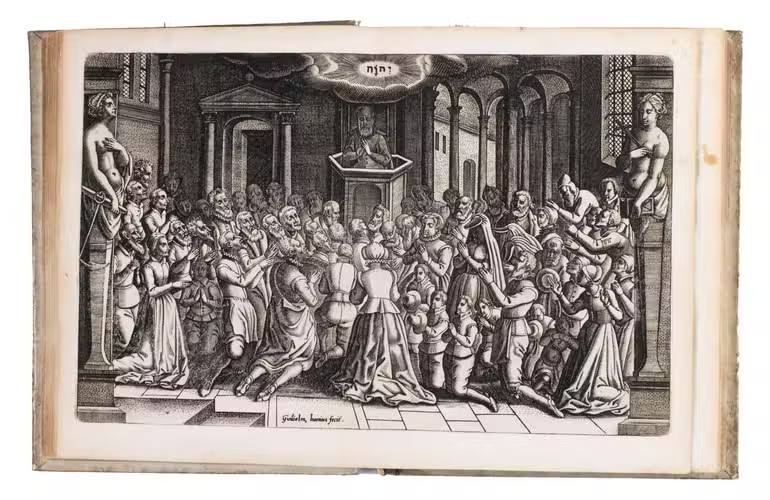
Athenae Batavae. Sive, de urbe Leidensi, & academiâ, virisque claris; qui utramque ingenio suo,atque scriptis, illustrarunt: libri duo.
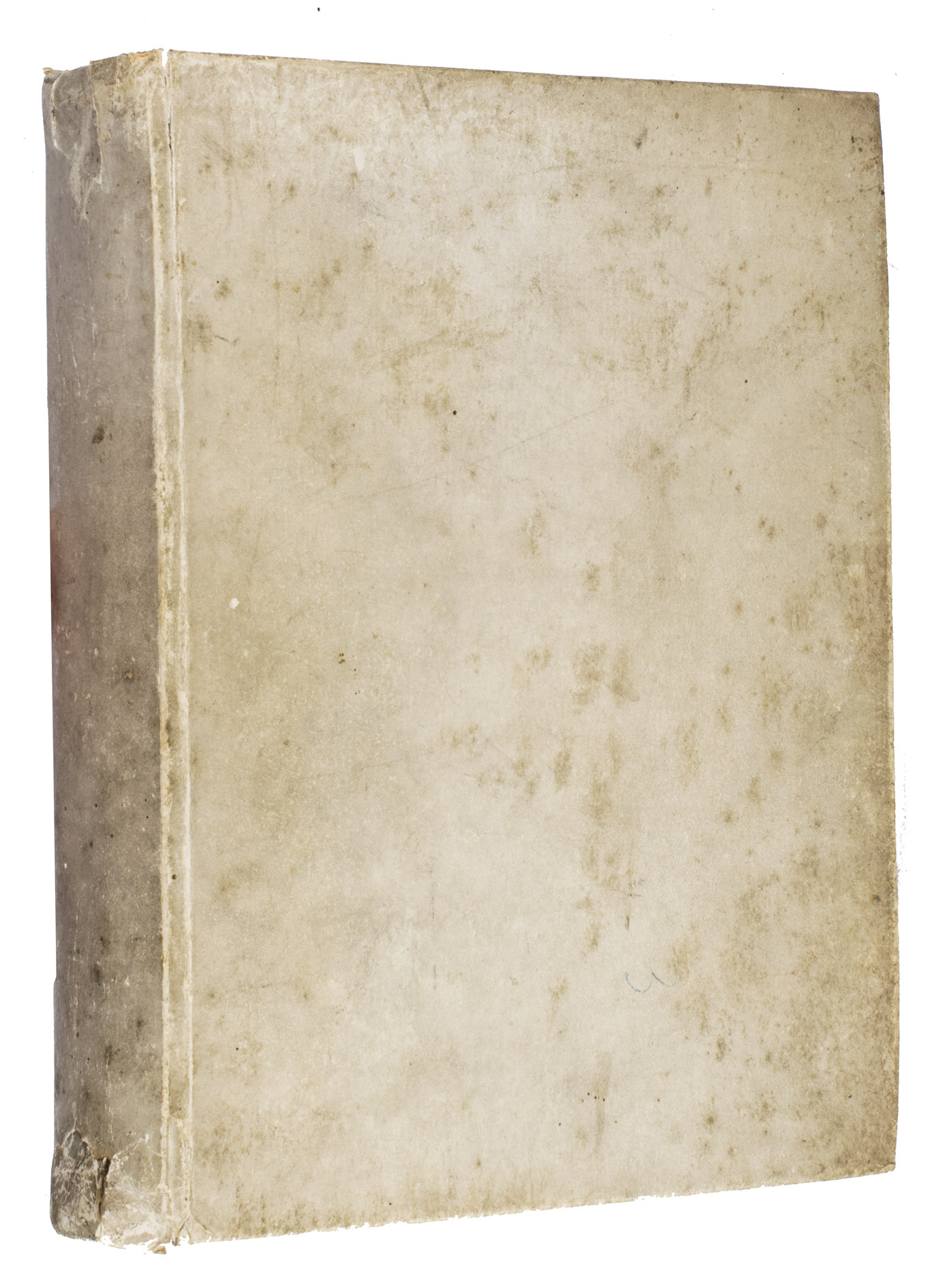
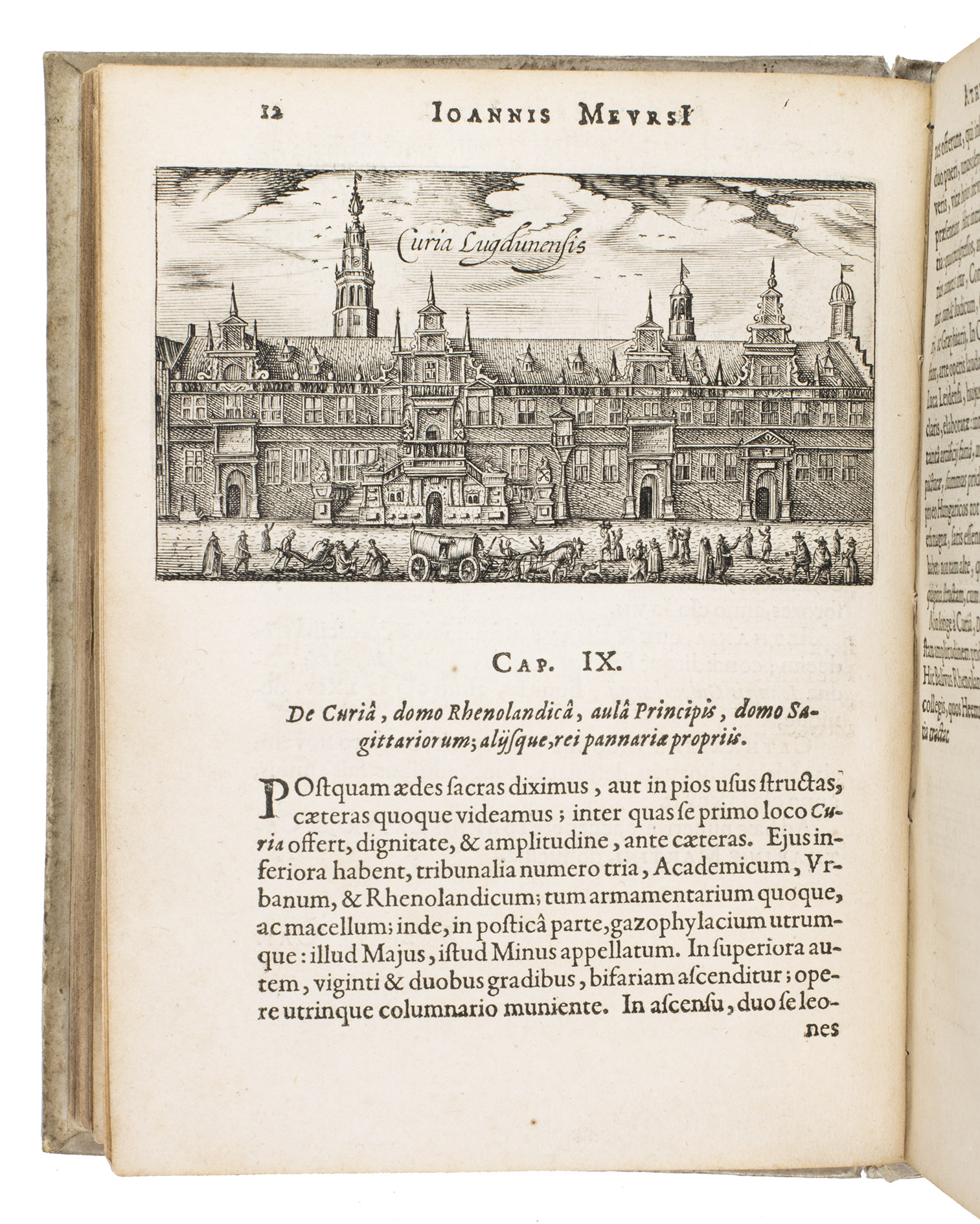
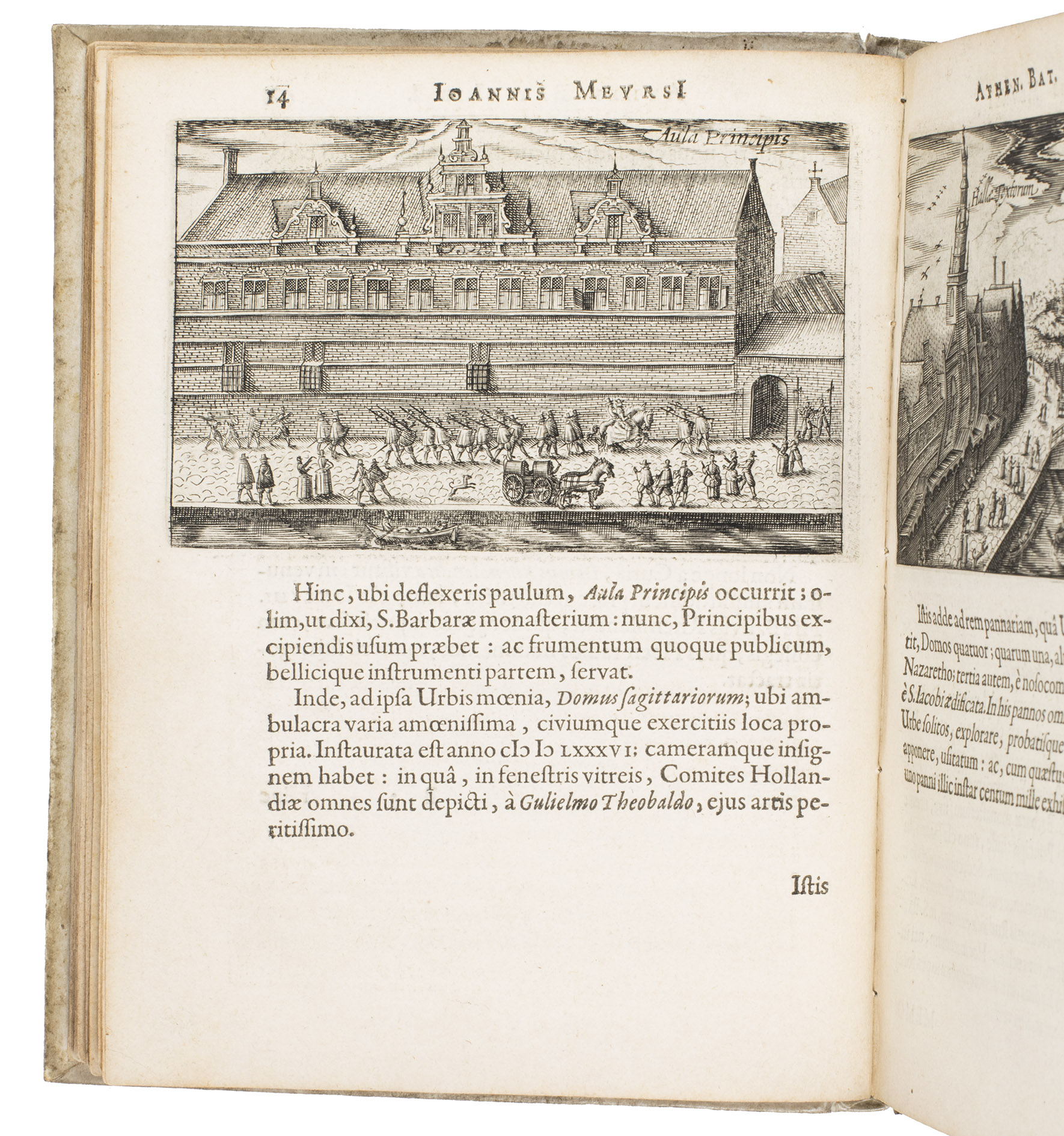
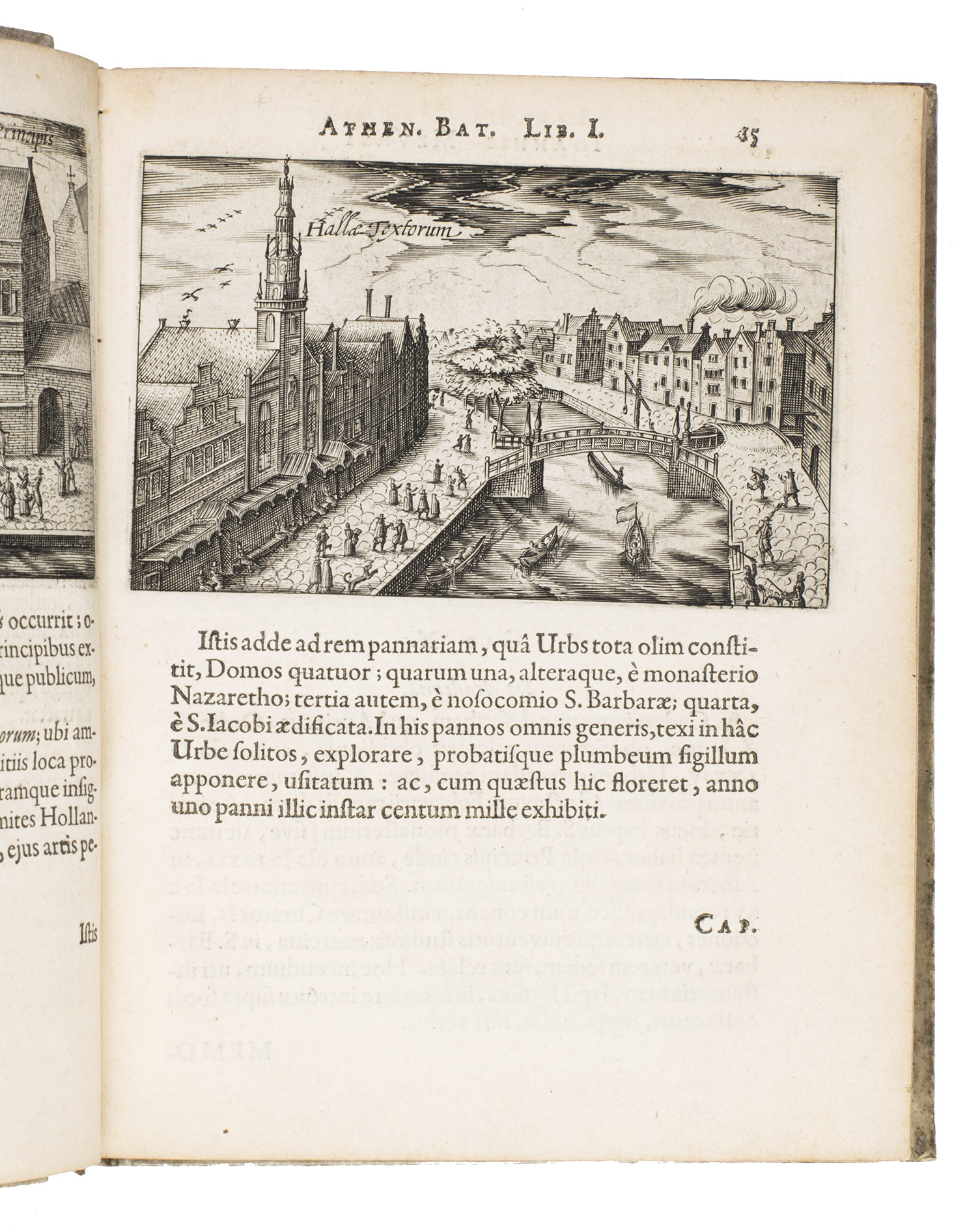
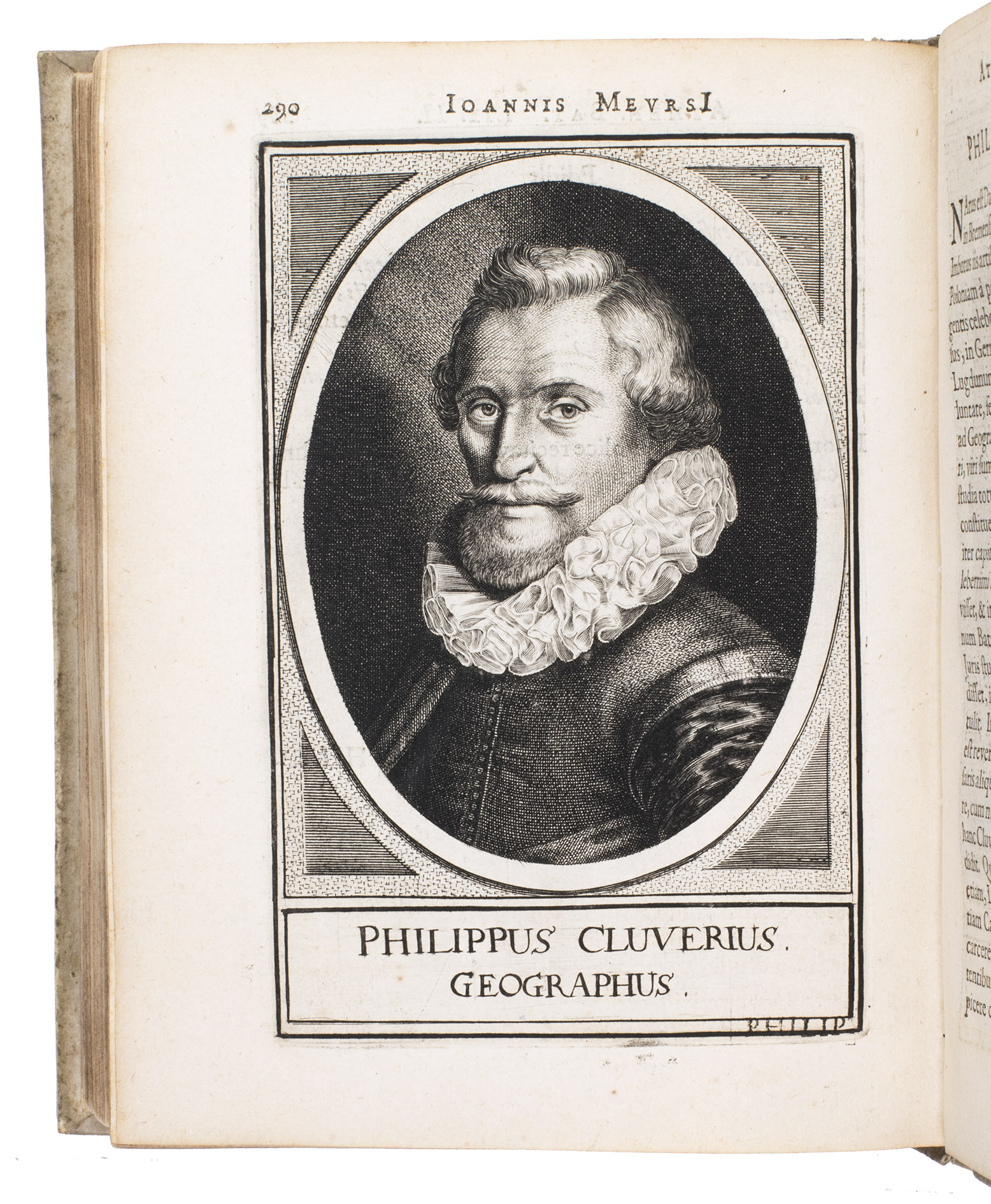
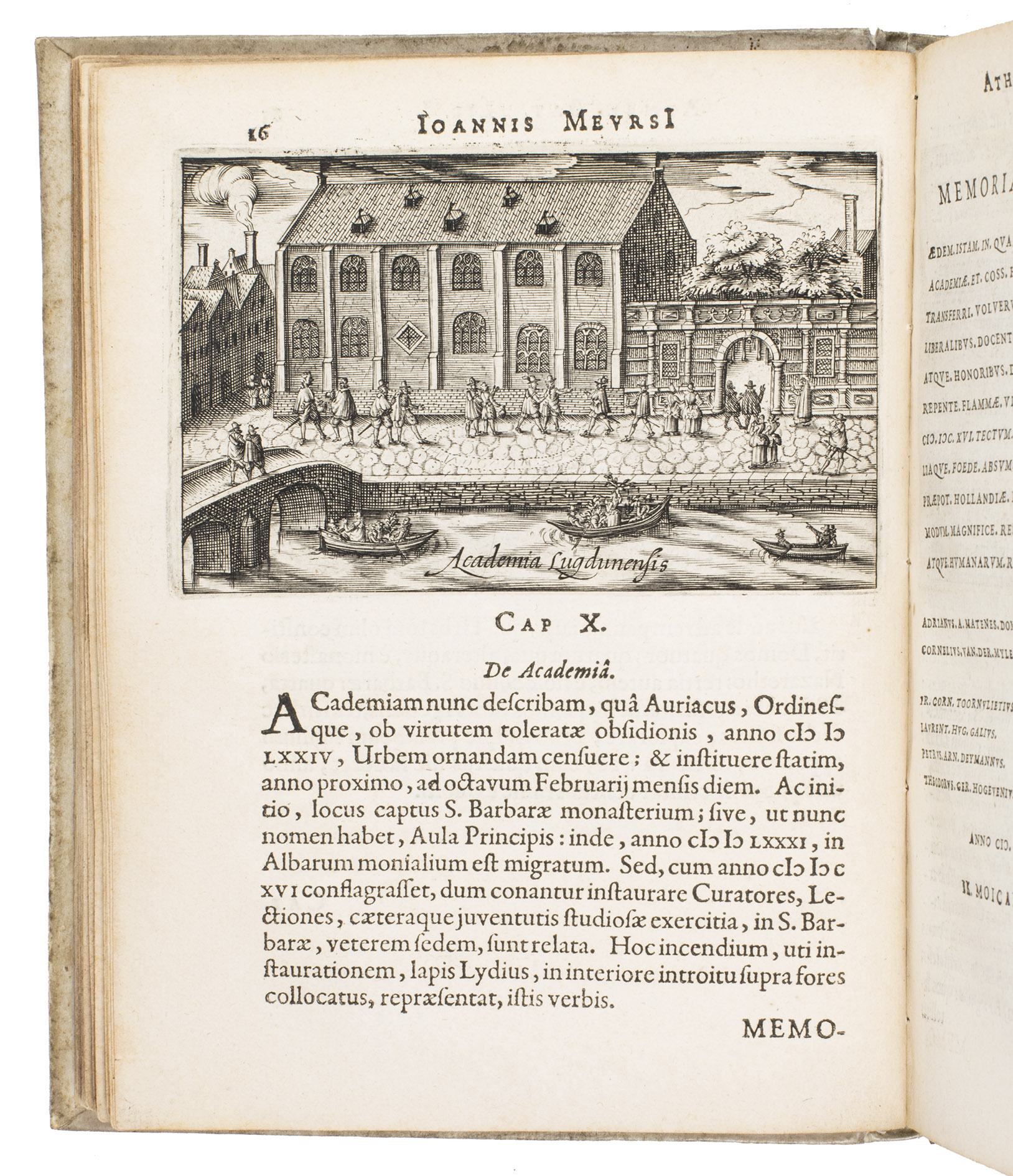
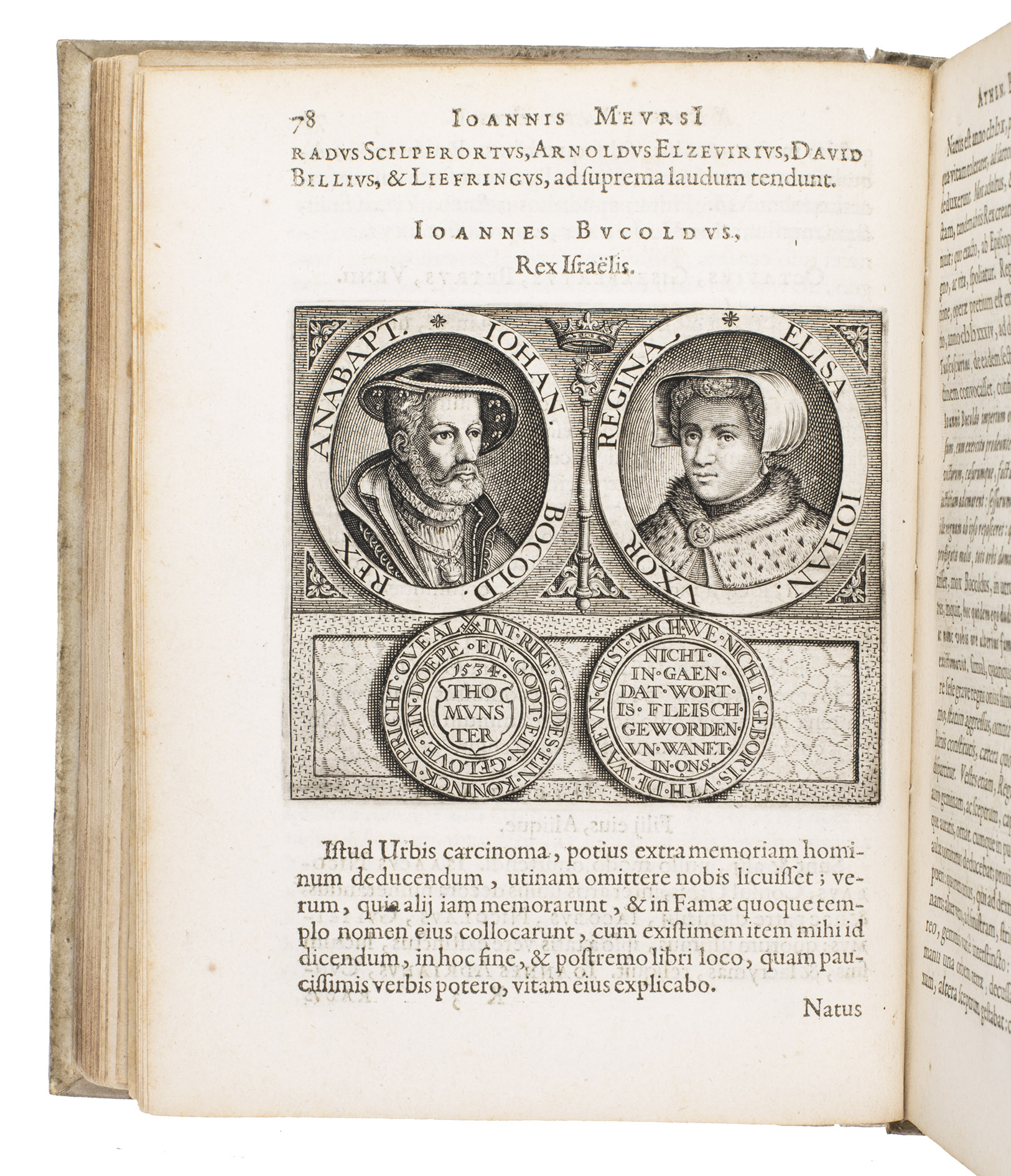
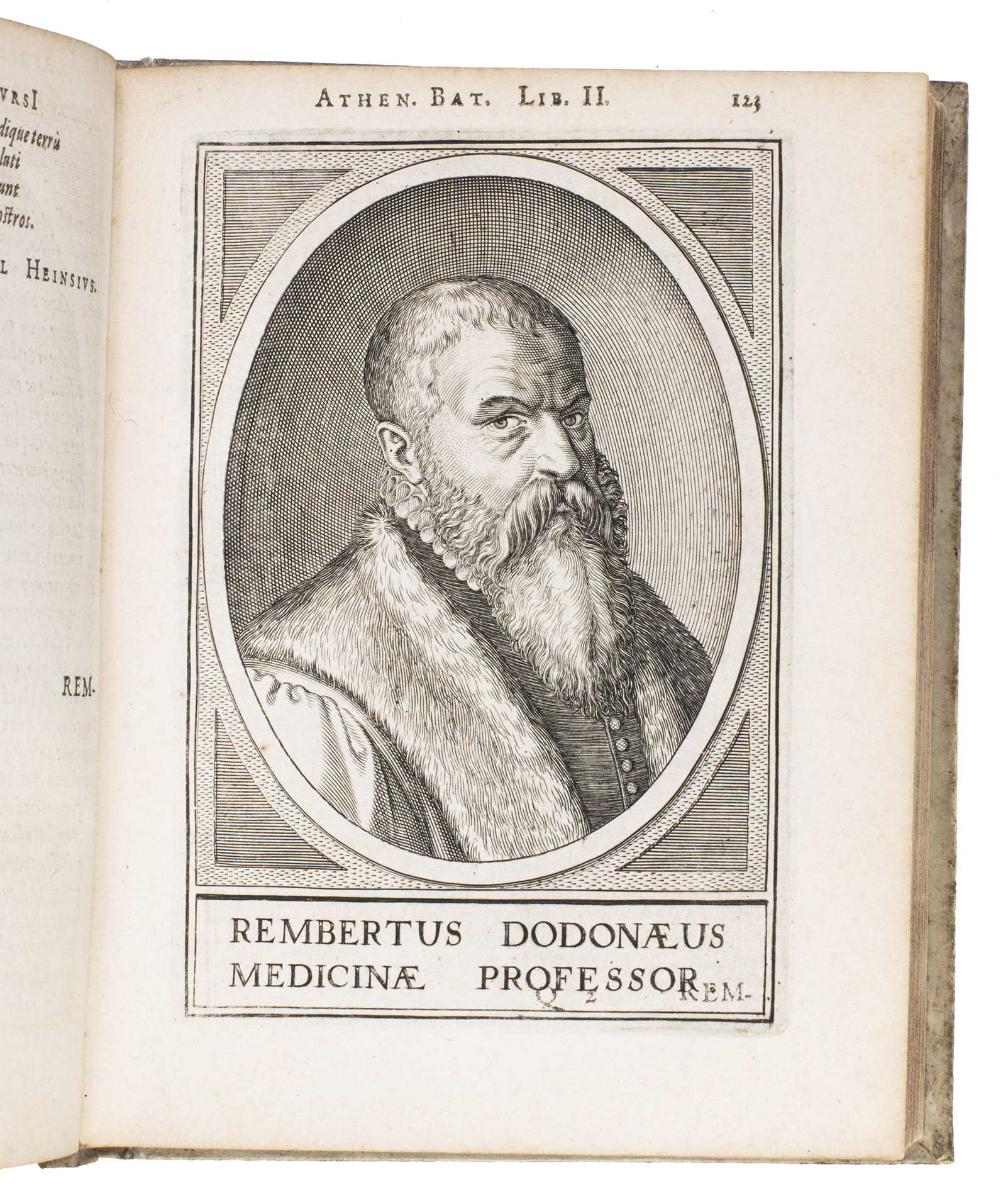
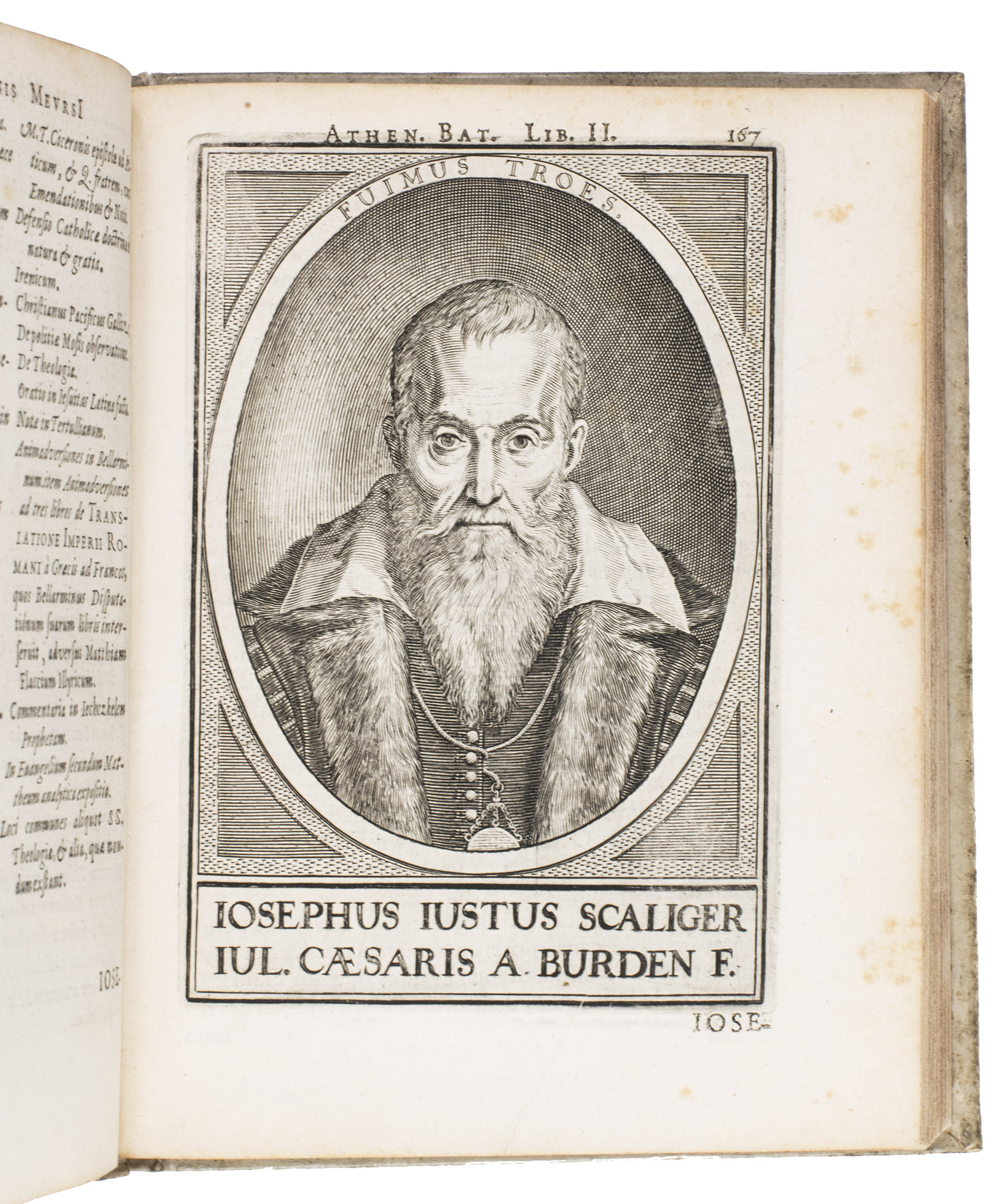
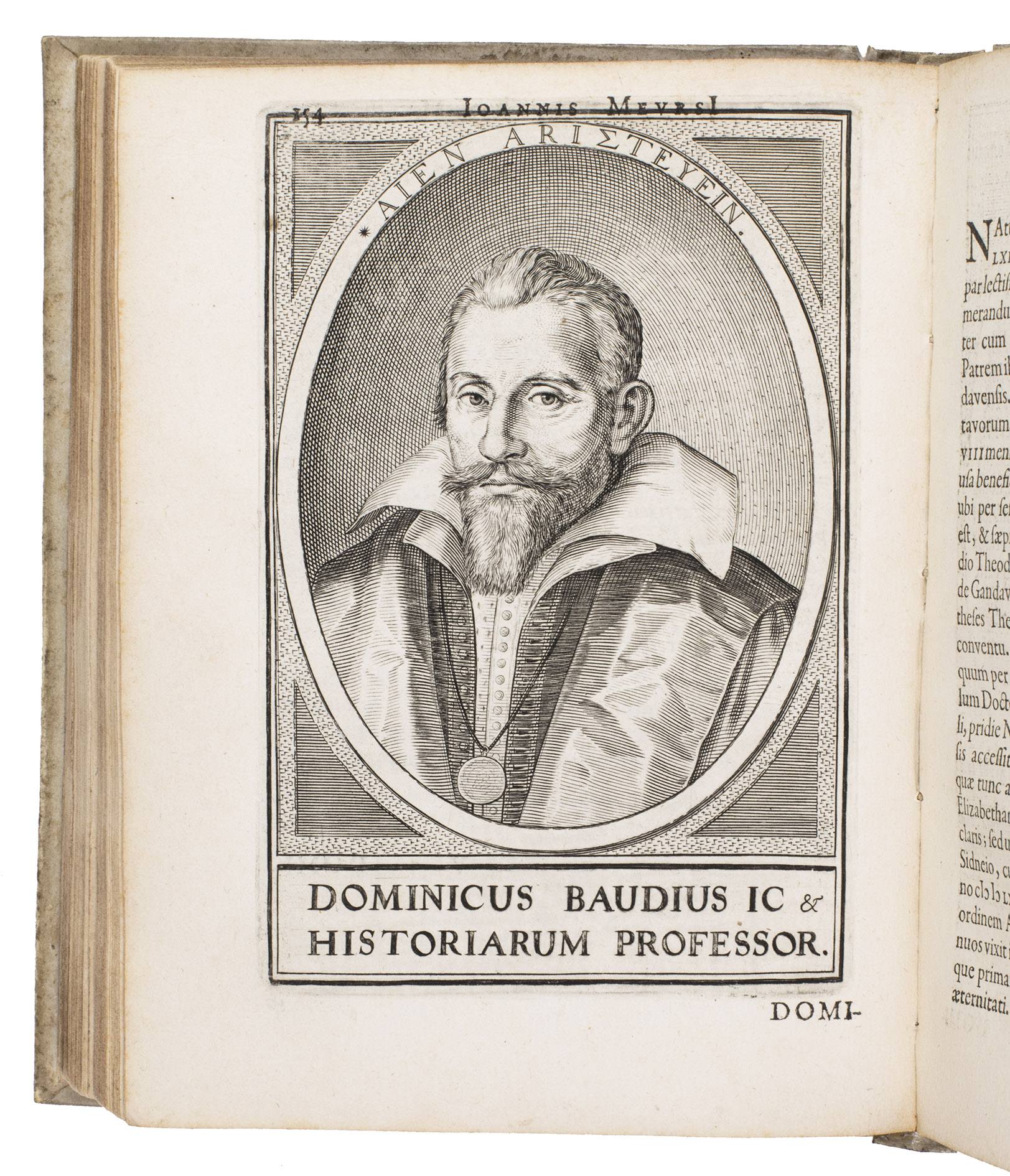
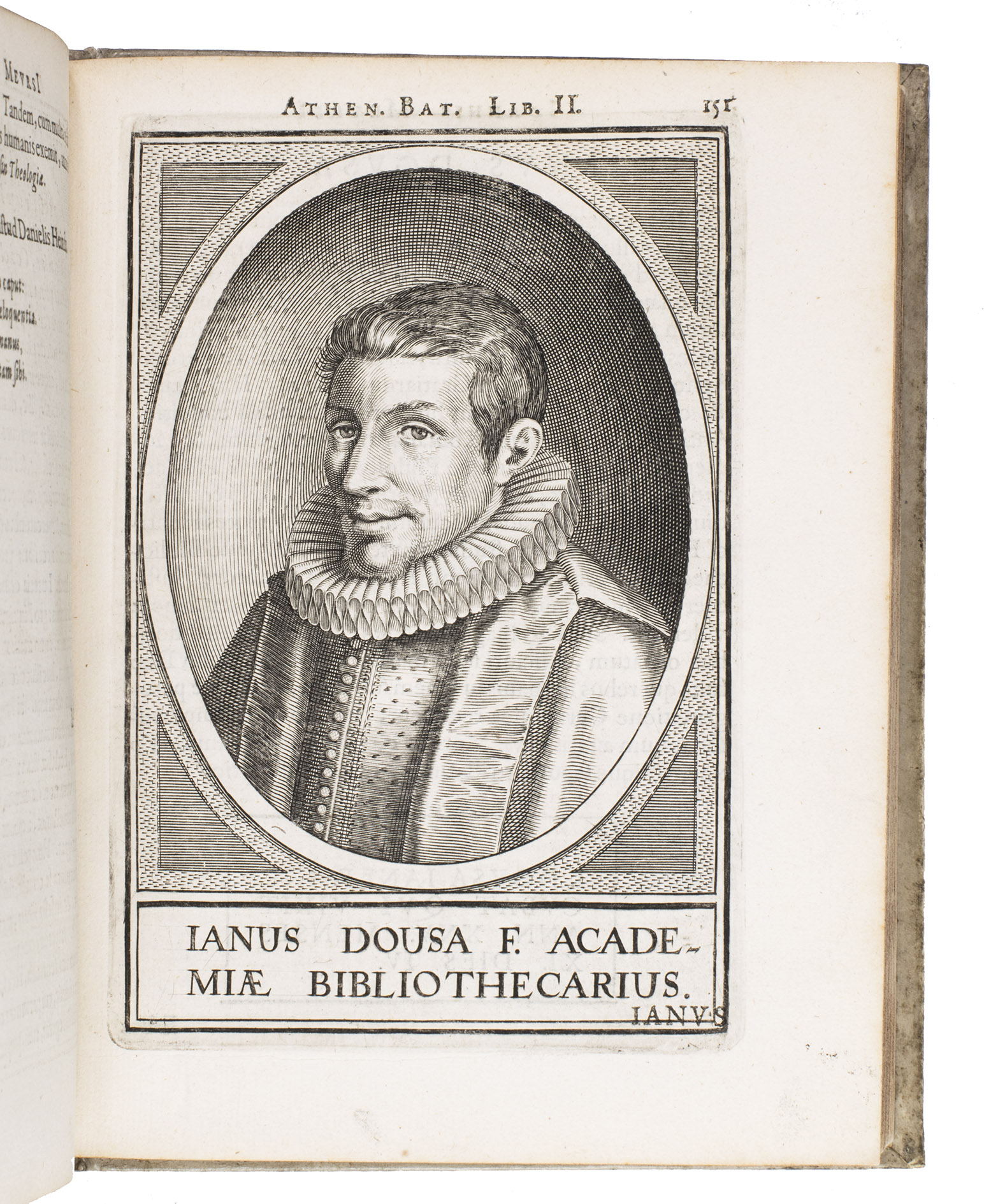
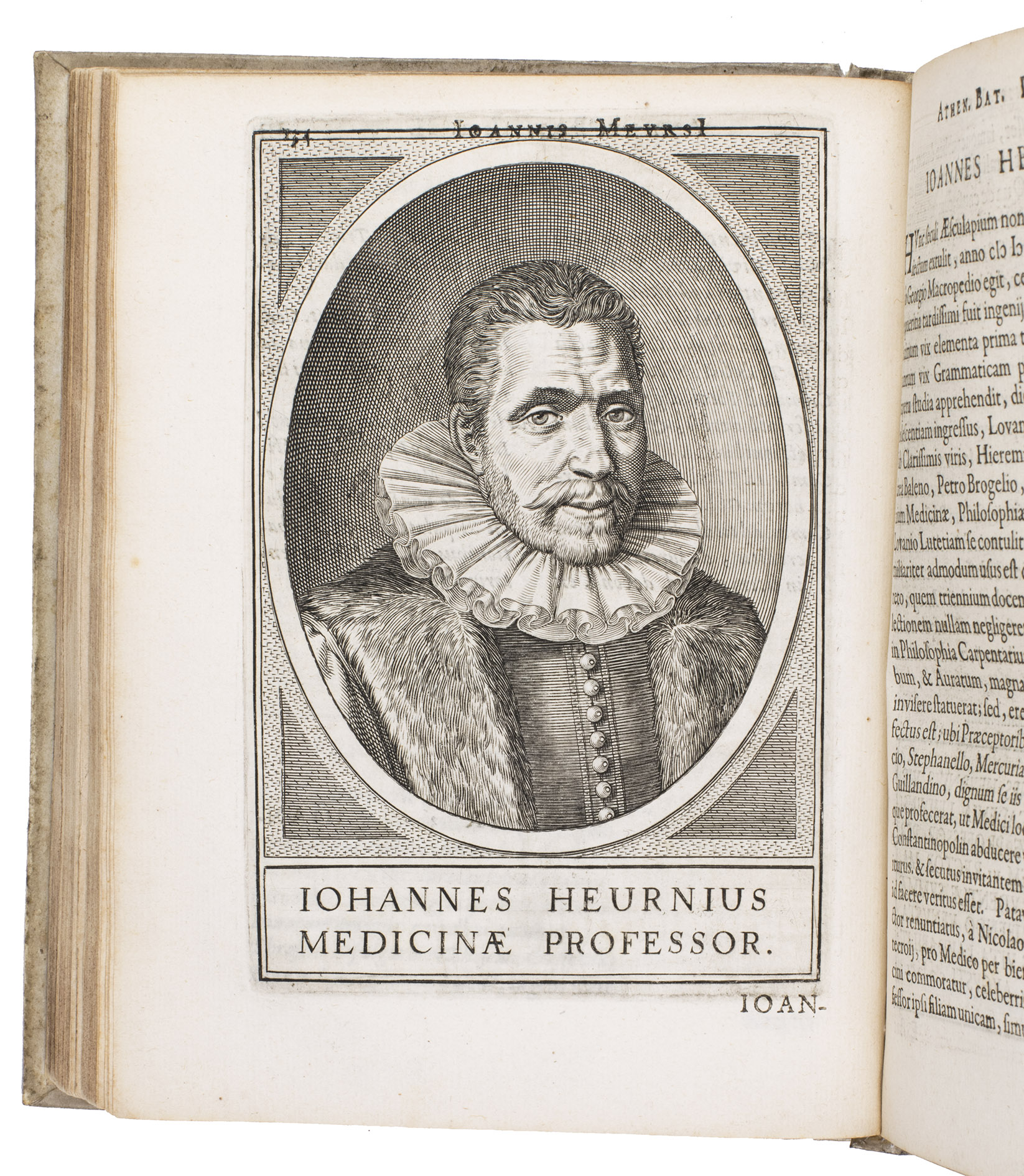
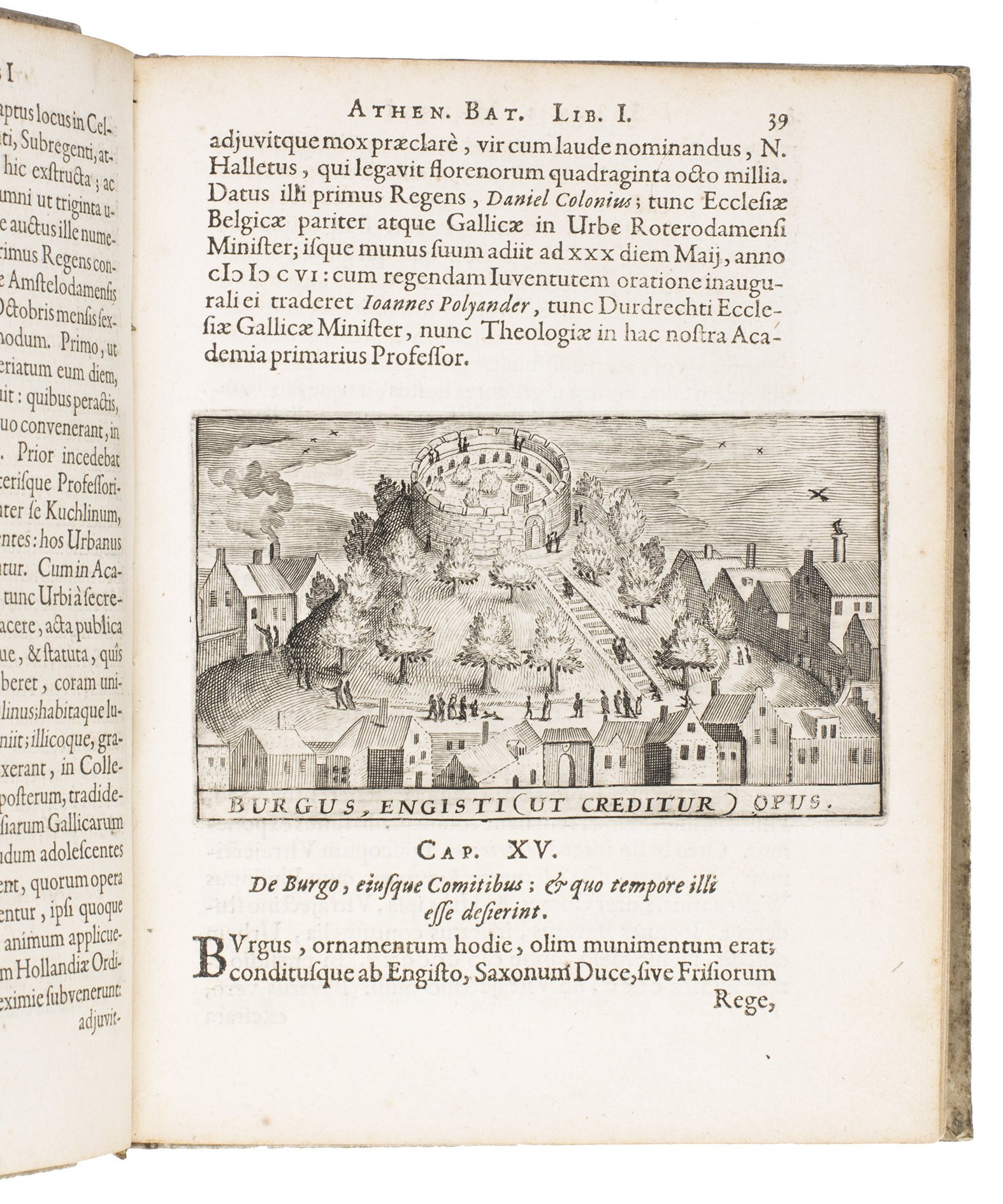
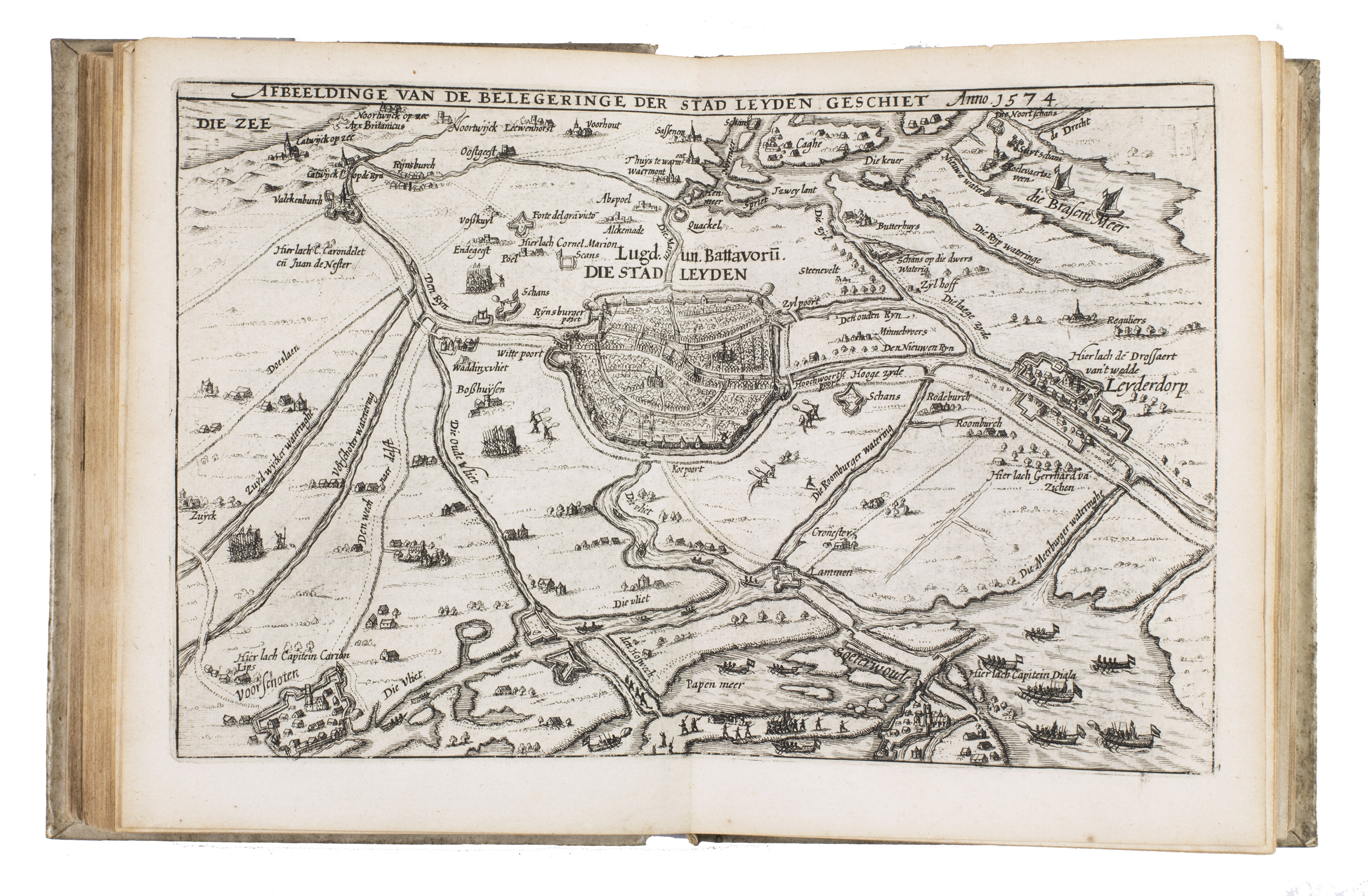
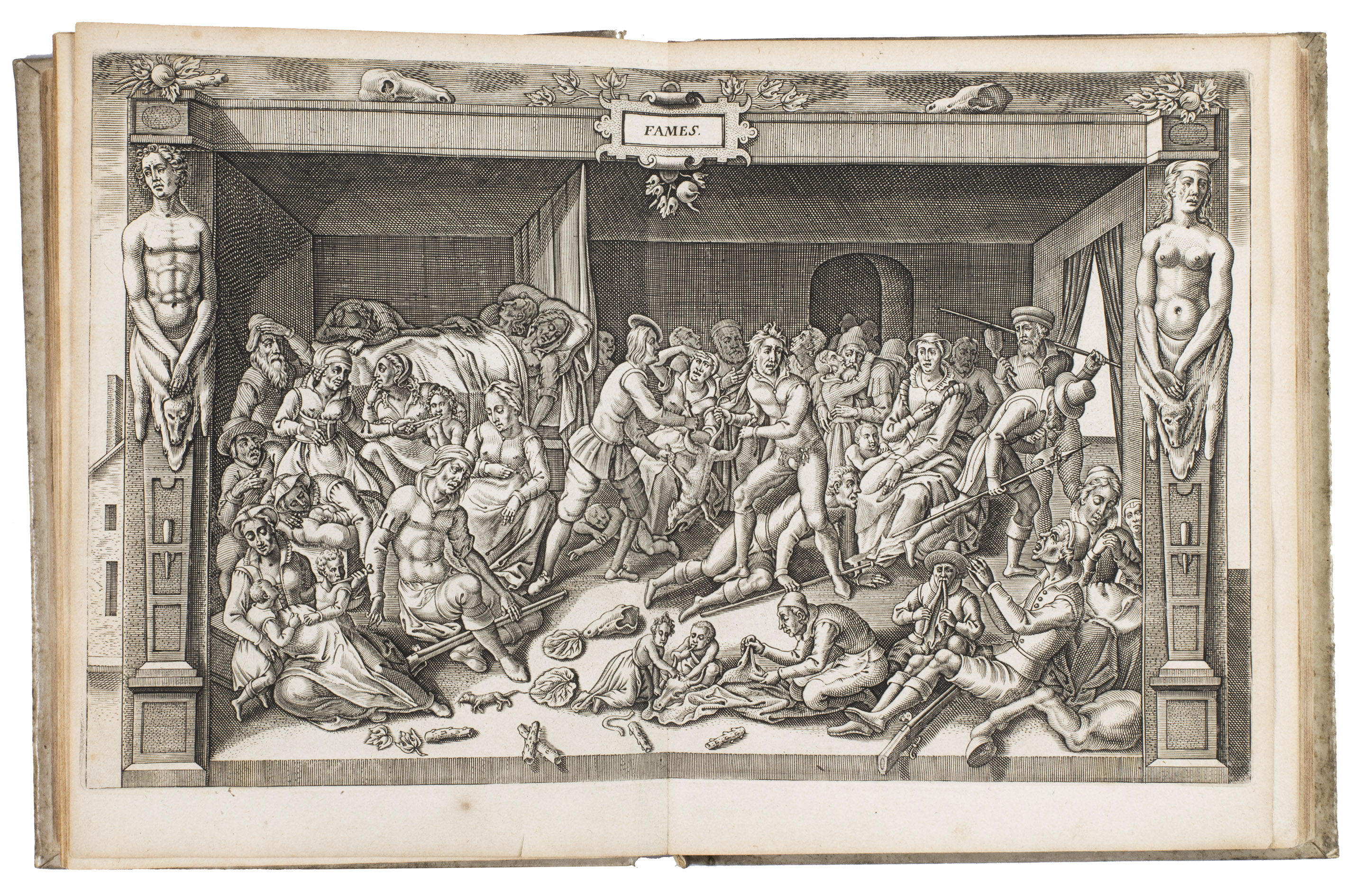
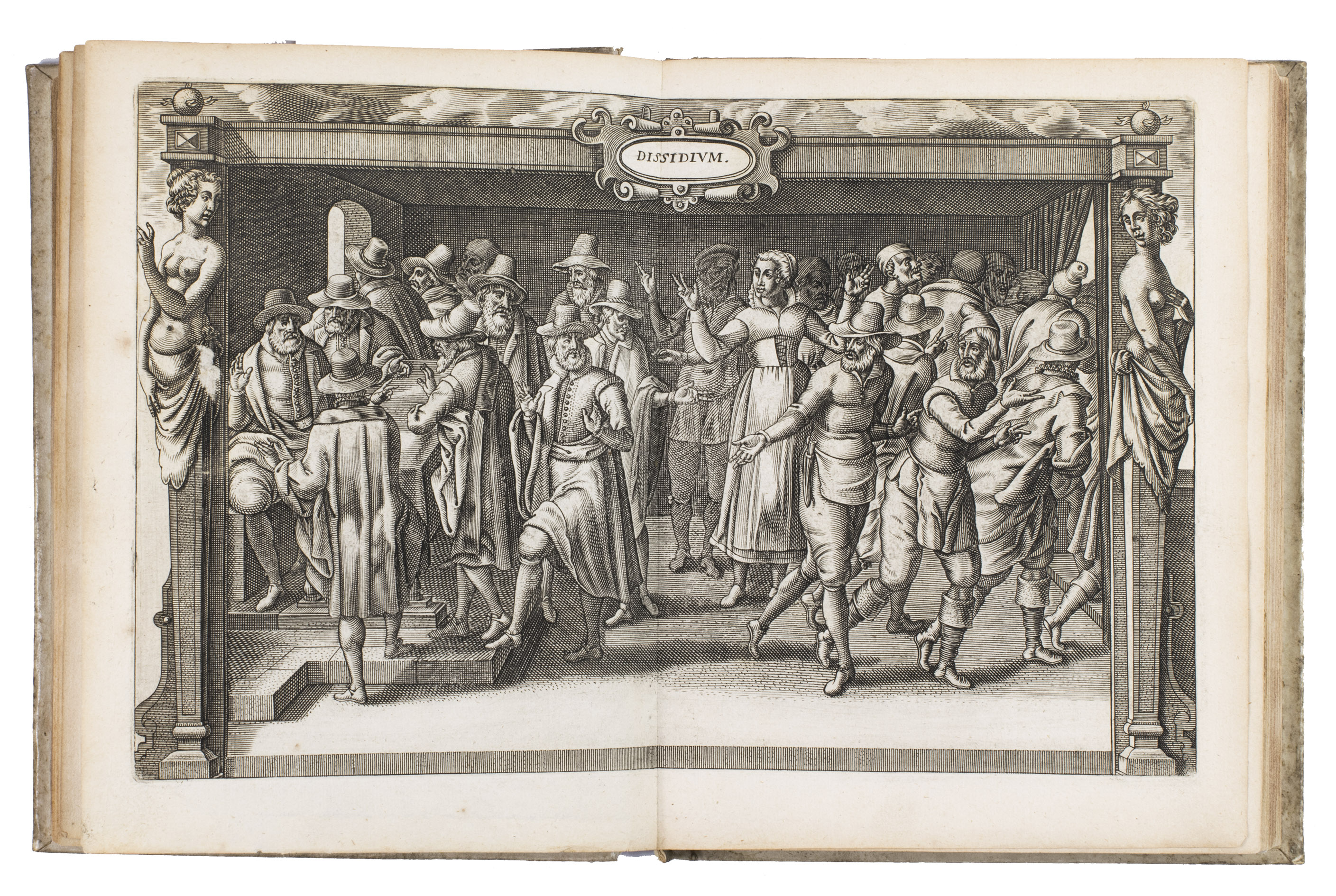
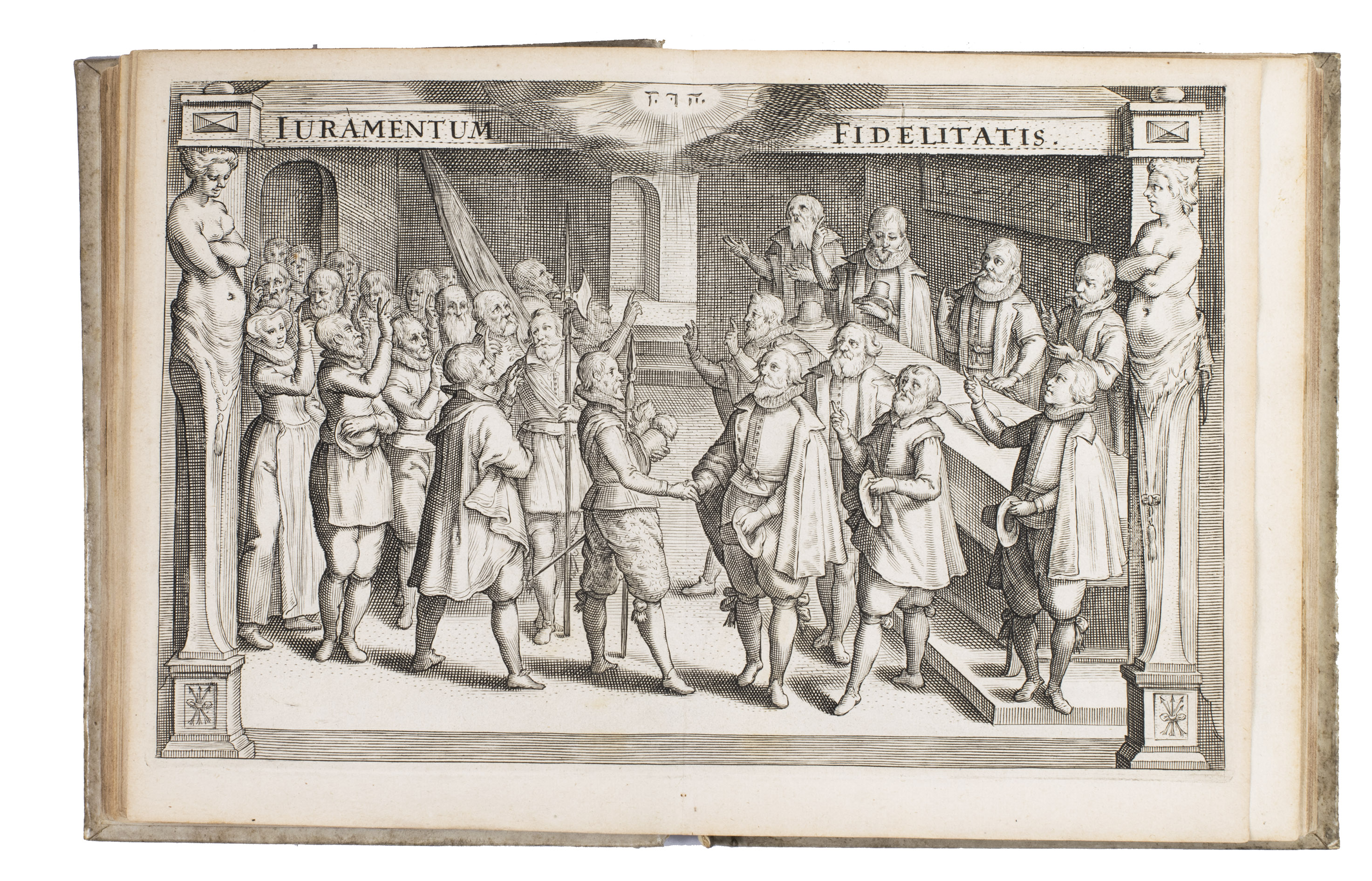
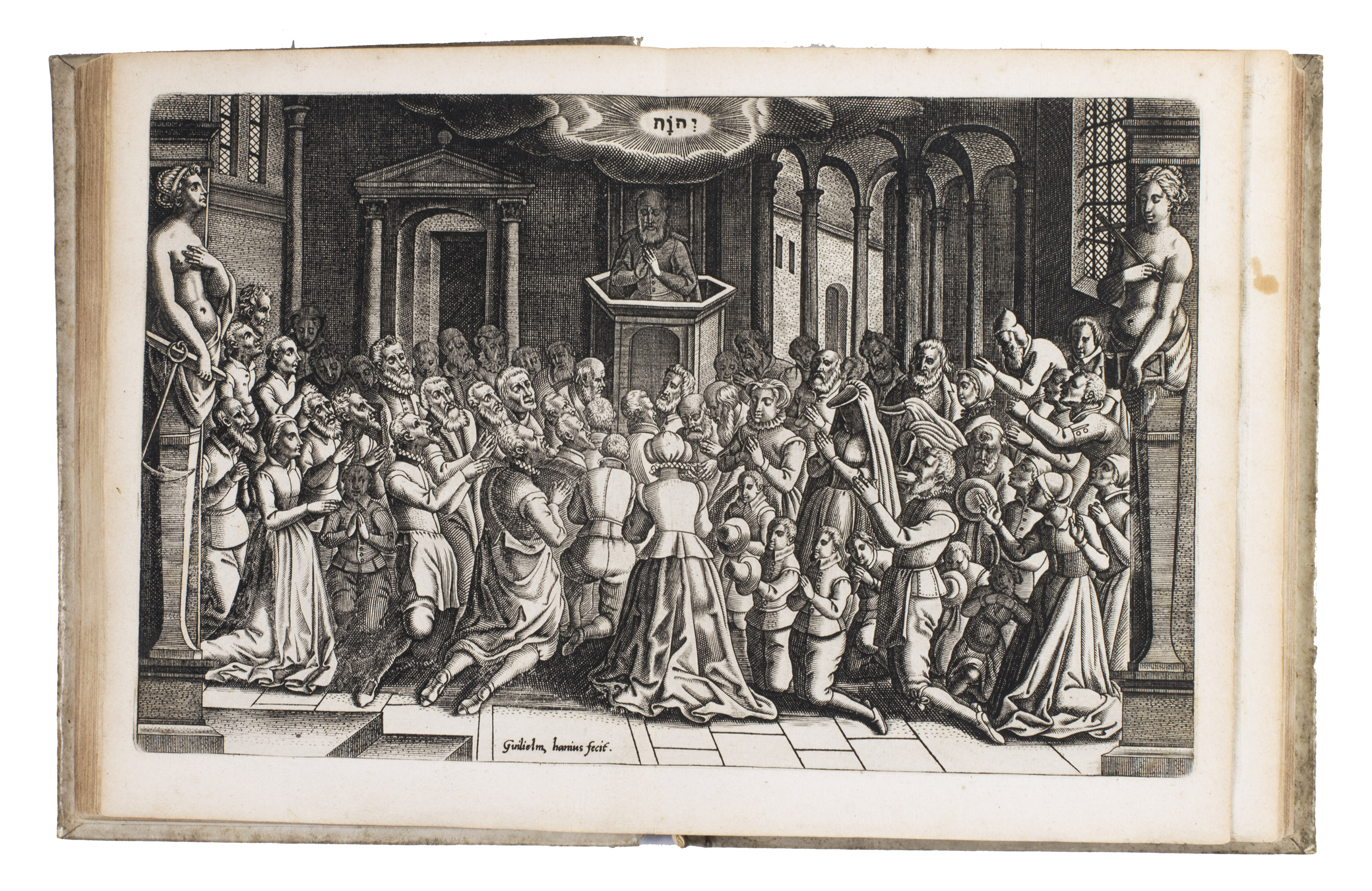
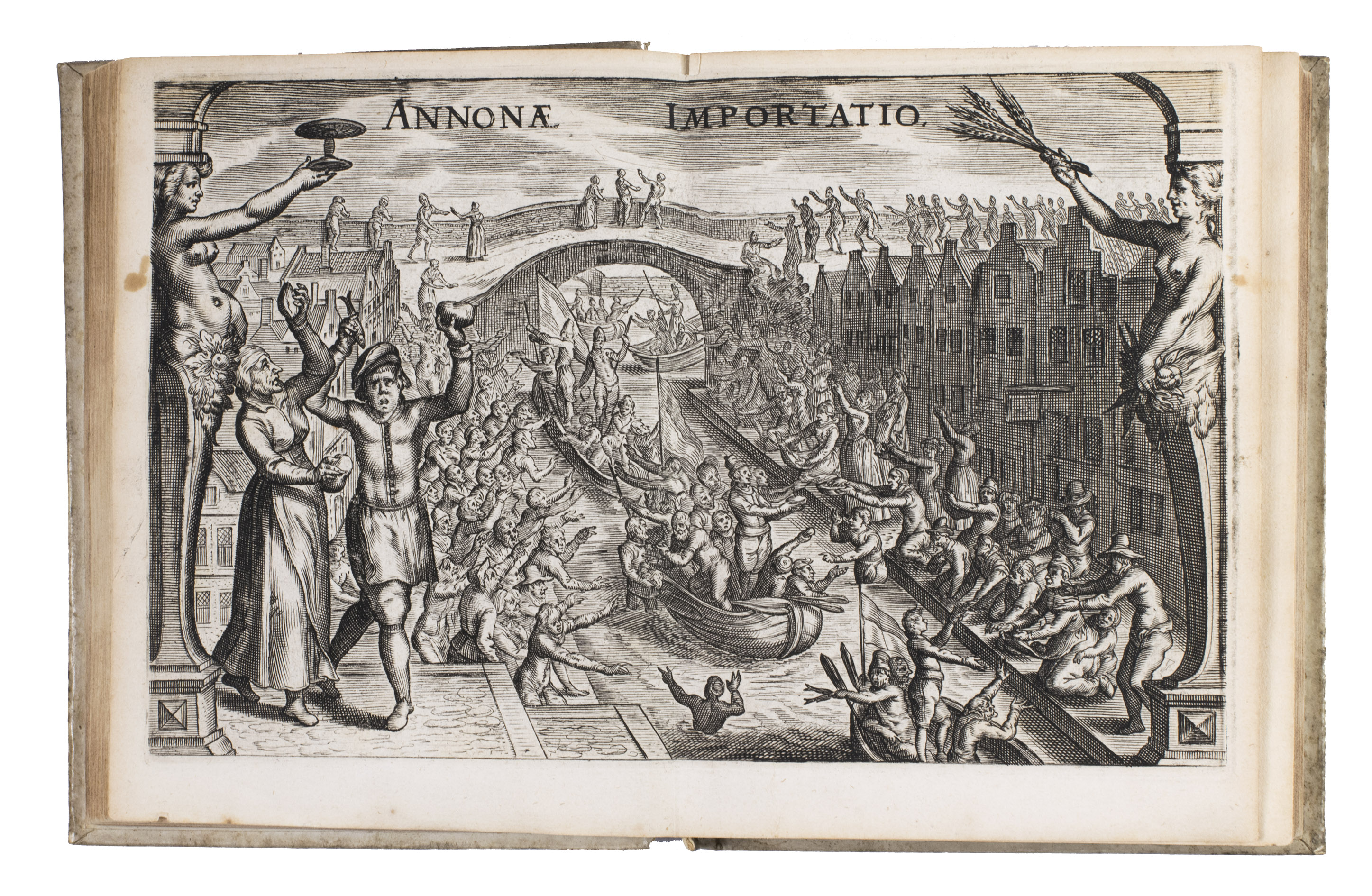
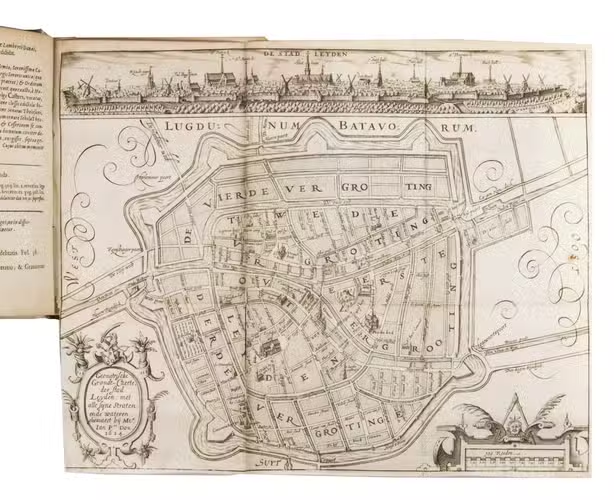
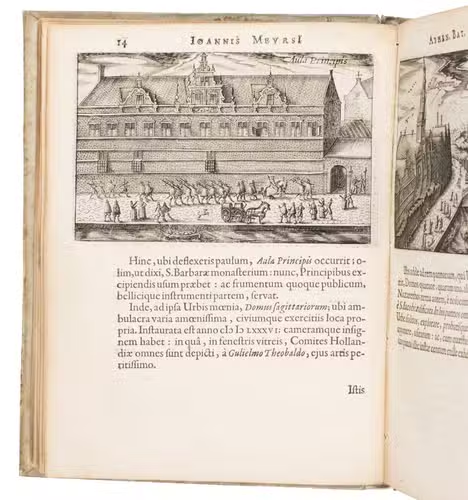
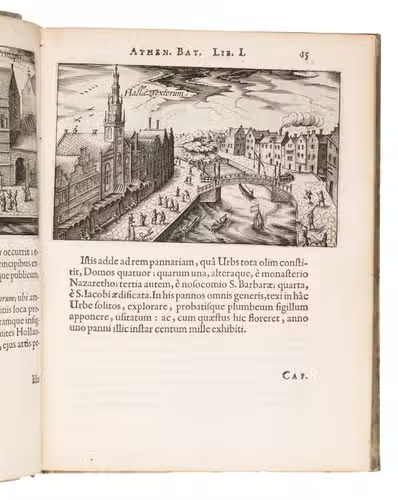
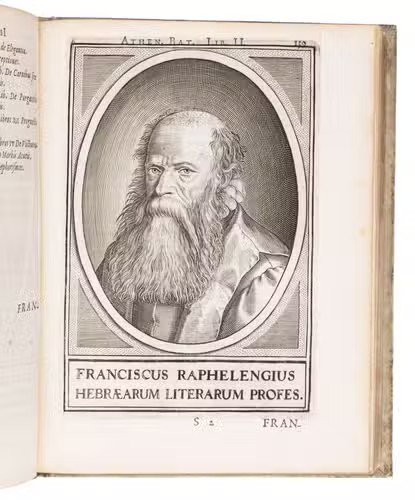
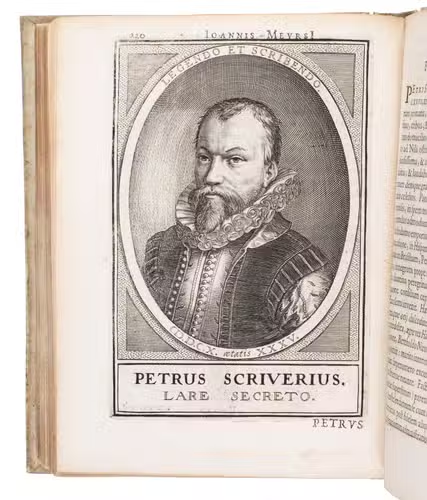
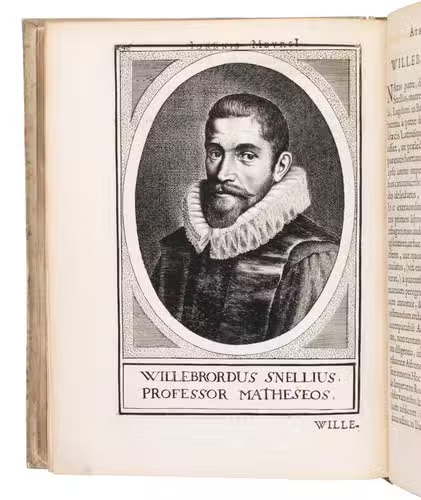
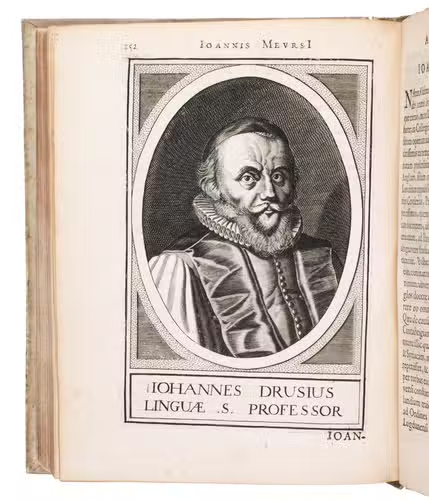
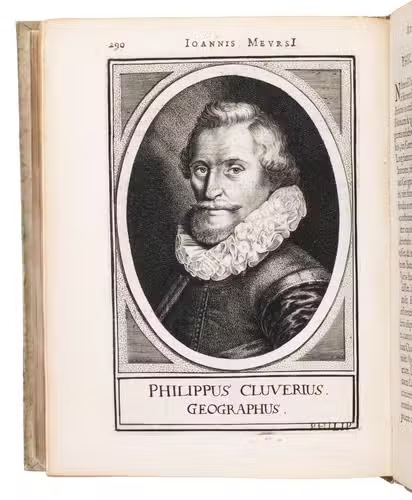
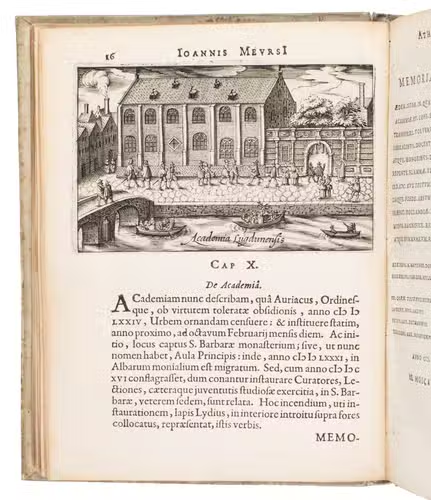
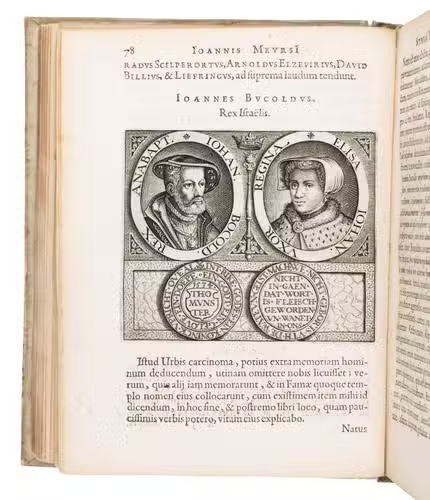
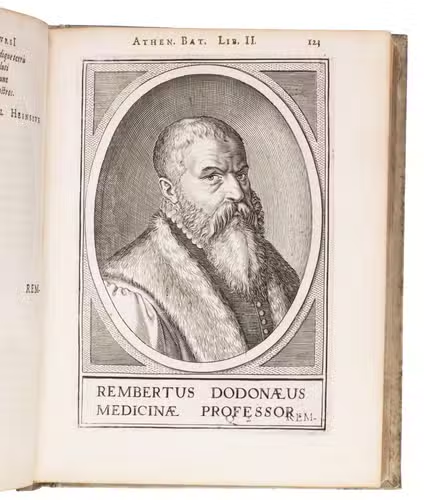
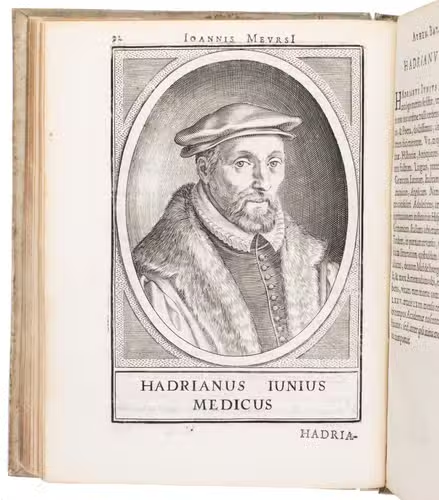
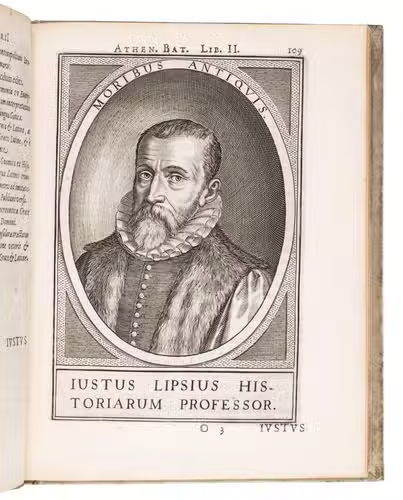
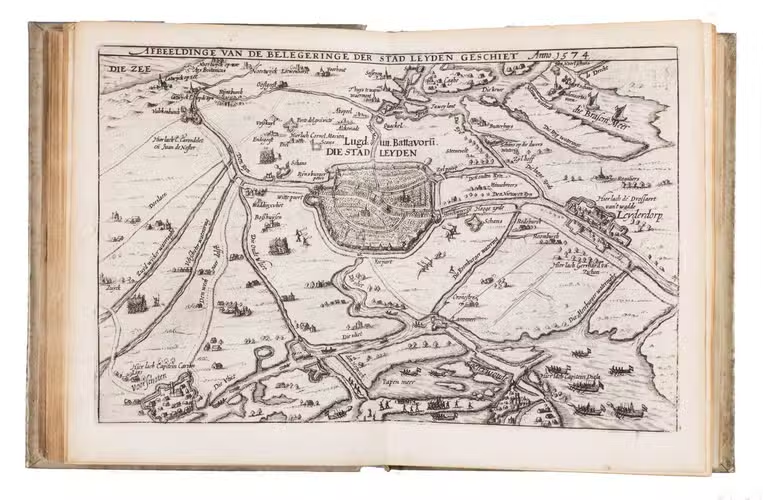
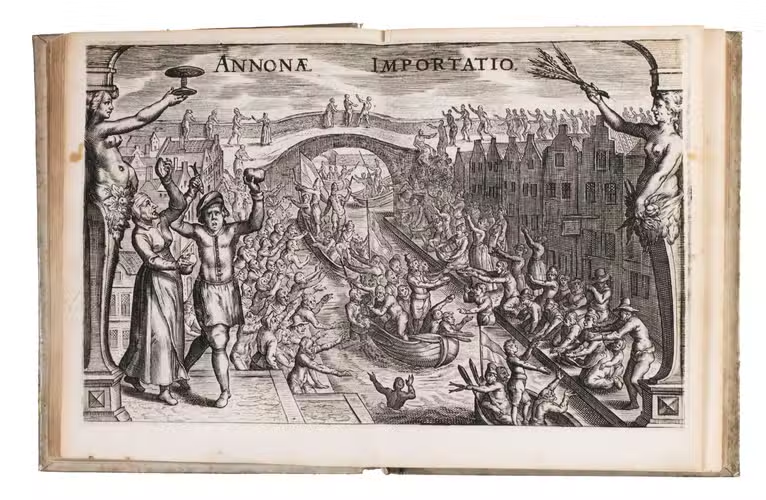
Leiden, Andries Clouck, and Abraham and Bonaventura Elsevier, 1625. 4to. With a total of 52 full-page portraits, of which 2 appear in the text and 50 in the appendix, eight half-page views of Leiden, six double-page plates, two folding maps, and one double-page map, as well as two half-page plates of nobles. On page 53, there is a woodcut illustration of the siege coins of Leiden (1574), an engraved title page, an engraved frame on page 170, and several woodcut initials throughout. Vellum, brown sprinkled edges. [44], 351, [1 blank] pp.
First and only edition of Johannes Meursius' work to appear under the title Athenae Batavae. Published in 1625, the present work is the author's most ambitious and mature work, offering a richly layered portrait of the city of Leiden and its university at the height of the Dutch Golden Age. Written exactly 50 years after the foundation of the University of Leiden, the book stands as both a learned commemoration and a carefully constructed act of intellectual self-positioning.
Meursius (1579-1639), professor of history and Greek at Leiden from 1610 onwards, was deeply embedded in the scholarly networks of his time. A close friend of Hugo Grotius (1583-1645) and a pupil of Joseph Justus Scaliger (1540-1609), he belonged to the inner circle of humanist scholarship that defined Leiden as one of Europe's foremost centres of learning. In Athenae Batavae, Meursius reflects not only on the institution he served, but also on the fragile relationship between scholarship, politics, and memory in the early 17th century.
The work opens with a concise description of the city of Leiden, largely derived from Jan Orlers' (1570-1646) Beschrijvinge der Stad Leiden (1614), before expanding into a comprehensive account of the university, its buildings, ceremonies and intellectual traditions. At its heart, however, lies an extensive biographical gallery of the men who shaped the university's reputation: founders, curators, professors, and scholars whose writings and teaching illuminated both the city and its academy.
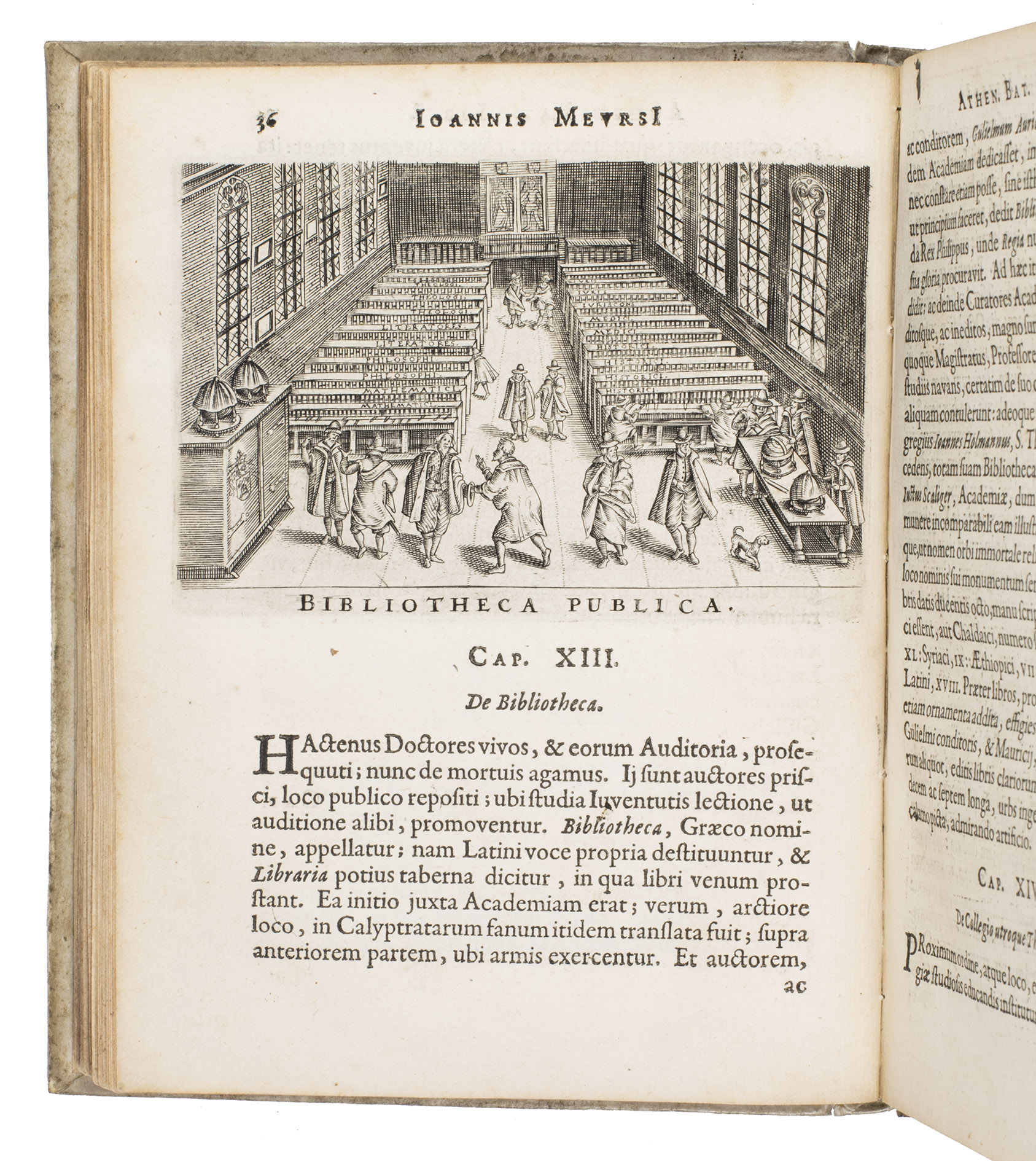
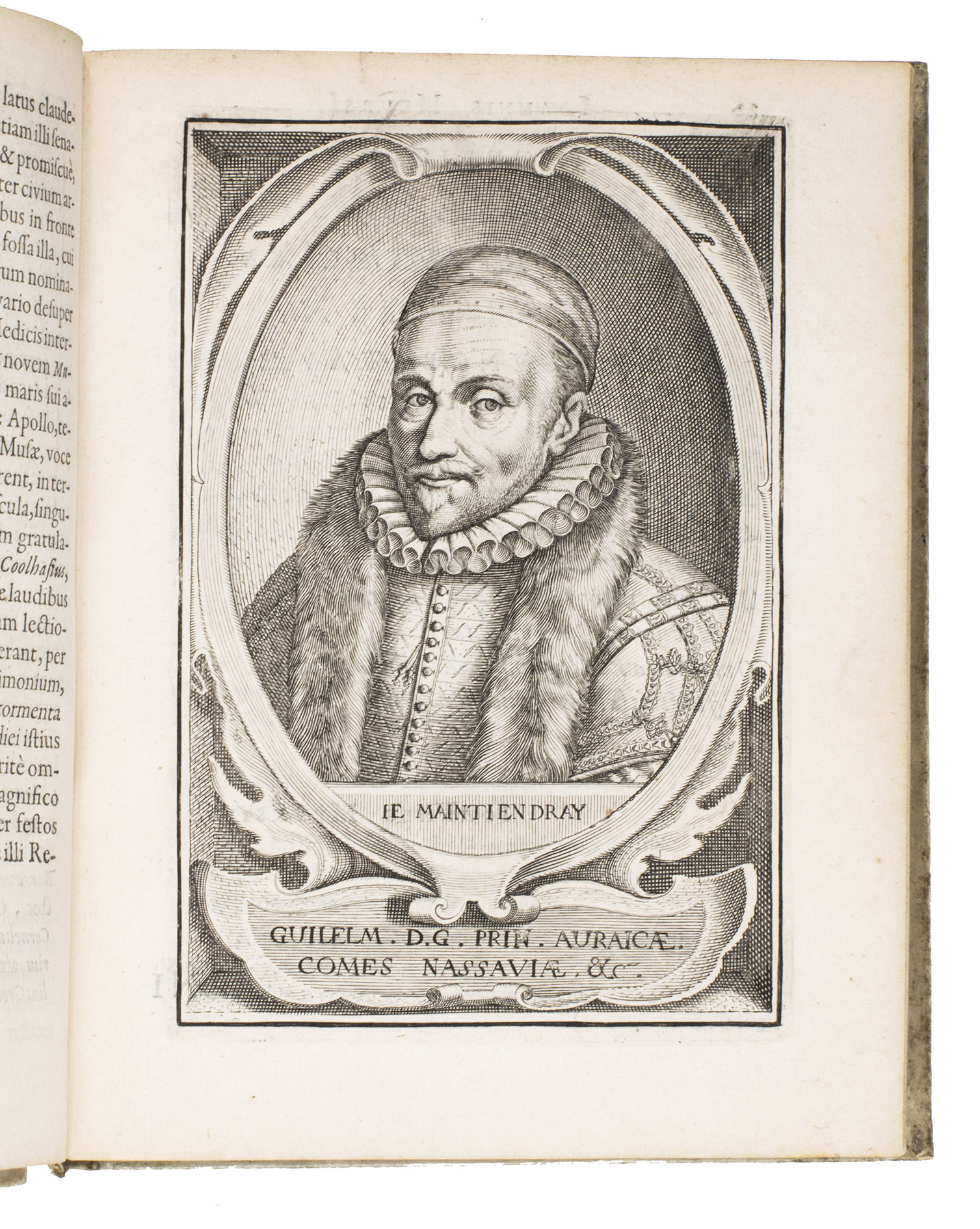
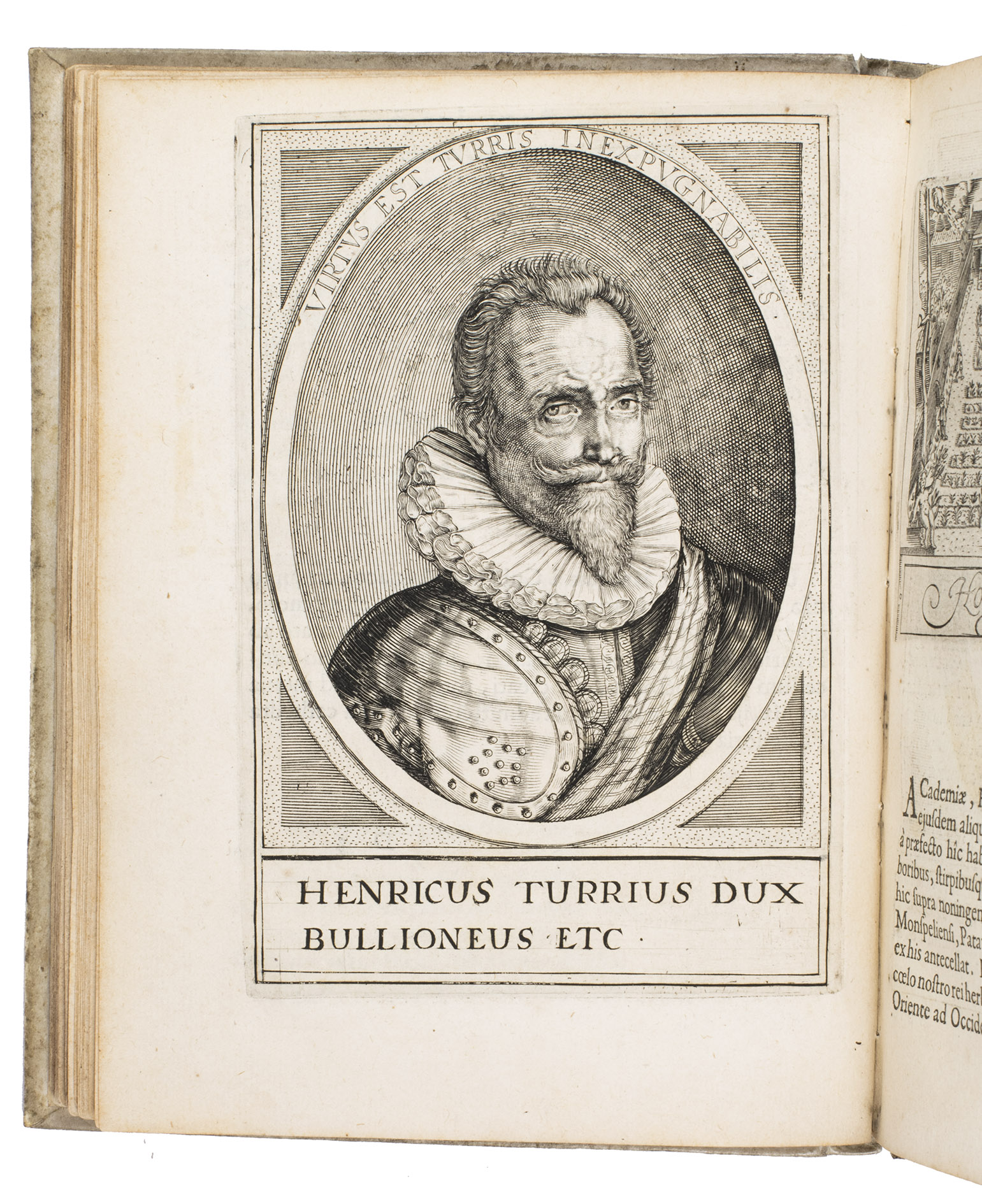
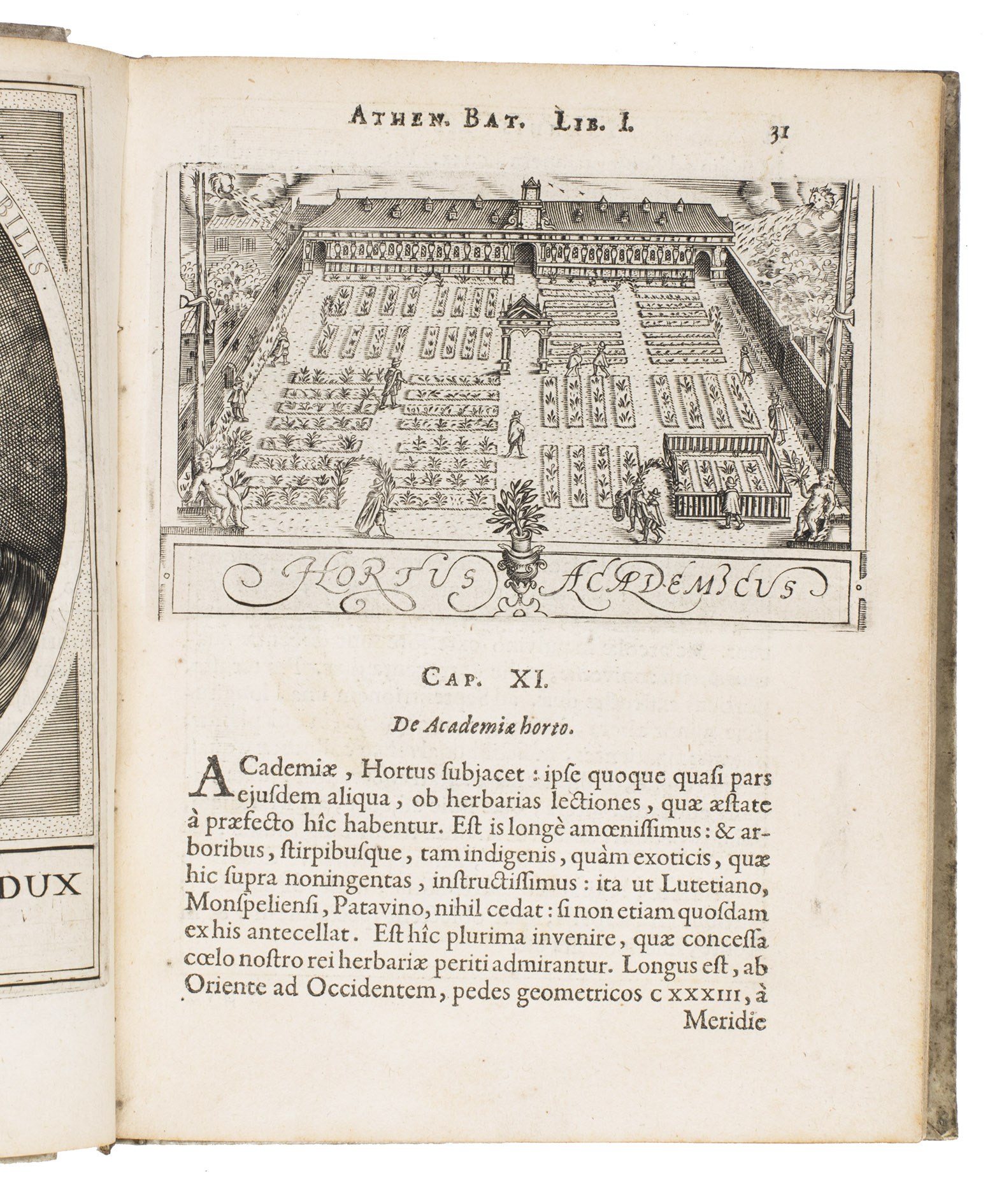
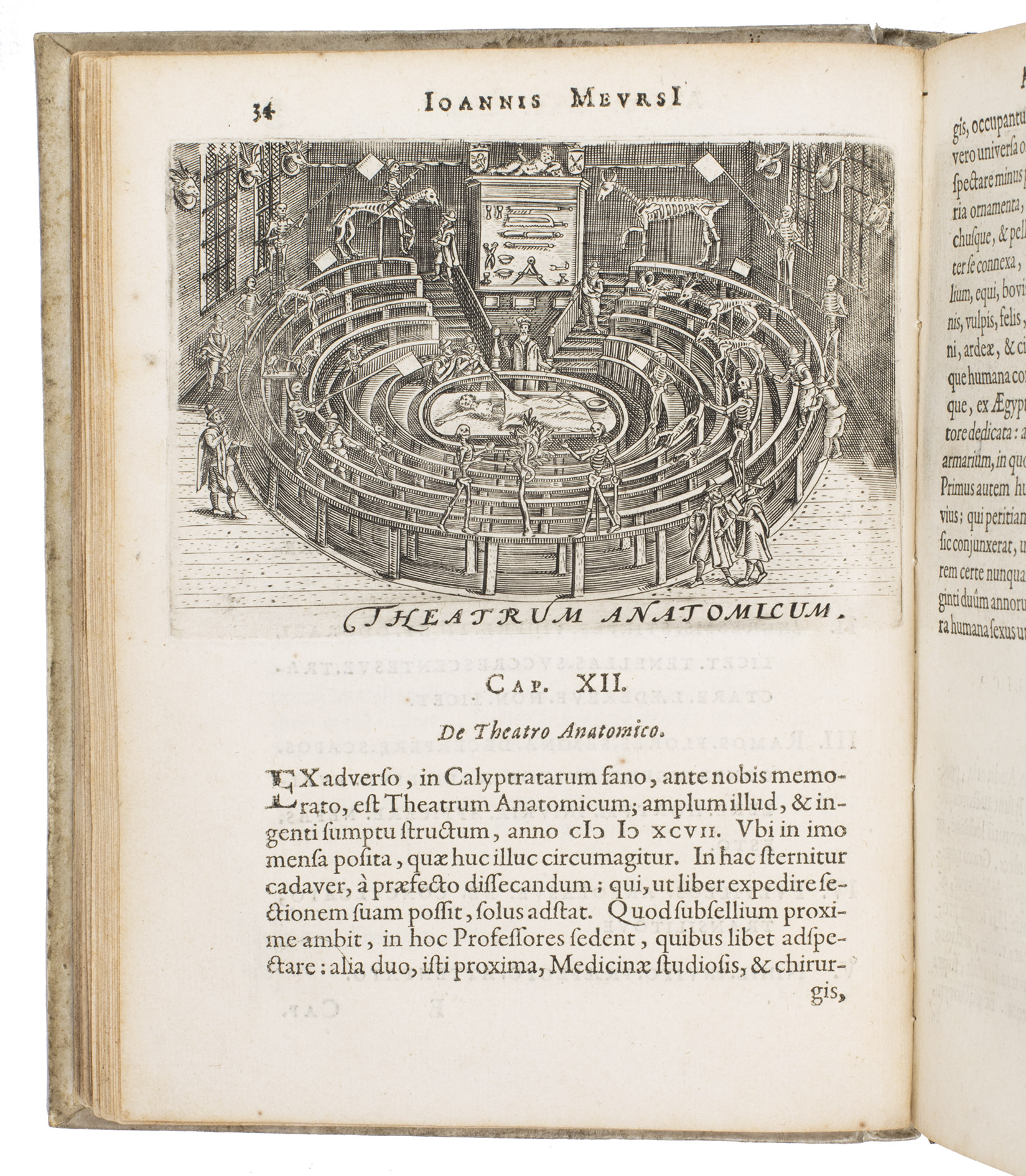
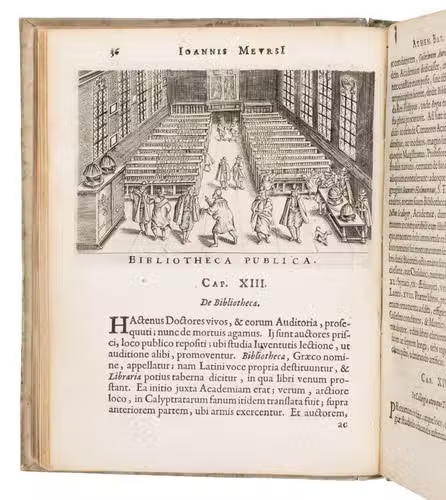
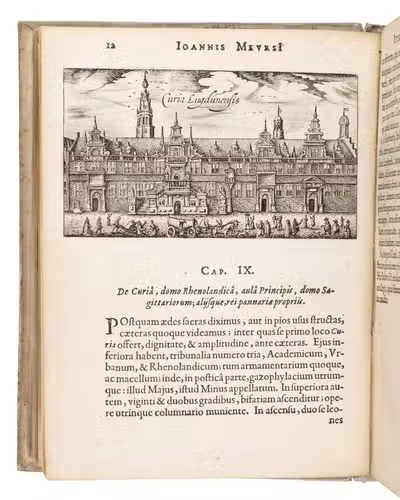
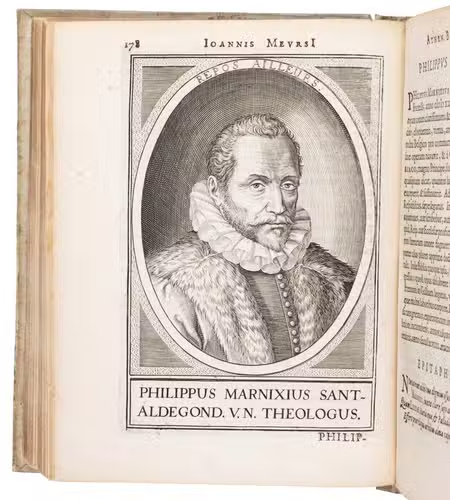
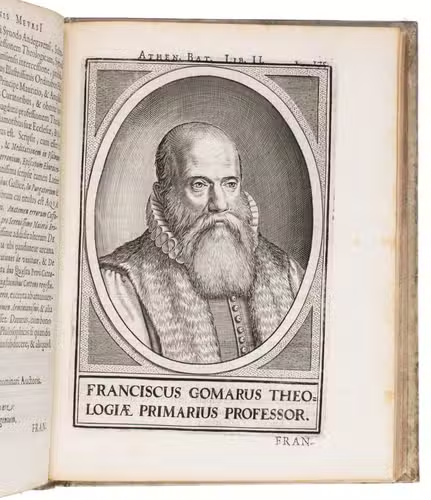
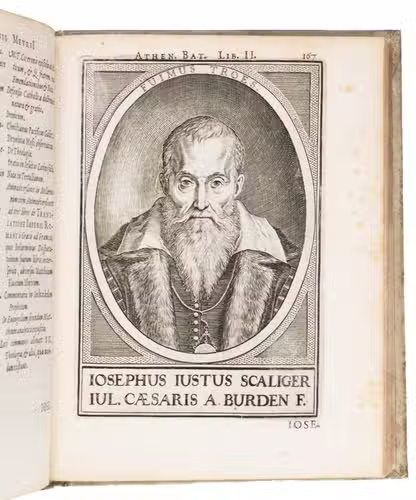
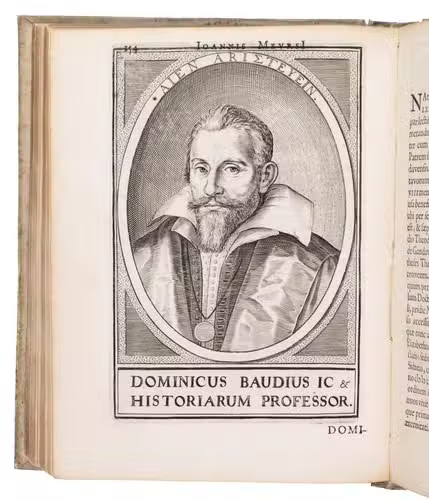
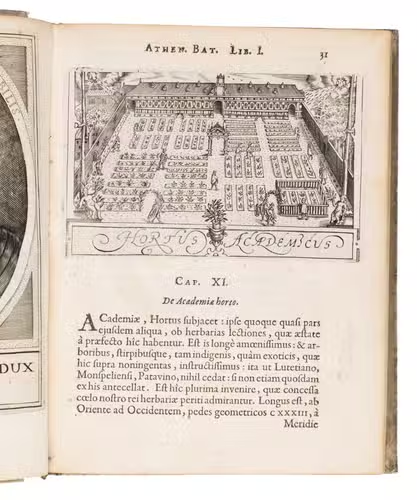
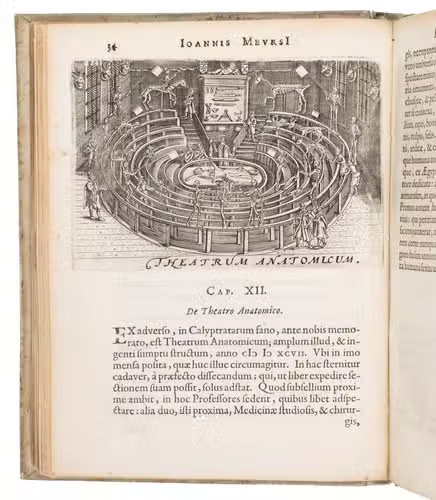
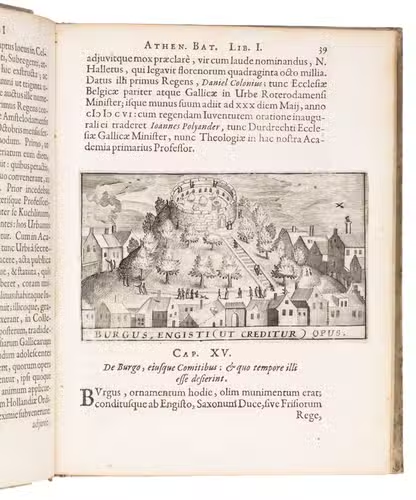
The book is lavishly illustrated, with views of Leiden, key academic buildings such as the Academy, the library, and the anatomical theatre, and a remarkable series of portraits of nobles, professors and scholars associated with the university. The original series of portraits, designed by Willem van Swanenburg (1580-1612), was deliberately preserved intact, later additions in the appendix were engraved by members of the De Passe family, ensuring stylistic continuity while updating the historical record.
The present copy bears a contemporary ownership inscription of Willem (van der) Goes (1611-1686), Lord of Boekhorst, Dutch jurist and councillor of the Court of Holland. Goes is securely identifiable as the learned magistrate and statesman active in the political and legal life of the Dutch Republic during the mid-17th-century. Goes was also a highly respected legal scholar and author, publishing several influential juridical and philological works, including Specimen controversiae (1646), Rei agrariae auctores (1674), and Pontius Pilatus Iudex (1677). However, he is best known as one of the judges who pronounced the death sentence on Cornelis de Witt (1623-1672) in 1672.
With an early ownership inscription at the head of the title page, slightly shaved but still legible, reading "Sum Willem Goes", referring to Willem (van der) Goes, Lord of Boekhorst. A further contemporary manuscript annotation in the same hand appears on the otherwise final blank leaf, identifying several individuals depicted in the engraved portraits and supplying additional biographical information, including references to Lambertus Danaeus (p. 127) and Dominicus Badius (p. 155). The binding is slightly stained, the spine slightly rubbed, and the head and foot of the spine are slightly damaged. Further with a water stain in the gutter margin of the engraved title page and first few leaves of the dedication, a small tear is present in the first folding map, some occasional light staining and browning. Otherwise in good condition. Rahir, Les Elzévier, nr. 200; STCN 060867779; Tolsma, "Van icones tot effigies: de in 1609 in boekvorm uitgegeven portrettencollectie van Leidse geleerden en haar navolgers", (2016), pp. 101-147; USTC 1011745; Van Someren I, 145; Willems 237.
