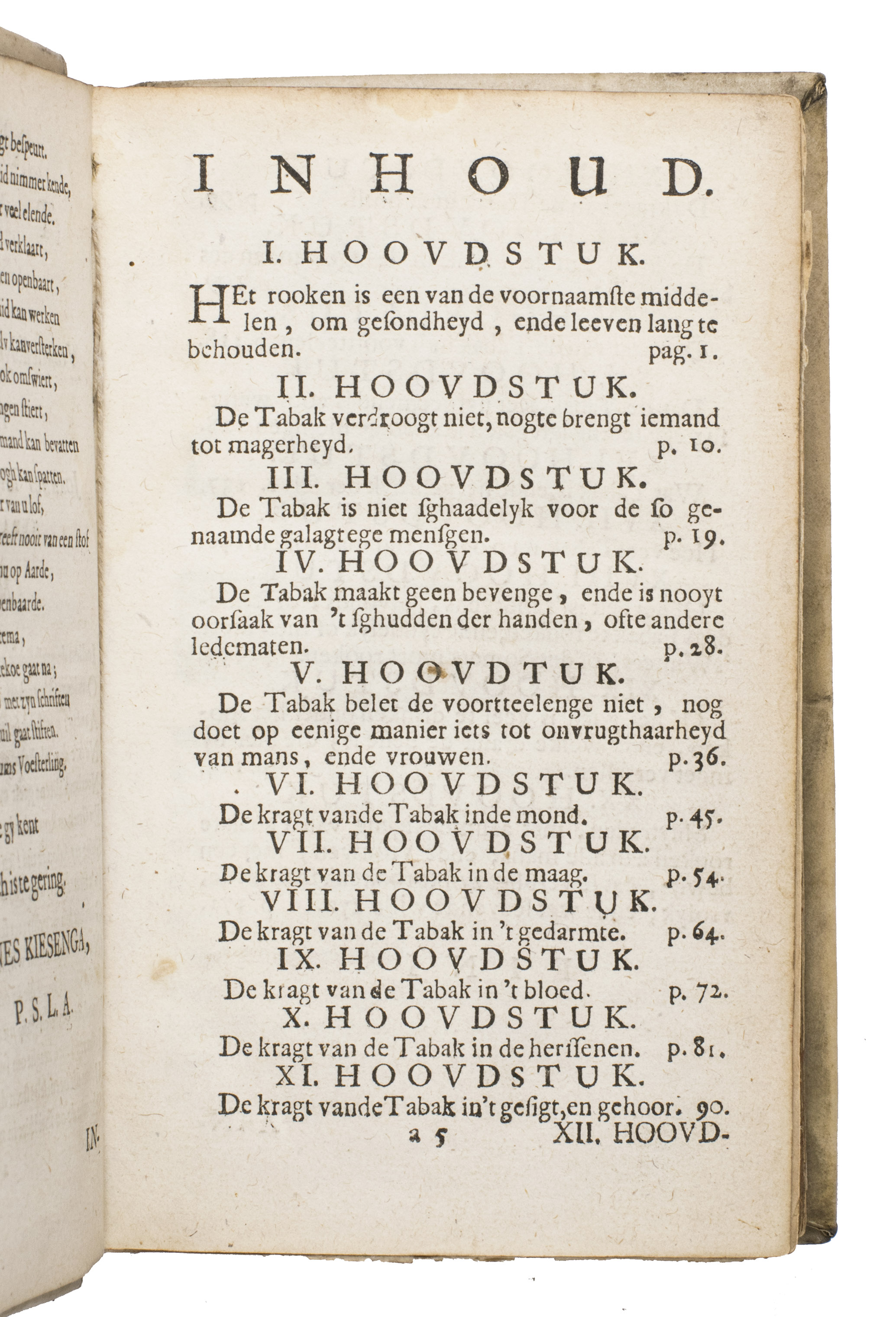
RHYNE, Willem ten.
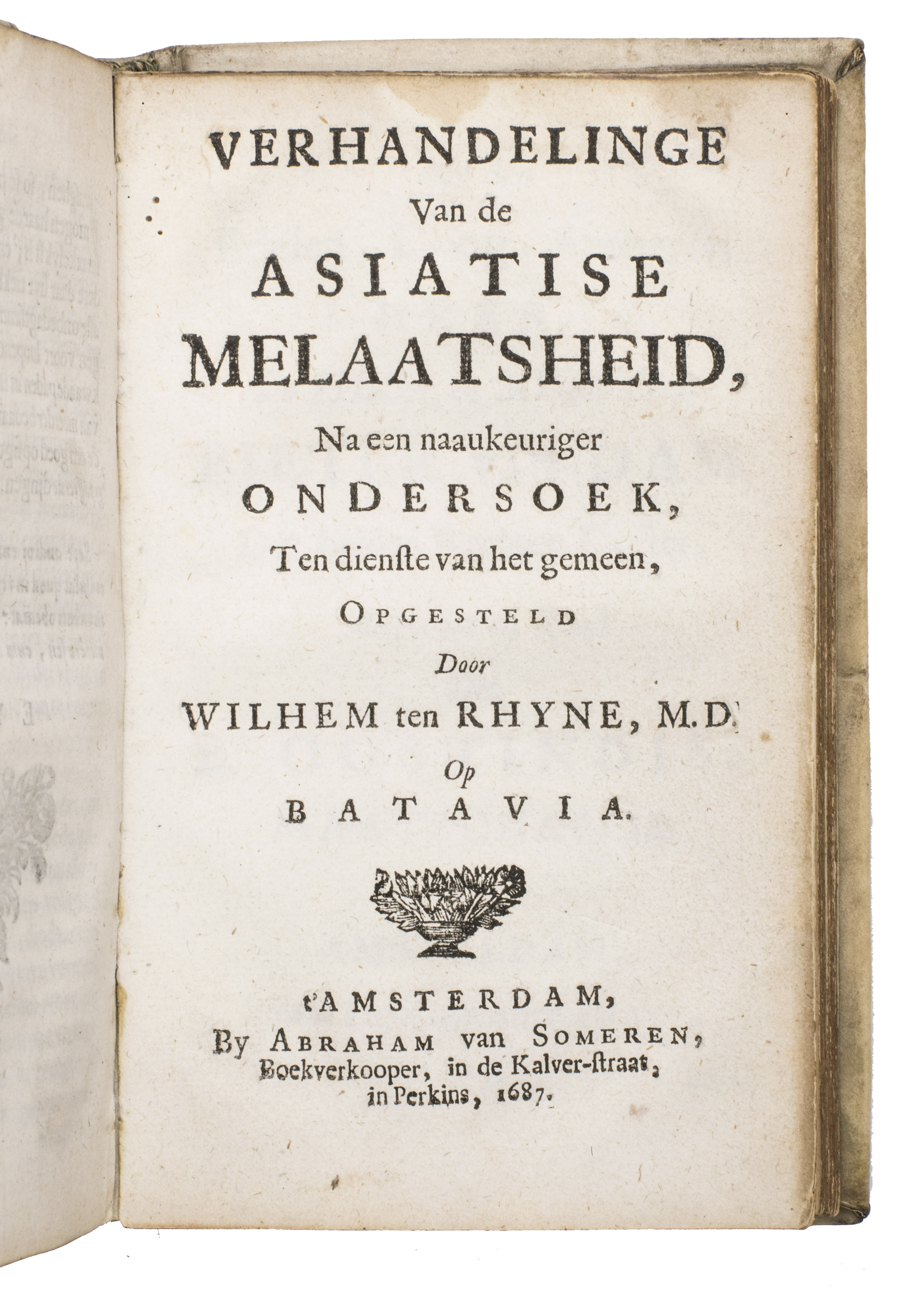
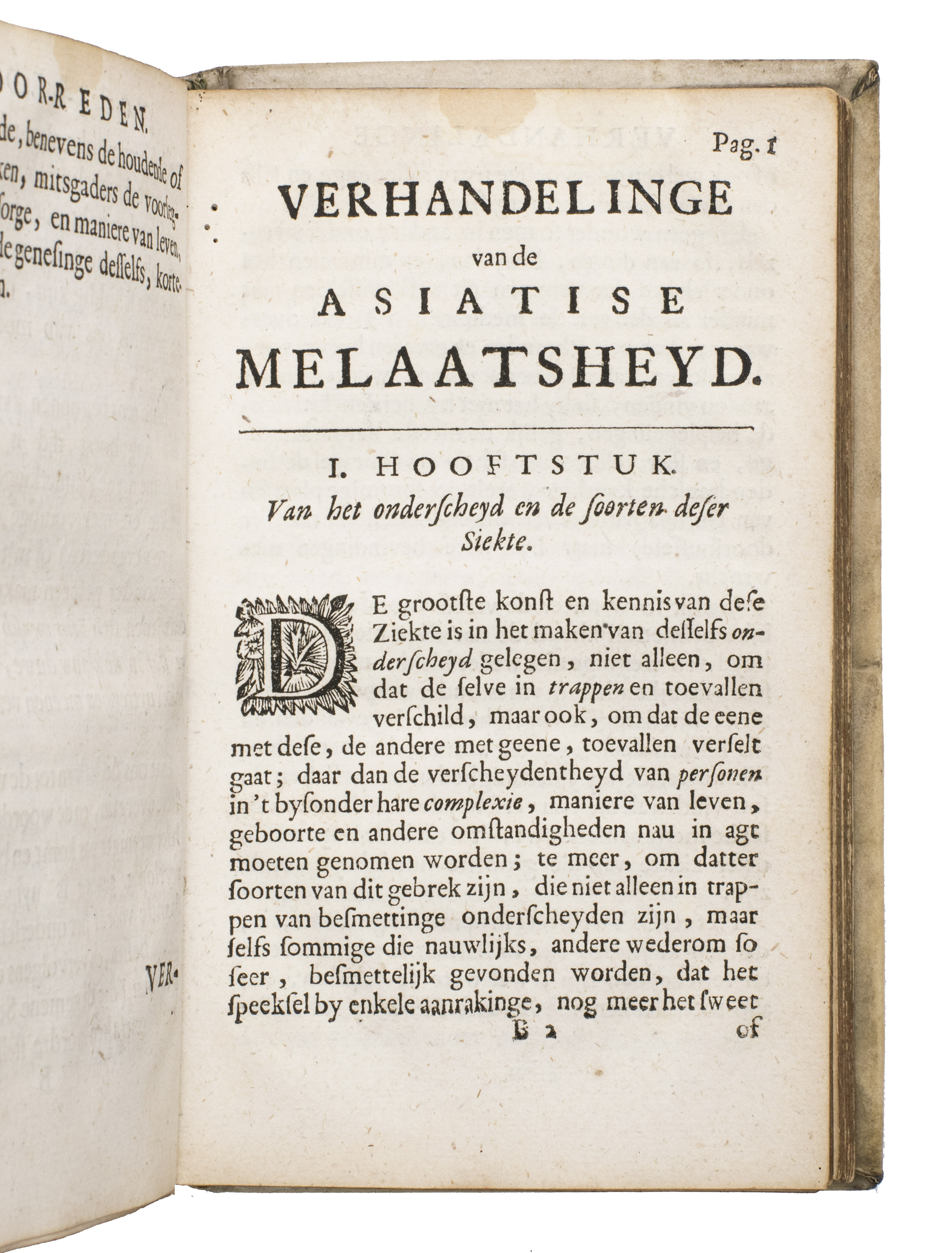
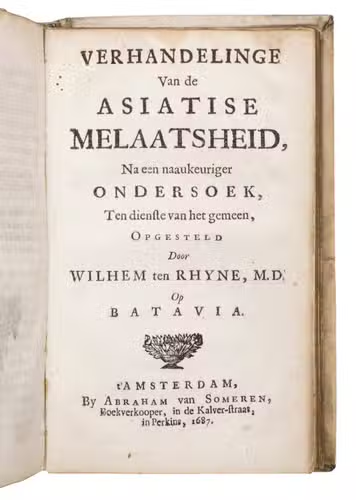
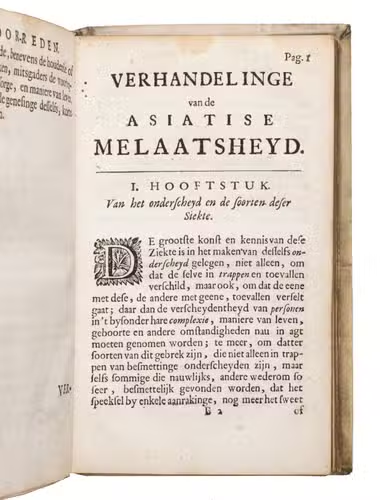
Verhandelinge van de Asiatise melaatsheid, na een naaukeuriger ondersoek ten dienste van het gemeen.
Amsterdam, Abraham van Someren, 1687.
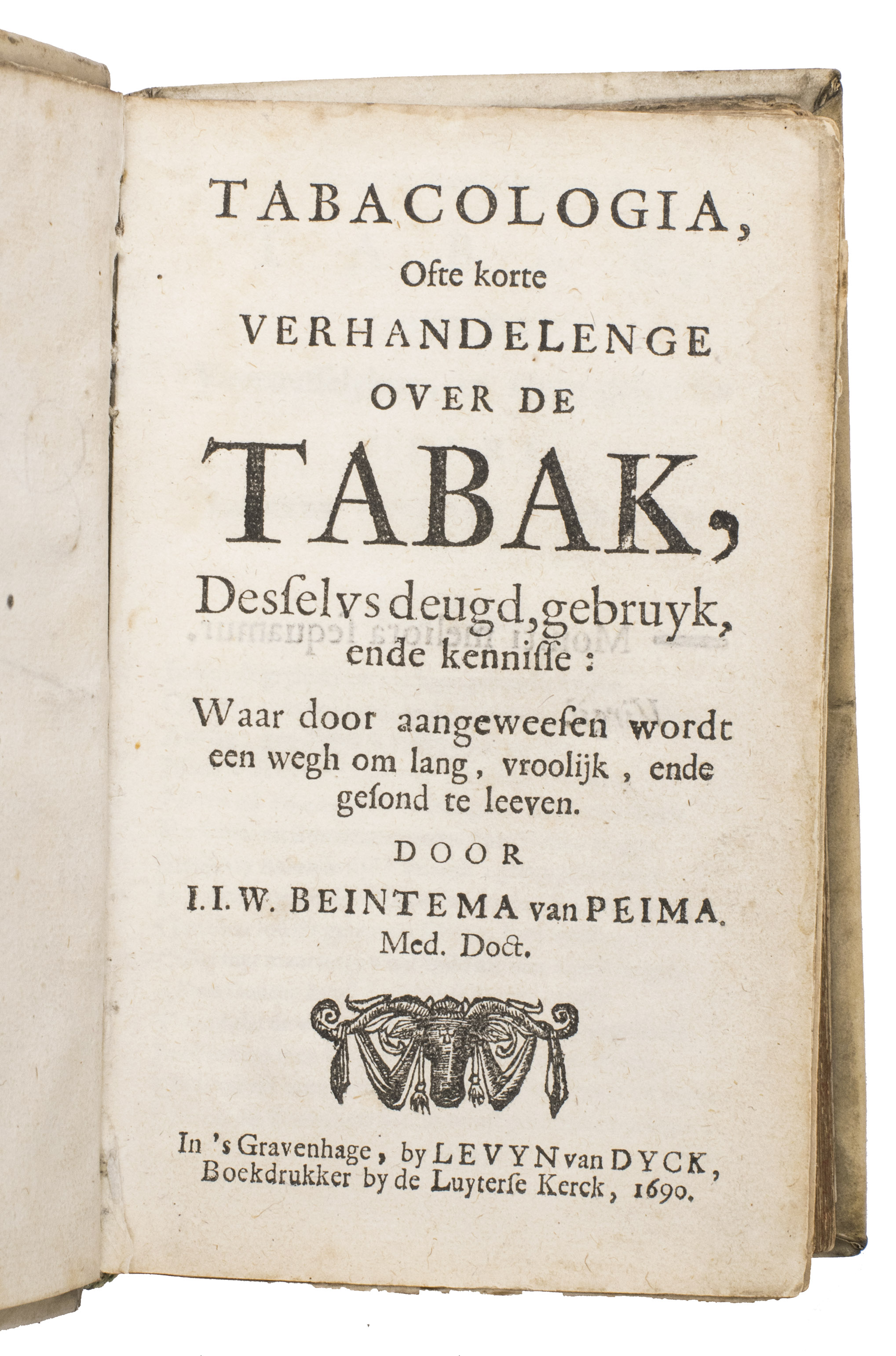
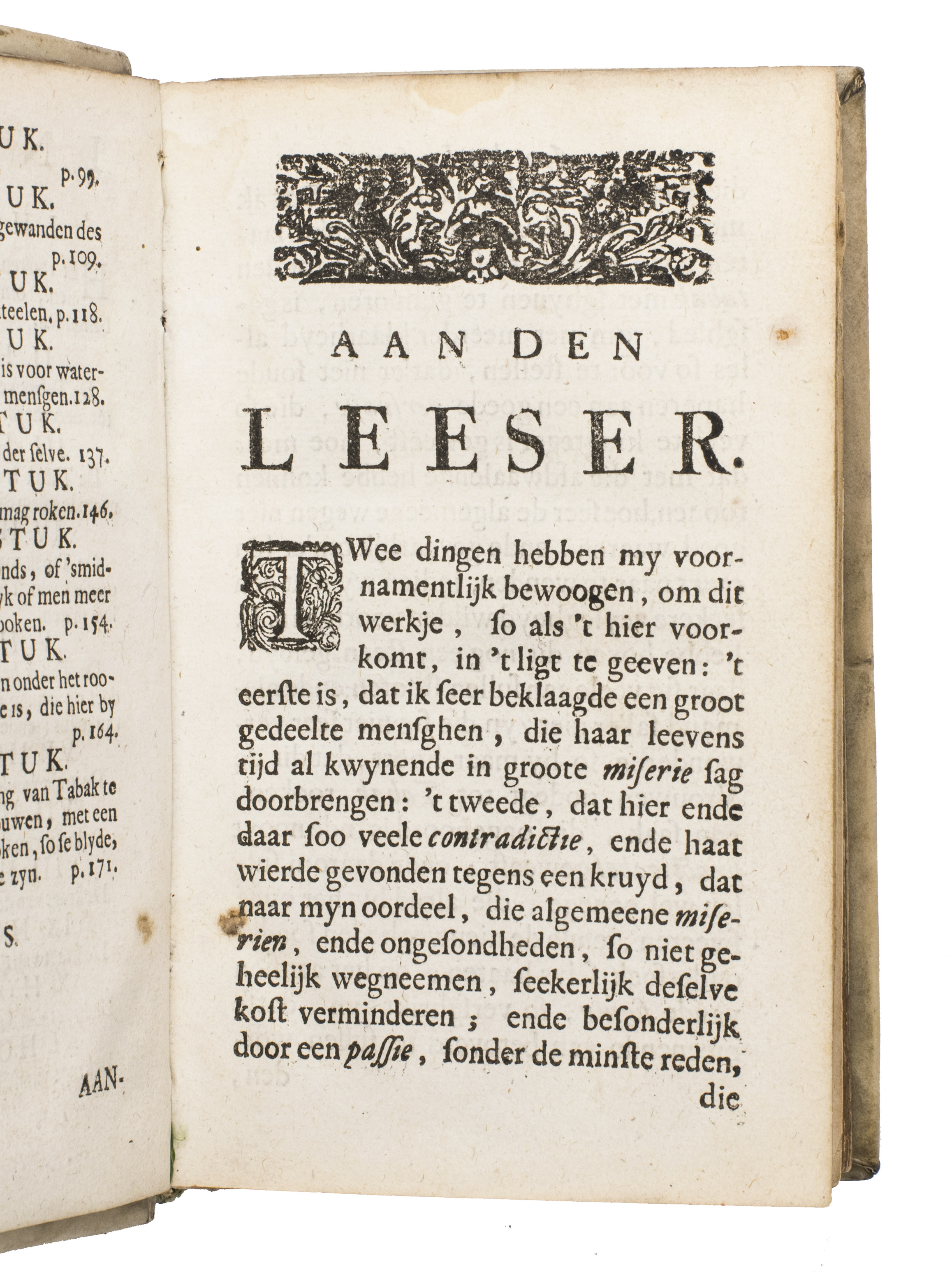
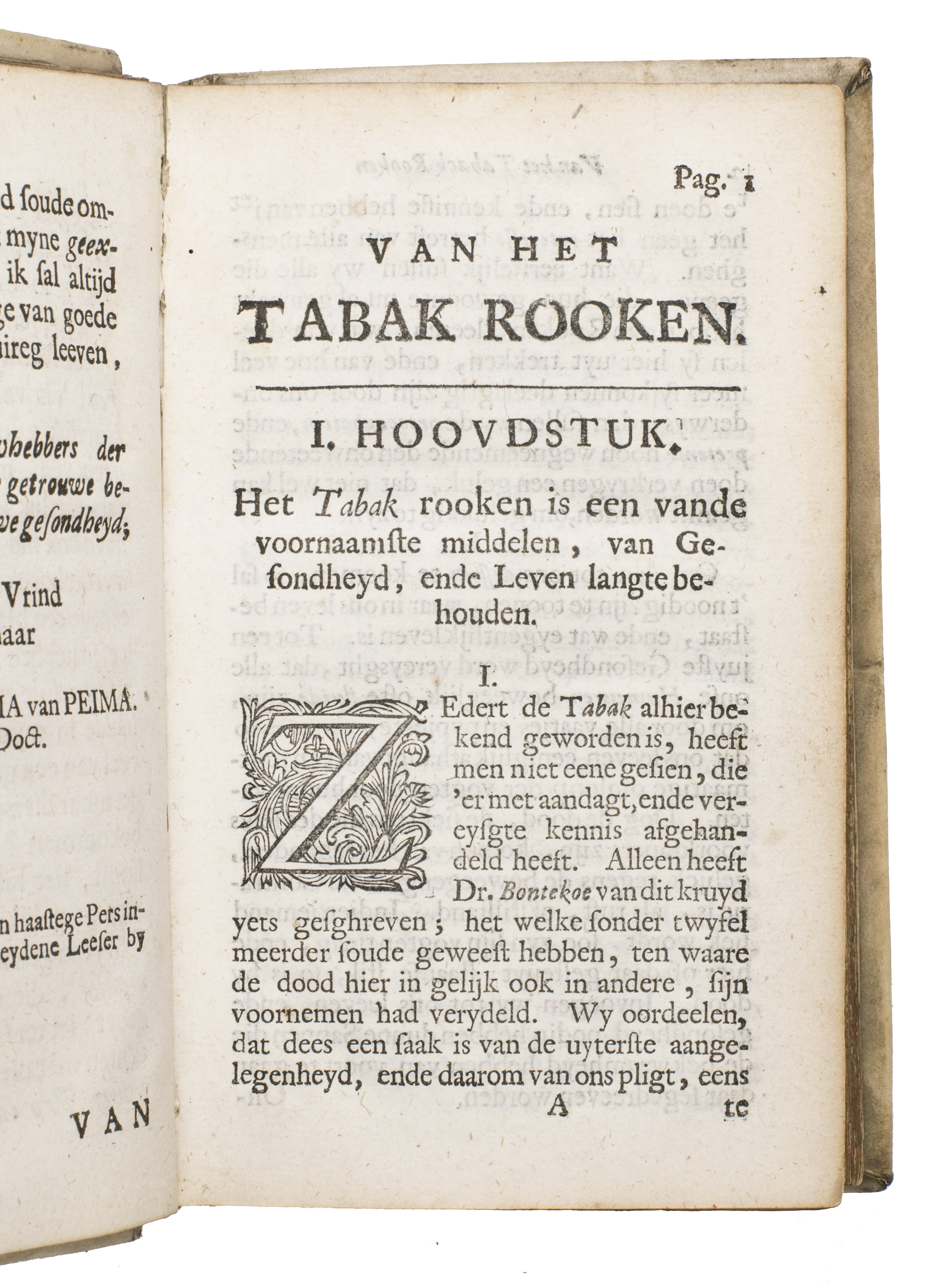
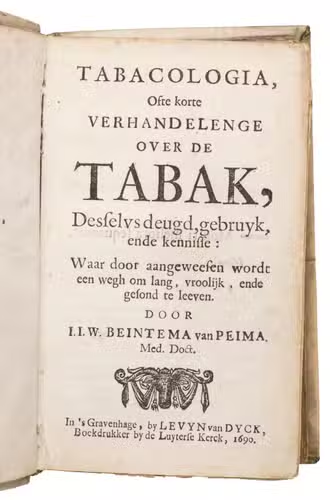
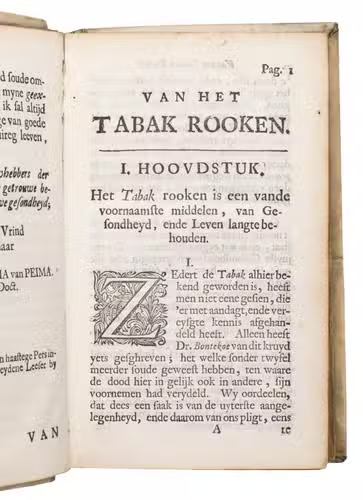
With: (2) BEINTEMA VAN PEIMA, Joannes Ignatius Worp. Tabacologia, ofte korte verhandelenge over de tabak, desselvs deugd, gebruyk, ende kennisse: waar door aangeweesen wordt een wegh om lang, vroolijk, ende gesond te leeven.
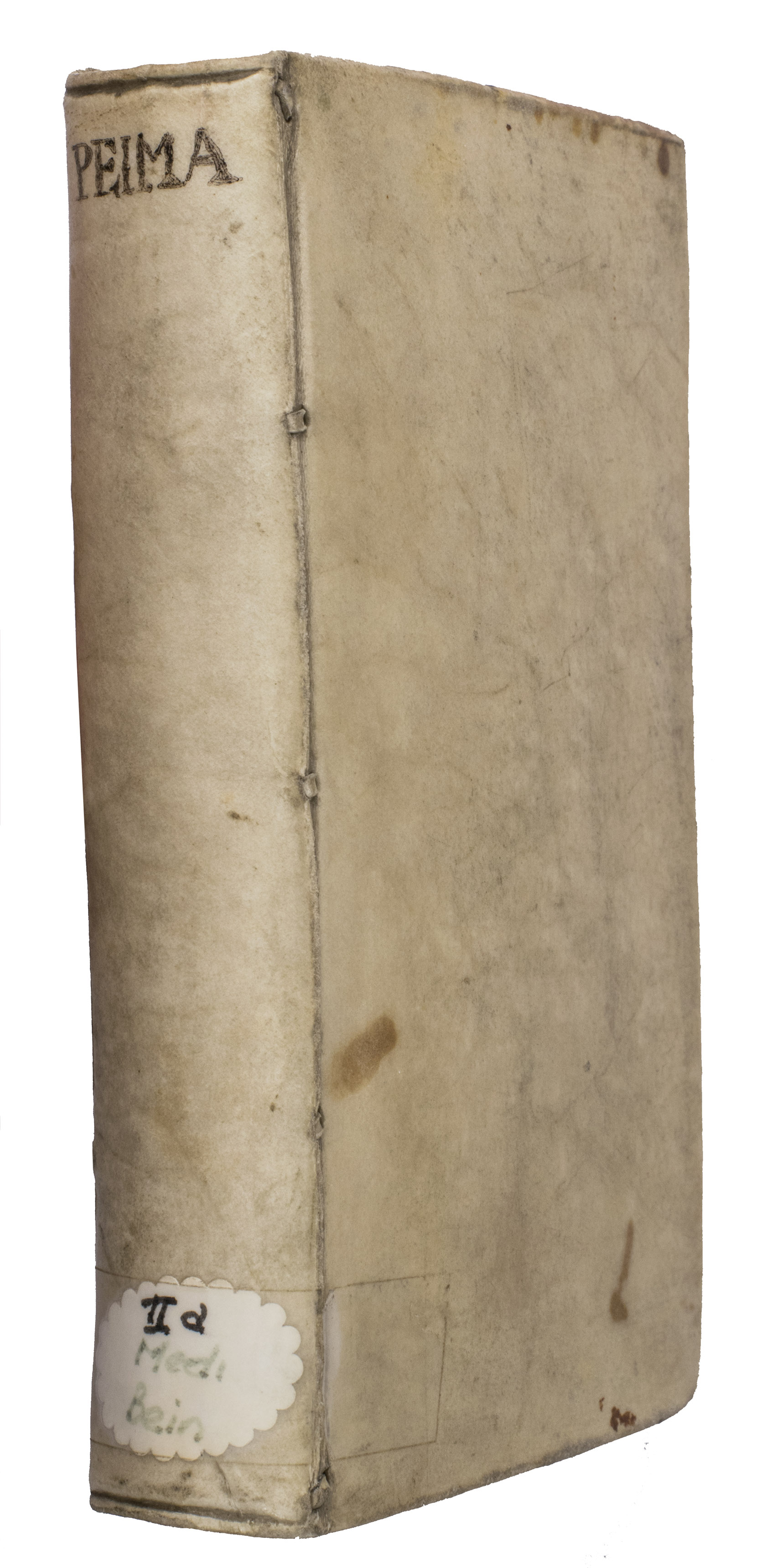
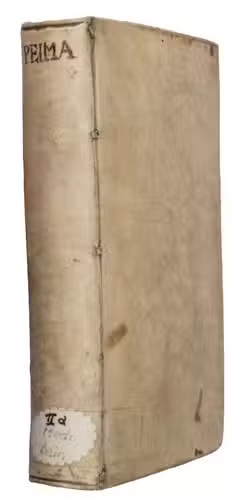
The Hague, Levijn van Dijck, 1690. 2 works in 1 volume. 8vo. With an ornament on the title page. Contemporary vellum, sewn on 3 supports laced through the joints, the manuscript author on the spine. [18], 181, [1 blank]; [12 (of 16)], 175, [1 blank] pp.
€ 7,500
Ad 1: Very rare first edition of an extensive treatise on leprosy, also called the Asian illness, by the resident physician of Deshima, Willem ten Rhyne (Deventer ca. 1647 - Batavia 1700). The work is divided into 7 chapters. The first discusses the various types of leprosy and their mutual differences, the second its signs and symptoms and the third and fourth the (main) causes of the illness. The fifth chapter discusses precautionary measures and how to deal with the illness once you are infected. In the sixth chapter Ten Rhyne quotes other authors who (briefly) wrote about leprosy. The last chapter covers recuperation.
Willem ten Rhyne was a Dutch doctor and botanist employed by the Dutch East India Company. He was an alumnus of the University of Leiden where he took his M.D. degree in 1668. He also studied in Deventer and Franeker and later travelled to France, where he received the degree of MD at Angers in 1670. ''On his return [from France] Ten Rhyne was appointed physician to the Dutch East India Company. He sailed on the ship Ternate. After his arrival in Japan [in 1673-1674] he is said to have been consulted by the Japanese emperor, who was very ill, but recovered. Ten Rhyne returned to Java, where he passed the rest of his life engaged in botanical and medical studies." (Lindeboom, Dutch medical biography).
Ten Rhyne was "the first Deshima doctor to describe the medicine and culture of Japan to the West. There had been brief notes on the unique practices of Kampô in the letters of the Jesuits. He was as well the first physician with a full university education in medicine to come to Deshima, and his studies and publications indicate that he was dedicated to scholarship." (Bowers).
Besides writing this pioneer work on leprosy, Ten Rhyne was the first scholar to introduce knowledge of acupuncture and moxibustion to Europe in his Dissertatio de Arthritide (London 1683), the earliest important Western report on acupuncture. He also wrote the first detailed study of tea and an account of the Cape of Good Hope and the Khoikhoi (called Hottentots by Europeans at that time) during the early days of Dutch settlement in the Cape.
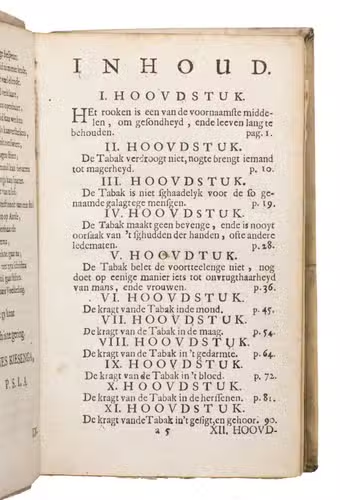
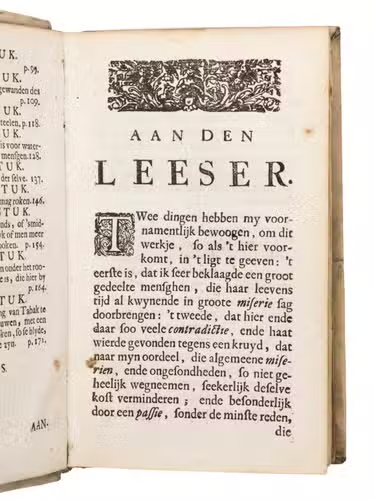
Ad 2: First edition of a treatise on tobacco, discussing its virtues, uses and characteristics, by Johannes Ignatius Worp Beintema van Peima (1666-1714), professor of medicine. In the preface, the author remarks that by the proper use of tobacco one may enjoy a long, gay and healthy life. He had, he says, two reasons for composing this treatise: his sympathy for unhappy people and his desire to alleviate their distress by teaching them the proper use of a herb about which there has been much contradiction and enmity. He foresees that he will be censured for advising women to smoke, for this is an unheard of thing and one which has never been considered practicable. He concludes with the thought that everyone should smoke in order to be happy. Tobacco is one of God's herbs; it induces tranquility of mind in lonely or unhappy moods.
From the collection of Georg A. Brongers, author of Nicotiana tabacum: the history of tobacco and tobacco smoking in the Netherlands and curator of the Niemeyer Nederlands Tabacologisch Museum, with his manuscript entry on front pastedown. Ad. 2 lacks the blank leaf and the engraved frontispiece (a2). Ad 1 is in very good condition. Ad 1: BMN I, p. 227; Bowers, Western medical pioneers in feudal Japan (1971), p. 31; Broes van Dort, Historische studie over lepra (1898), pp. 1-21; Hesselink, "333 years of Dutch publication on Japan: 1566-1899", p. 6, no. 12, in T. Arisaka (ed.): Nihou yogakushi no kenkyo (studies in de geschiedenis van de westerse wetenschappen in Japan vol 9 (Osaka, Sogensha, 1989); Krivatsy 9605; Landwehr & V.d. Krogt, VOC 834; Lu and Needham, Celestial lancets: a history and rationale of acupuncture and moxa (2001), pp. 37 & 271; Otterspeer, Leiden oriental connections 1850-1940 (1989), p. 358; KVK (1 copy); STCN 101419759 (2 copies); USTC 1827494 (2 copies, same as STCN); cf. Garrison & Morton 6374.10; Tiele, Bibl. 920; not in Alt-Japan-Katalog; Cordier, Japonica; Nipponalia; Norman Library; ad 2: Arents 407; Brongers, pp. 28 & 263; STCN 081555814 (3 copies); USTC 1823365 (4 copies, incl. 3 also in STCN).
Related Subjects: